
A Historic Neighborhood Experiencing a New Chapter
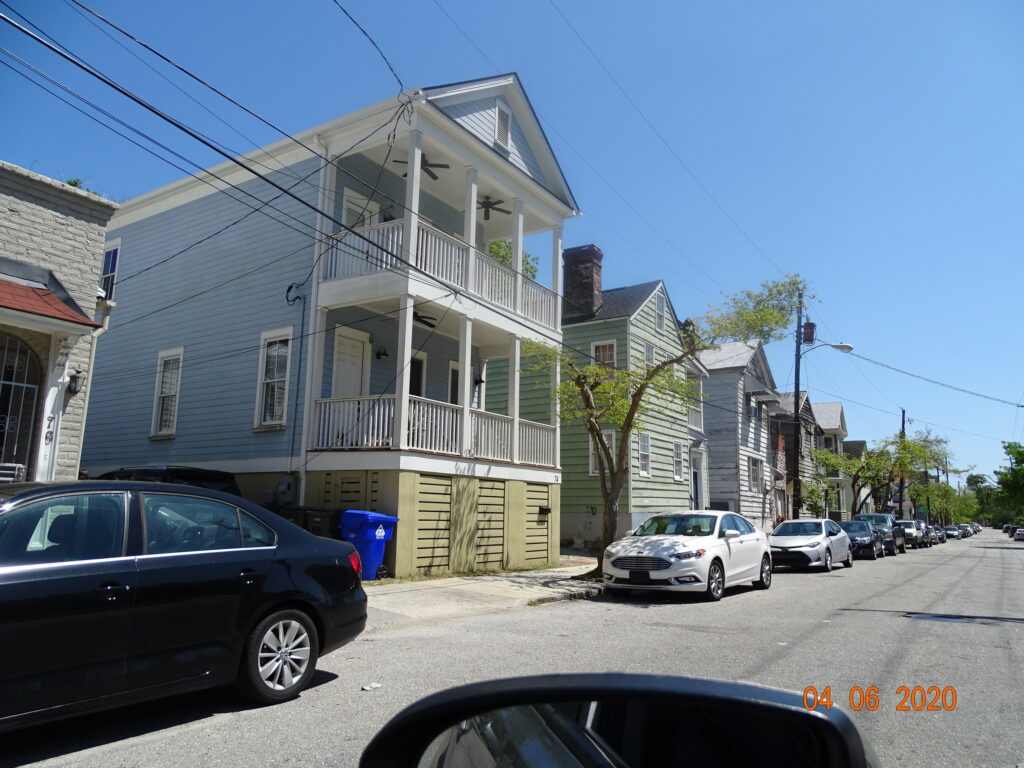
The Eastside neighborhood in Charleston SC sits along the eastern edge of the Charleston peninsula, where centuries of history meet a wave of new growth, restoration, and investment. For decades, the area carried a reputation shaped by challenges during the early and mid-20th century. However, the Eastside has changed dramatically in recent years. Today, the neighborhood reflects progress, resilience, and renewed interest from residents, business owners, and preservation groups.
Although the Eastside once struggled with crime, disinvestment, and deterioration—especially during the post-Civil War era—it has now entered a period of meaningful transformation. The neighborhood offers a combination of history, cultural depth, community pride, and increasing opportunity. As improvements continue, the Eastside draws a wider range of homeowners, investors, and artisans who see potential in its location, affordability, and historic roots.
Eastside Homes For Sale




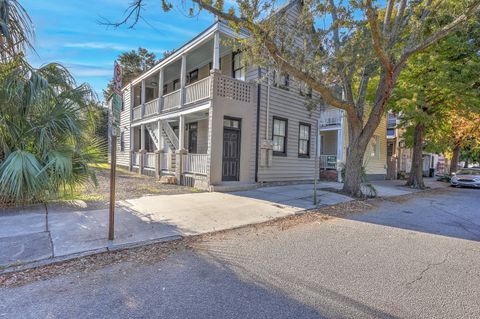
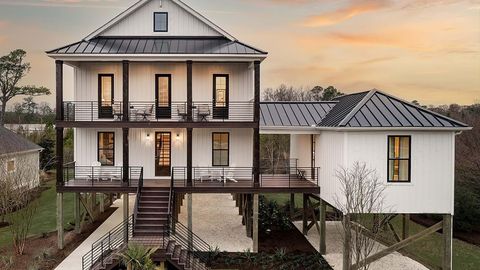

A Look Back at Eastside’s Origins
To understand the Eastside today, it helps to look at how the community began. In 1789, city leaders planned a new suburb known as Hampstead Village. Designed to attract wealthy residents from the lower peninsula, the development aimed to offer a quieter and more open environment that still sat close to Charleston’s economic and social center.
Although Hampstead Village did not become the upper-class residential district its founders envisioned, it developed into a thriving working-class neighborhood. The grid layout, the size of the original lots, and several early structures still echo those first plans.
Architectural Heritage
Even though the Eastside has changed significantly over the years, several historic buildings remain. One of the most notable is The Faber House, an impressive 1836 Palladian villa that now serves as an office building. Positioned at 635 East Bay Street, the structure features giant Ionic columns, symmetrical detailing, and a domed cupola—elements that make it one of Charleston’s most visually memorable properties.
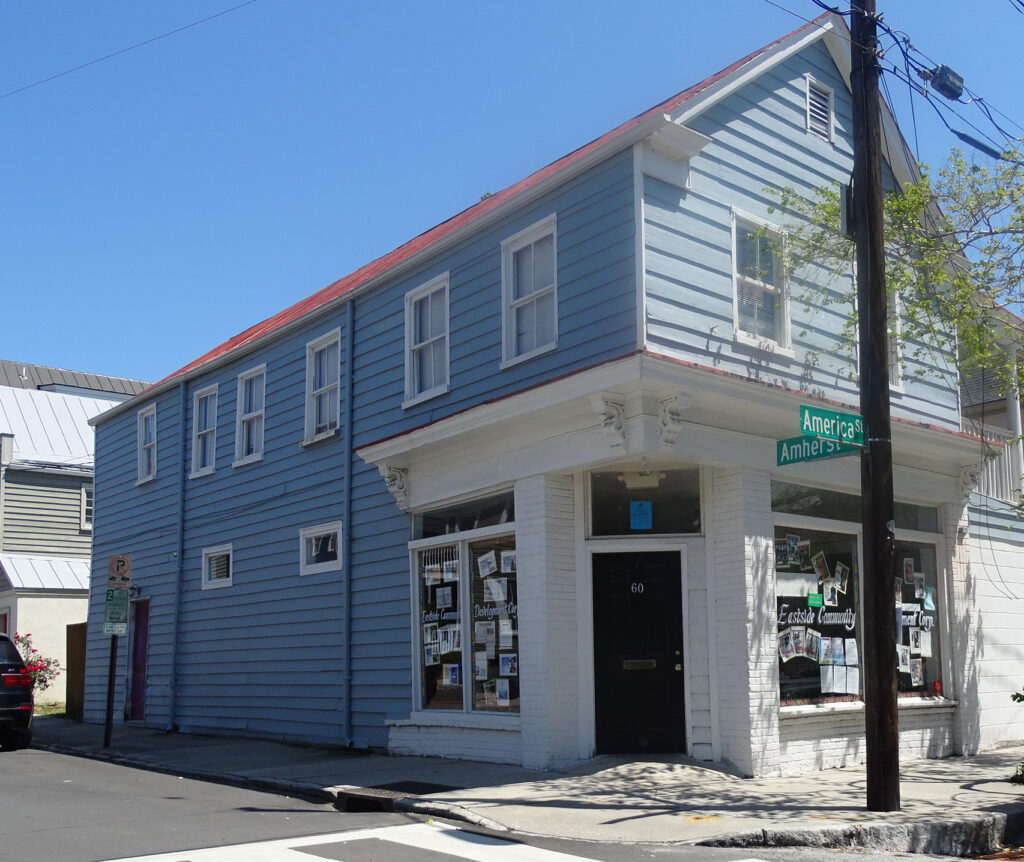
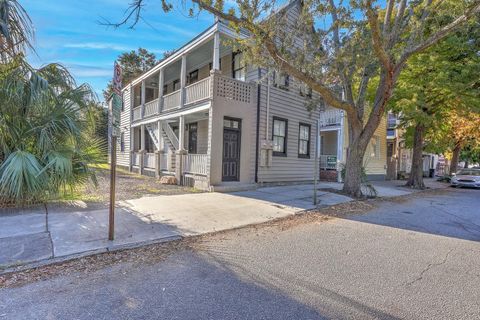
In addition to the Faber House, the Eastside includes smaller historic homes built by artisans, craftsmen, and free African-American residents who contributed greatly to Charleston’s architectural legacy. Many of the city’s well-known historic structures—including churches, homes, and public buildings—owe their craftsmanship to Eastside residents from the 18th and 19th centuries.
A Working-Class Community
Throughout the 1800s, the Eastside (still called Hampstead Village at the time) became home to carpenters, ironsmiths, merchants, tailors, and wholesalers. The neighborhood also held one of the largest populations of free African Americans in the South—more than 3,000 before the Civil War. Their skills helped shape Charleston’s identity, and their craftsmanship continues to influence the city’s architectural character.
Unfortunately, after the Civil War, Charleston faced severe economic decline, and the Eastside community endured those hardships for generations. Housing deteriorated, businesses closed, and the area struggled to recover. These challenges continued through the 20th century, but the story began to shift as preservation efforts, public attention, and private investment increased.
Historical Home Prices In Eastside
Eastside Today: A Neighborhood on the Rise
The modern Eastside in Charleston SC is a dramatically different community than it was even two decades ago. The neighborhood is now gaining energy as new homes appear, historic buildings undergo restoration, and local businesses open with confidence. The result is an area that feels forward-looking while staying deeply rooted in its rich history.
A Diverse, Engaged Community
The Eastside includes residents from many backgrounds, cultures, and income levels. Longtime families share the neighborhood with newcomers who see opportunity in its location and potential. This blend of generations and cultures gives the Eastside a distinctive personality. People often describe it as a neighborhood with heart—one that values connection and authenticity.
An Area Attracting Creative and Professional Talent
Thanks to the availability of early-20th-century homes and the area’s relative affordability compared to other downtown neighborhoods, the Eastside has attracted:
- Young professionals
- Families
- Craftsmen and artisans
- Students from local colleges
- Investors and renovators
- Entrepreneurs opening new shops and services
Because Charleston’s demand for housing continues to grow, especially near the peninsula’s business and cultural districts, the Eastside appeals to buyers seeking a convenient location without the prices found in nearby historic neighborhoods.
Influence of Local Colleges and Institutions
Affordable student housing also contributes to increased demand. Students attending the College of Charleston, Charleston Southern University, and the Medical University of South Carolina (MUSC) regularly search for reasonably priced homes close to downtown. As a result, the Eastside’s rental and owner-occupied markets have both strengthened.
A New Era of Investment
Recent years have brought:
- Renovated historic homes
- New construction infill
- Small businesses and cafés
- Streetscape improvements
- Enhanced preservation efforts
- Increased community engagement
These changes move the Eastside closer to long-term revitalization, shaping a more stable future while honoring the neighborhood’s long and influential past.
The Future of Eastside Charleston
While the Eastside continues to change, many residents believe that its greatest strengths lie in its diversity, history, and sense of possibility. Longtime residents remain a vital part of the community, while newcomers bring fresh ideas and energy.
Many see the Eastside as a neighborhood at a turning point—one where investment and cultural pride help create a bright future. The area provides rare opportunities for buyers who want a blend of history, character, and affordability on the Charleston peninsula.
Real Estate in the Eastside
Buyers exploring Eastside Charleston SC will find a wide variety of housing options, including:
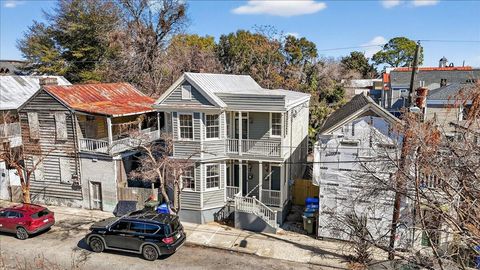
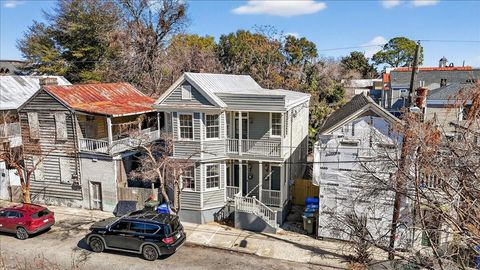
- Early-20th-century single-family homes
- Restored cottages
- Historically inspired new construction
- Updated residences with modern touches
- Investment properties
- Multi-unit buildings
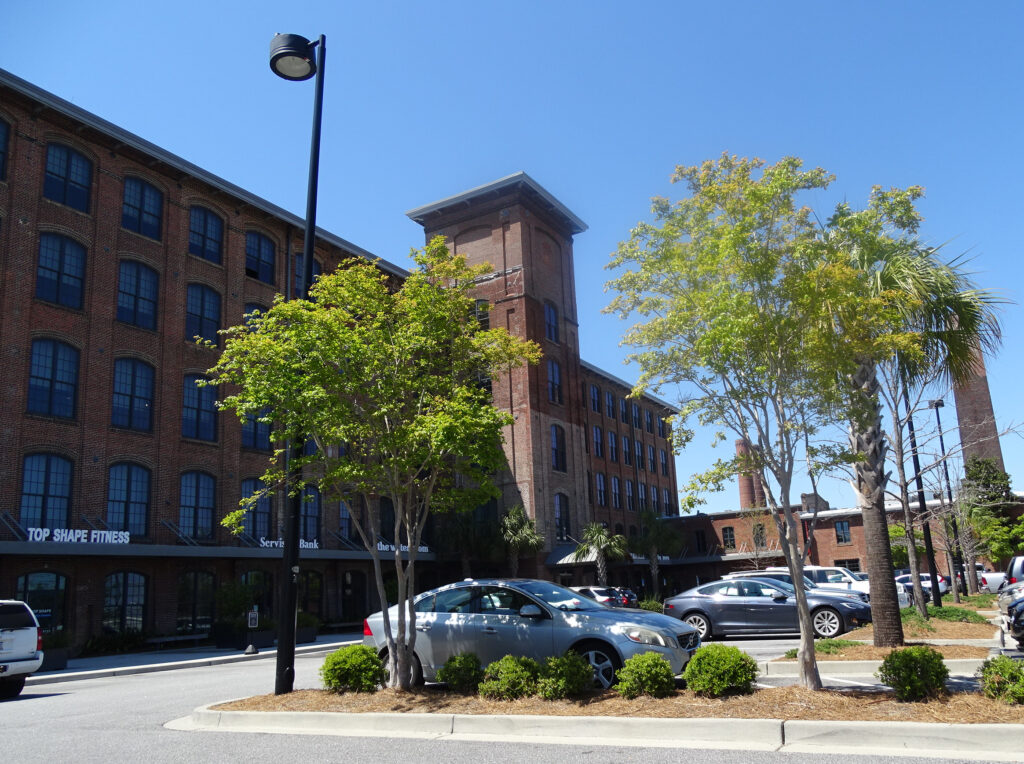
- Former industrial and commercial properties repurposed for residential use
Because the neighborhood continues to grow, home availability and pricing shift frequently. Many buyers appreciate the opportunity to create value by restoring older homes or investing in properties that hold long-term potential.
For those who want to be near downtown Charleston’s restaurants, events, and institutions, the Eastside provides an appealing balance of history, affordability, and access.
Is the Eastside Right for You?
If you appreciate history and want to experience a neighborhood moving confidently into its next chapter, the Eastside may be a strong match. The area continues to attract residents who see value in its character, diversity, and long-term potential. With guidance from a knowledgeable real estate professional, you can explore the Eastside safely and confidently while identifying opportunities that match your goals.
👉 Go Back To Read About The Other 11 Boroughs in Historic Charleston
Eastside Frequently Asked Questions
The Eastside is known for its deep history, revitalization, cultural diversity, and early-20th-century homes. It continues to evolve with new investment and preservation efforts.
The Eastside sits on the eastern side of the Charleston peninsula, bordered by East Bay Street, Meeting Street, and the surrounding historic districts.
Yes. The neighborhood originated as Hampstead Village in 1789 and includes historic homes and buildings such as the Faber House.
Buyers will find cottages, restored homes, infill construction, investment properties, and structures with historic character.
Affordability, location, investment activity, and increased preservation have encouraged more buyers and developers to consider the Eastside.
Authors
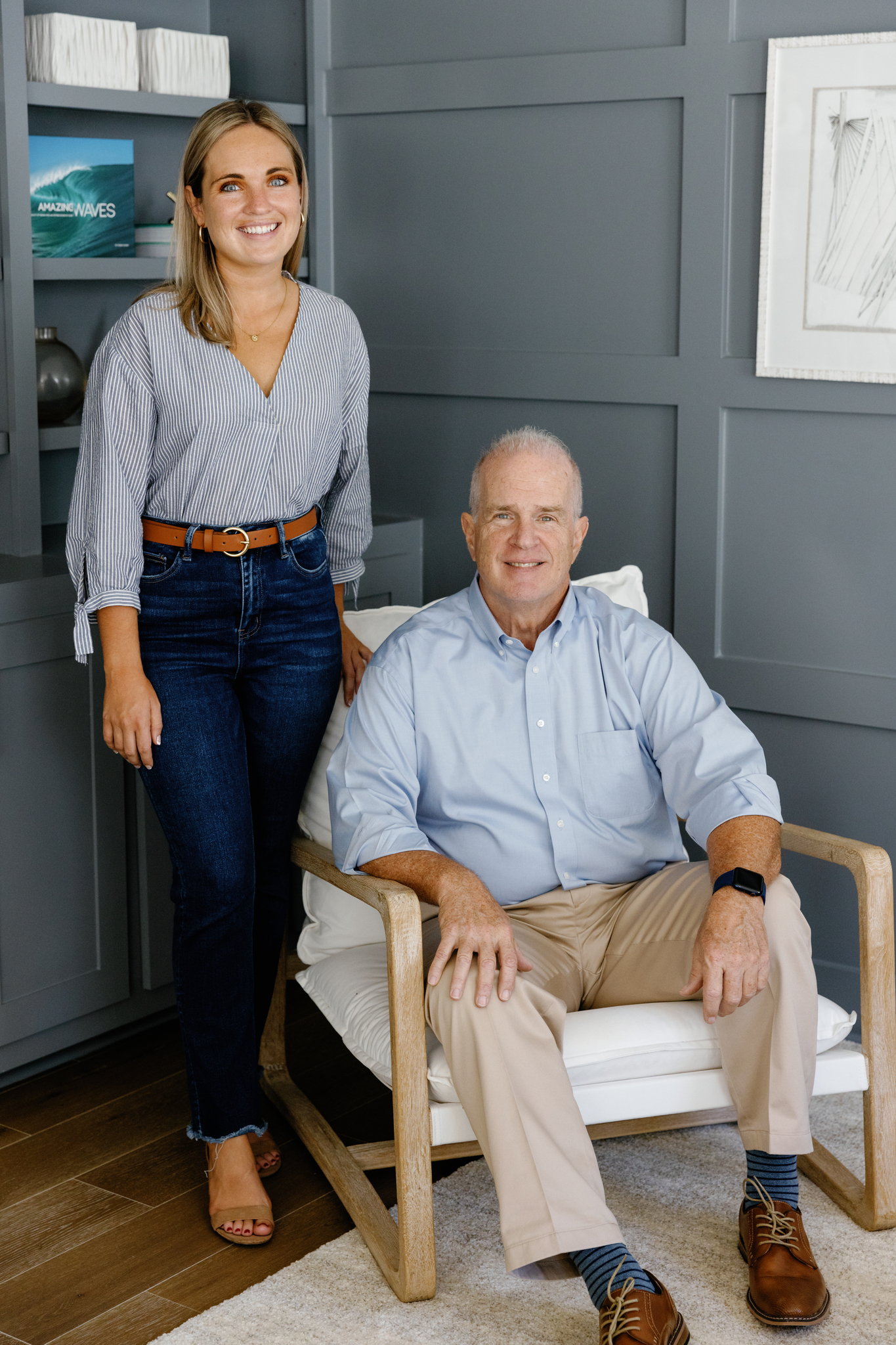
Bill Byrd and Waverly Byrd bring deep real estate expertise to clients throughout the Charleston area, drawing on years of hands-on experience with residential sales, investment property, relocation, and local market strategy. Their guidance is grounded in market knowledge, careful analysis, and a commitment to helping clients make well-informed real estate decisions.
As a father-and-daughter team, they work collaboratively on every transaction, combining experience, perspective, and consistent communication. Clients benefit from a coordinated approach that emphasizes preparation, clarity, and thoughtful execution at each stage of the buying or selling process across the Lowcountry.