
A Historic Neighborhood Rooted in Legacy, Education, and Downtown Energy
Radcliffeborough is one of the most historically meaningful and culturally active neighborhoods on the Charleston peninsula. Situated in the heart of Historic Charleston, the area blends early-19th-century charm with the daily rhythm of nearby universities, medical institutions, and downtown businesses. Although the neighborhood is compact—covering only eight blocks—it holds a rich story shaped by prominent early residents, long-standing religious institutions, and generations of Charleston families.
Because Radcliffeborough sits near the Medical University of South Carolina (MUSC) and the College of Charleston, it remains one of the city’s most dynamic areas. Students, professors, medical professionals, and long-term residents all contribute to the neighborhood’s energy. Even with its accessibility to major Charleston destinations, Radcliffeborough continues to maintain its distinct architectural identity and historic character.
Homes For Sale in Radcliffeborough
Early Roots: How Radcliffeborough Began
The story of Radcliffeborough begins with Thomas Radcliffe, a planter and landowner who first developed the area. After his death, his widow Lucretia Radcliffe continued the project, shaping the neighborhood’s early layout and contributing to its growth. Her influence remains visible today, not only in the development pattern but also through her philanthropic support for the Church of St. Paul’s.
A Community Built by Merchants, Craftsmen, and Planters
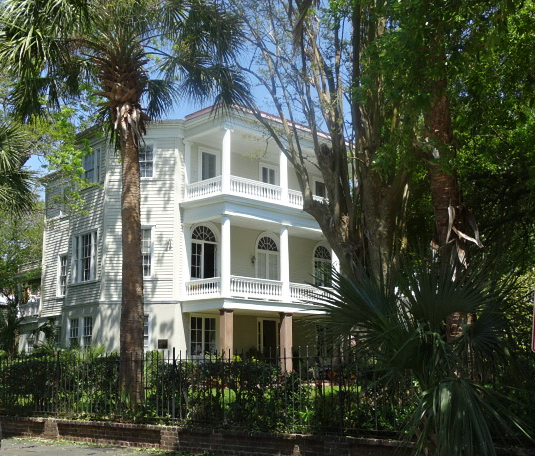
In its early years, Radcliffeborough became home to an impressive mix of affluent merchants and skilled mechanics—two groups essential to Charleston’s economy in the 18th and 19th centuries. Many of these families played key roles in trade, manufacturing, and the emerging rice economy. Their homes reflected both their prosperity and the architectural tastes of the era.
The neighborhood also attracted prosperous rice planters seeking residences in what was then considered “uptown” Charleston. As a result, Radcliffeborough developed into an enclave known for its stately structures, well-built homes, and active civic life.
The Church of St. Paul’s: A Landmark on Donated Land
One of the most notable contributions made by Lucretia Radcliffe was her donation of land for the Church of St. Paul’s, located within the neighborhood. The church quickly became an important place of worship for many of the wealthy families living in Radcliffeborough and surrounding areas. Its congregation included several prominent rice planters and influential Charleston citizens.
The church’s architecture, community presence, and historical significance continue to provide Radcliffeborough with a strong sense of identity. For residents today, St. Paul’s remains a visual and cultural anchor in the neighborhood.
Radcliffeborough’s Early Architecture
The first homes in Radcliffeborough reflected the traditional styles common in Charleston during the late 18th and early 19th centuries. These included:
- Plantation-style homes with broad layouts and symmetrical designs
- Charleston Single Houses, a defining architectural style of the region
- Cottages that blended craftsmanship with functionality
These structures helped give Radcliffeborough its distinctive character—one defined by period architecture, intimate streets, and a residential feeling that persists today.
While many of the original properties remain, updated homes and tastefully restored buildings now offer a mix of historic integrity and modern comfort. Buyers enjoy access to a wide range of architectural options while still benefiting from Radcliffeborough’s heritage-filled environment.
Where Radcliffeborough Sits on the Charleston Peninsula
The neighborhood’s boundaries place it in a prime section of downtown Charleston. Radcliffeborough is bordered by:
- Morris Street to the west
- Saint Philip Street to the north
- Calhoun Street to the east
- Rutledge Avenue to the south
This central location gives residents proximity to Charleston’s academic, medical, and cultural centers. Although Fair Housing rules prevent describing ease-of-movement or neighborhood access using restricted terms, Radcliffeborough clearly benefits from its position near major institutions, parks, shops, and Historic Charleston attractions.
Radcliffeborough Today: A Neighborhood Full of Life
Modern Radcliffeborough balances its rich history with the vibrancy of a contemporary downtown community. The presence of the Medical University of South Carolina, the College of Charleston, and nearby business districts creates steady activity throughout the area. Students, faculty, medical staff, and young professionals make up a significant portion of the population, contributing to a lively daily atmosphere.
Why Radcliffeborough Remains Appealing

Residents appreciate Radcliffeborough for several reasons:
- Its historic architecture
- Its cultural depth
- Its proximity to academic and medical institutions
- Its residential feel within downtown Charleston
- Its variety of home styles and pricing options
Compared to other areas of Historic Charleston, Radcliffeborough sometimes offers more accessible price points, especially for students and academic professionals seeking nearby housing.
Radcliffeborough and Cannonborough: Connected but Distinct
To the west of Radcliffeborough lies Cannonborough, another early Charleston suburb that extends toward the Ashley River. Cannonborough originated on land owned by David Cannon, a lumber mill operator and “mechanick” whose family played an important role in the neighborhood’s early development.
Cannonborough’s Early Growth
Wealthy planters and merchants built substantial villas throughout Cannonborough, contributing to its architectural wealth. Over time, the area evolved significantly. The low, marshy terrain required extensive infill for street and home construction—especially after the Civil War, when Charleston expanded outward and the demand for middle- and working-class housing increased.
Present-Day Cannonborough
Today, much of old Cannonborough is home to the Charleston Hospital District and a portion of the MUSC campus. The expansion of medical facilities reshaped the area, introducing new infrastructure, academic buildings, and healthcare-related institutions.
Radcliffeborough and Cannonborough maintain distinct identities, yet their shared history and close location connect them in meaningful ways.
Radcliffeborough Real Estate Overview
Real estate in Radcliffeborough features a blend of historic residences and updated homes suited to modern living. Buyers exploring the neighborhood will encounter:
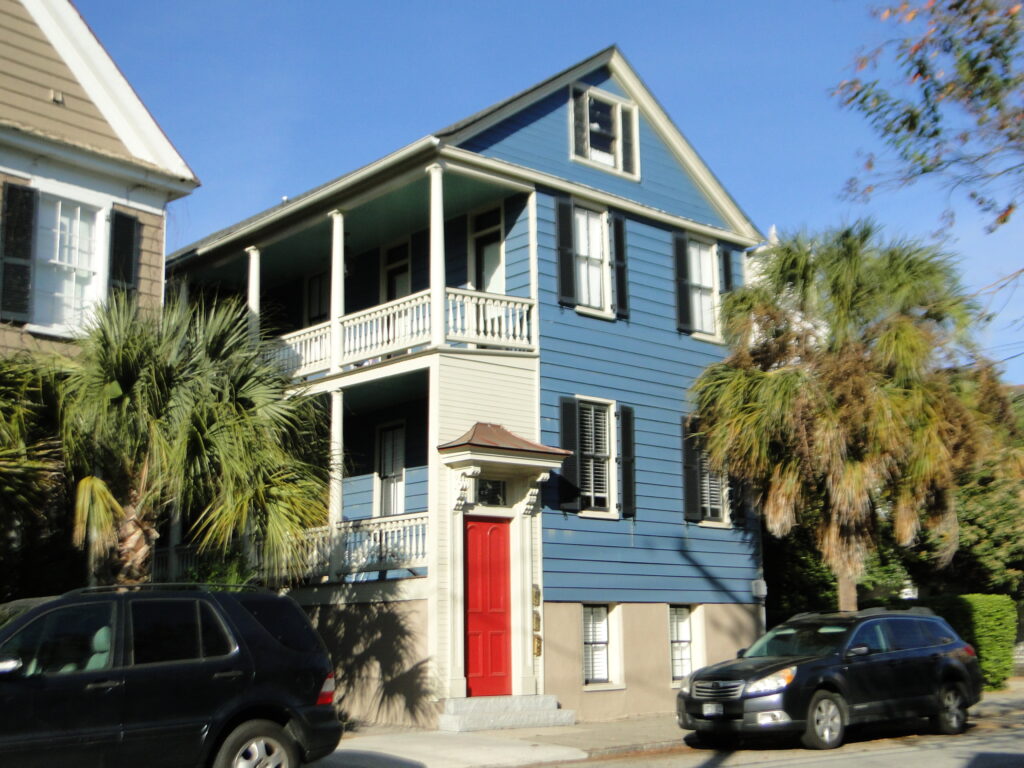
- Restored Charleston Single Houses
- Updated cottages
- Historically significant residences
- Larger multi-story period homes
- Student-oriented rentals
- Investment properties tied to MUSC or the College of Charleston
Because of the neighborhood’s strong ties to academic and medical institutions, demand stays steady. Properties often attract:
- Students
- Professors
- Medical staff
- Young professionals
- Long-term Charleston residents
Buyers appreciate that Radcliffeborough offers architectural charm, centrality to major institutions, and a lifestyle connected to Historic Charleston without the premium associated with select southern peninsula districts.
Lifestyle in Radcliffeborough
Life in Radcliffeborough Charleston SC offers a blend of history, activity, and downtown convenience. Residents enjoy a neighborhood that feels established yet energetic, thanks in part to its connection to nearby schools and hospitals.
You’ll see:
- Students heading toward the College or MUSC
- Residents spending time in nearby parks
- Locals exploring Historic Charleston’s attractions
- Daily activity tied to the medical and academic sectors
The neighborhood’s architectural heritage, combined with its modern momentum, makes Radcliffeborough an appealing choice for those seeking an “in-town” experience on the peninsula.
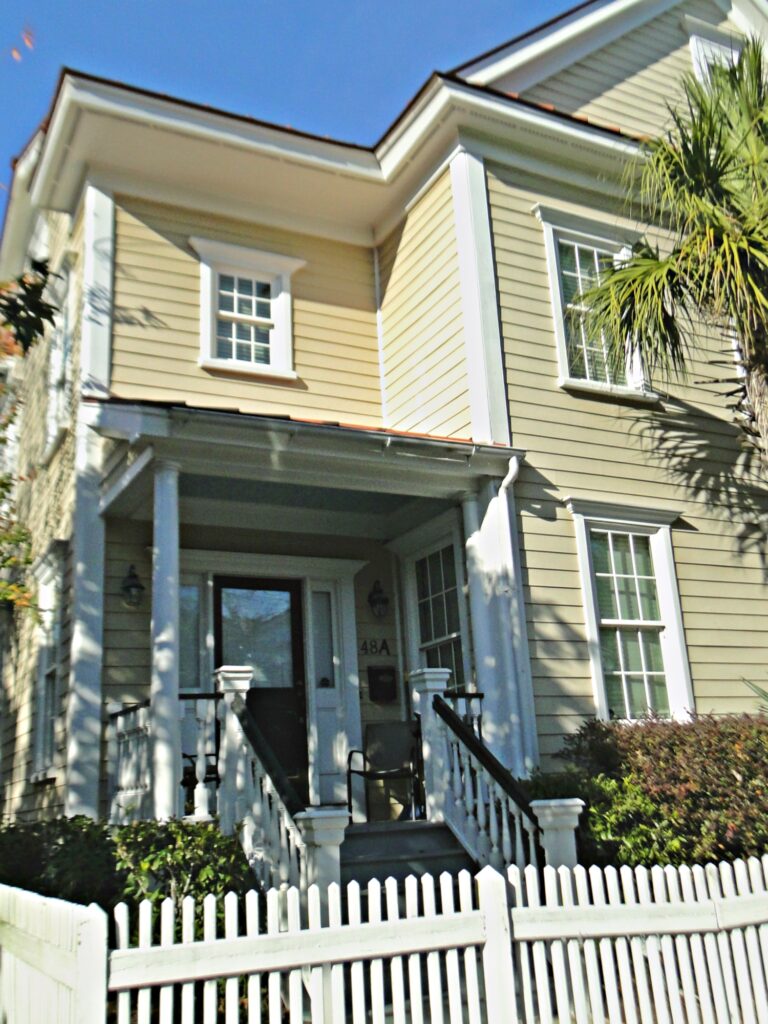
Is Radcliffeborough Right for You?
If you value historic architecture, proximity to Charleston’s cultural resources, and a lively atmosphere shaped by education and healthcare institutions, Radcliffeborough may be an excellent fit. Buyers who want a home in Historic Charleston but prefer a slightly more accessible price range often consider this neighborhood.
With guidance from a knowledgeable real estate advisor, you can explore available homes and find a residence that fits your goals while connecting with a neighborhood full of history and present-day energy.
👉 Go Back To Read About The Other 11 Boroughs in Historic Charleston
Frequently Asked Questions: Radcliffeborough Charleston SC
Radcliffeborough is known for its historic homes, ties to the Radcliffe family, the Church of St. Paul’s, and proximity to MUSC and the College of Charleston.
Yes. Many homes date back to the 19th century, and the area played a notable role in Charleston’s early suburban development.
Buyers will find Charleston Singles, cottages, historic homes, and updated residences suited for students, professionals, and long-term residents.
The neighborhood sits between Morris Street, Saint Philip Street, Calhoun Street, and Rutledge Avenue on the Charleston peninsula.
Residents include students, professors, medical professionals, and families who value the neighborhood’s location and historic character.

Authors
Bill Byrd and Waverly Byrd bring deep real estate expertise to clients throughout the Charleston area, drawing on years of hands-on experience with residential sales, investment property, relocation, and local market strategy. Their guidance is grounded in market knowledge, careful analysis, and a commitment to helping clients make well-informed real estate decisions.
As a father-and-daughter team, they work collaboratively on every transaction, combining experience, perspective, and consistent communication. Clients benefit from a coordinated approach that emphasizes preparation, clarity, and thoughtful execution at each stage of the buying or selling process across the Lowcountry.