
A Practical, Cost-Effective Guide to Making the Right First Impression
When staging your home for success, it’s important to remember one simple truth: your home has just one chance to make a great first impression. The good news is that with the right guidance, that impression can be powerful, positive, and profitable.
Staging is not about perfection or expensive renovations. Instead, it is about presenting your home in its best possible light so buyers can clearly imagine themselves living there. When done correctly, staging highlights your home’s strengths, minimizes distractions, and helps buyers emotionally connect with the space.
At Byrd Property Group, we guide sellers through this process every day. With thoughtful preparation and a clear plan, staging your home for success can feel manageable—and even rewarding.
What Staging Really Means (and Why It Matters)
Staging is the process of creating a clean, spacious, and clutter-free environment that allows buyers to focus on the home itself rather than the belongings inside it. In other words, the goal is to make your home feel like a place someone would want to buy again.
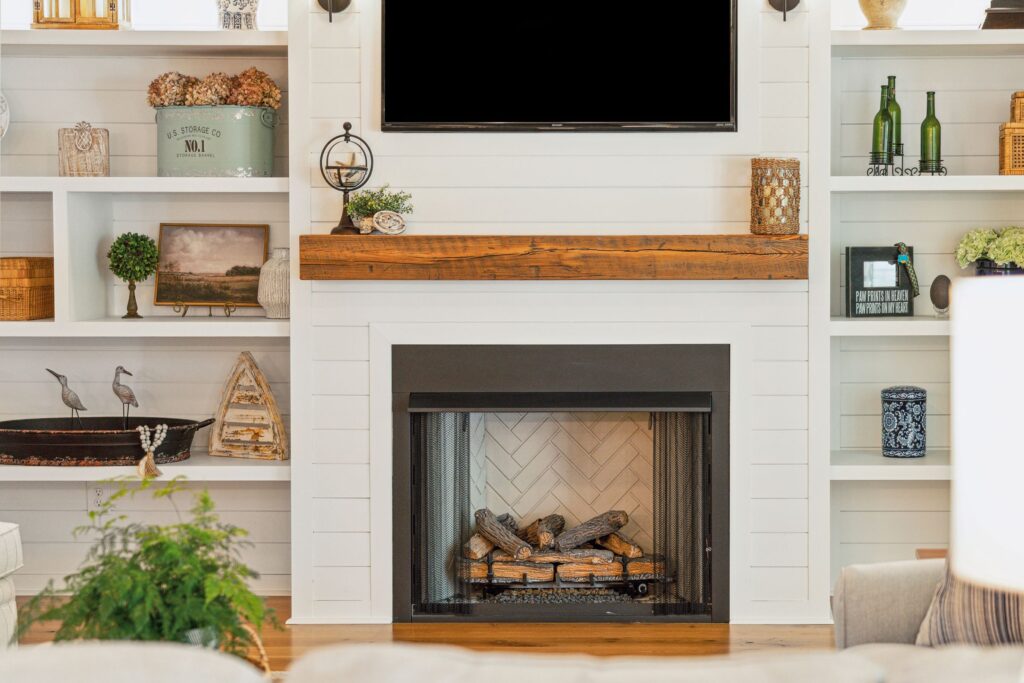
Most buyers form opinions quickly. Often, those opinions are shaped before they ever step inside—through online photos, virtual tours, and drive-by impressions. Because of that, staging plays a critical role in both marketing and negotiation.
When a home shows well:
- It attracts more interest
- It photographs better
- It creates stronger emotional responses
- It often receives better offers
Most sellers are not planning major renovations before listing. That reality makes staging even more important. The right staging strategy allows you to maximize value using time, effort, and cost-efficient improvements, rather than expensive upgrades.
How Staging Pays Off
Staging your home for success typically pays off in two meaningful ways:
1. Your Home Can Sell for More Money
A well-staged home often feels move-in ready, even when no major updates have been made. Buyers are more likely to see value and less likely to focus on cosmetic shortcomings.

2. Your Home Can Sell in Less Time
Homes that show well tend to attract serious buyers sooner. Fewer days on the market often leads to stronger negotiating positions and less stress for sellers.
Start by Seeing What Buyers See
One helpful exercise is to look at how other homes in your area are being presented. You can do this by browsing active listings in your neighborhood. This gives you insight into current expectations and presentation standards.
Exterior Staging Tips: Creating Curb Appeal That Works
The exterior of your home sets the tone for everything that follows. Buyers often decide how they feel about a property before they walk through the front door.
Focus on creating a clean, well-maintained, and welcoming exterior.
Yard and Grounds
- Mow the lawn regularly
- Trim shrubs and hedges
- Edge gardens and walkways
- Weed and refresh mulch
- Remove branches, toys, and debris
- Add seasonal color to bare spots with plants or flowers
Driveway, Walkways, and Outdoor Areas
- Sweep walkways and driveways
- Remove stains using appropriate cleaners or absorbent materials
- Stack woodpiles neatly
- Clean and repair patios and decks
- Remove outdoor furniture that is worn or damaged
- Ensure pools or spas are clean and sparkling
Exterior Surfaces and Details

- Remove mildew or moss from siding and walkways
- Touch up exterior paint where needed
- Repair gutters and eaves
- Replace damaged wood or bricks
- Check roof shingles for proper fit
- Repair broken windows and torn screens
- Ensure caulking around windows and doors is intact
Entryway Focus
- Paint the front door and mailbox if needed
- Add a new door mat
- Consider simple seasonal décor
- Polish door hardware and exterior lighting fixtures
- Make sure the doorbell works properly
Interior Staging Tips: Clean, Bright, and Comfortable
Inside the home, staging should help buyers easily understand how each space functions while allowing rooms to feel open and inviting.

General Interior Guidelines
- Apply a fresh coat of light, neutral paint where needed
- Shampoo carpets or replace them if necessary
- Clean and polish hardwood floors
- Wash windows, blinds, and sills
- Clean fireplaces and surrounding areas
- Repair small issues such as loose knobs, squeaky doors, or leaking faucets
- Reduce furniture to improve flow and scale
- Secure valuables during showings
Subtle, pleasant scents can be helpful, but they should never feel overwhelming.
Room-by-Room Staging Tips
Living Room
- Arrange furniture to create a welcoming conversation area
- Remove worn rugs or damaged furniture
- Keep décor simple and balanced
Dining Room
- Polish visible silver and crystal
- Set the table to help buyers imagine gatherings
- Keep surfaces clean and uncluttered
Kitchen
- Clean appliances inside and out
- Remove items from countertops to create space
- Organize cabinets and drawers
- Clean floors, baseboards, and hard-to-reach areas
- Store items you won’t need before moving
Bathrooms
- Remove rust and mildew
- Clean tile, fixtures, mirrors, and shower doors
- Replace worn caulking or grout
- Use soft but bright lighting
- Keep counters clear except for minimal accents
Primary Bedroom
- Arrange furniture to create a calm, spacious feel
- Define sleeping, dressing, and sitting areas
- Reduce personal items to create a neutral atmosphere
Garage
- Remove unnecessary items
- Clean floors and walls
- Improve lighting
- Organize tools and storage areas
- Make mechanical systems accessible for inspections
Attic
- Pre-pack unused items
- Ensure insulation and ventilation are visible
- Provide clear lighting and access
Staging Your Home for Success When It’s Time to Show
Preparation doesn’t end once your home is staged. Day-to-day showing readiness plays an important role.
Before a showing:
- Open all drapes and turn on lights
- Pick up clutter and make beds
- Vacuum carpets quickly
- Add fresh flowers where appropriate
- Open windows briefly for fresh air
- Create a subtle, welcoming aroma
- Turn off televisions and keep music low
- Secure pets or make alternative arrangements
- Empty trash and clean pet areas
These small steps help maintain the positive impression your staging created.
Helpful Resources for Sellers
For additional guidance, we recommend reading:
Suggested internal links:
- How to Prepare Your Home for a Photo Shoot
- How to Sell Your Home Faster for More Money
- Selling a Home in Charleston (cornerstone page)
- Home Value Assessment (lead capture page)
Suggested external links:
- National Association of Realtors® – Home Staging Insights
- Consumer Financial Protection Bureau – Home Selling Basics
Frequently Asked Questions About Home Staging
Not always. Many homes benefit from owner-led staging with professional guidance. We help you determine what makes sense for your situation.
In many cases, yes. A well-presented home often creates stronger buyer interest and better negotiation outcomes.
Ideally, staging should begin several weeks before listing to allow time for preparation and photography.
Vacant homes can benefit greatly from staging, especially to help buyers understand scale and function.
Entryways, kitchens, living areas, and primary bedrooms tend to have the biggest impact.
We’re Here to Help
Staging your home for success doesn’t have to feel overwhelming. With the right plan and the right guidance, it becomes a clear, step-by-step process.
If you have questions about staging your home or preparing it for sale, we invite you to reach out. Our team at Byrd Property Group is here to help you navigate every step with confidence and clarity.

Authors
Bill Byrd and Waverly Byrd bring deep real estate expertise to clients throughout the Charleston area, drawing on years of hands-on experience with residential sales, investment property, relocation, and local market strategy. Their guidance is grounded in market knowledge, careful analysis, and a commitment to helping clients make well-informed real estate decisions.
As a father-and-daughter team, they work collaboratively on every transaction, combining experience, perspective, and consistent communication. Clients benefit from a coordinated approach that emphasizes preparation, clarity, and thoughtful execution at each stage of the buying or selling process across the Lowcountry.