
Understanding the Details That Shape a Successful Land Purchase
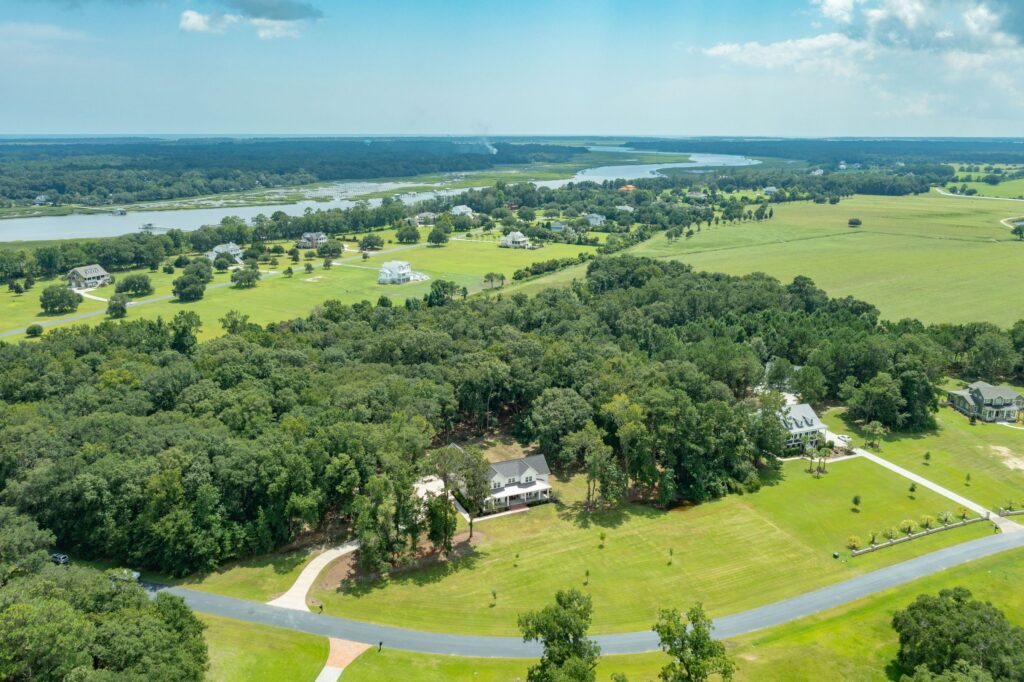
Buying land is very different from buying a home…and the offer paperwork reflects that. An Offer to Purchase Land must clearly address ownership, financing, inspections, zoning, utilities, environmental concerns, and timelines. Missing even one critical item can expose a buyer to unnecessary risk or cause a deal to fall apart.
In this guide, you’ll learn exactly what is included in an Offer to Purchase Land, why each item matters, and how a structured checklist helps protect you. Over the years, we’ve found that many buyers are unaware of how detailed a land contract needs to be. That’s why we use a 25-question checklist that mirrors the South Carolina state-approved land contract, allowing us to draft strong, clean, and defensible offers efficiently.
Offer to Purchase Land: 25-Question Checklist (Explained)
Below is the core information needed to properly draft an Offer to Purchase Land, with added context to help buyers understand why each item matters.
Buyer & Title Details
- How will title be held? (Individual, LLC, Corporation, Trust)
- Who will sign the offer?
- If an LLC or Corporation is used, is the signer legally authorized?
- Who will serve as your closing attorney?
- Are you a licensed real estate agent or broker in South Carolina?
Why this matters: Title structure impacts liability, taxes, and future resale.
Purchase Price & Financing
- What is your offer price?
- Will you pay cash or finance the purchase?
- If cash, can you provide Proof of Funds?
- Bank or brokerage statement
- Institution letterhead
- Buyer name visible (account numbers redacted)
- If financing, how much will you put down?
- Who is your lender?
- Can you provide a financing approval letter?
Why this matters: Sellers evaluate offer strength based on certainty and documentation.
Timing & Earnest Money
- Desired closing date
- Earnest Money Deposit amount (commonly ~1% but flexible)
Why this matters: Earnest money signals seriousness and commitment.
Closing Costs & Inspections
- Will you pay your own closing costs or request seller assistance?
- Will utilities need to be temporarily connected for inspections?
- Should the contract be contingent on an appraisal?
Surveys, Flood Zones & Due Diligence
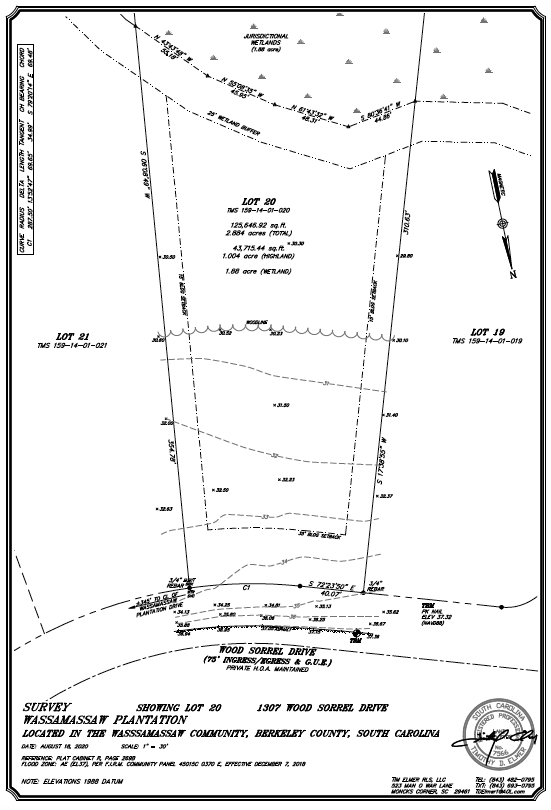
- Will a survey be required?
- Should flood zone verification be a contingency?
- How many business days are needed for due diligence?
Why this matters: Land boundaries, access, and flood status can dramatically affect value and usability.
Buildability & Zoning
- Should the contract be contingent on obtaining a building permit?
- Is rezoning approval required?
- Should well/septic or public water & sewer availability be verified?
Taxes & Environmental Considerations
- Who pays rollback taxes, if applicable?
- Are wetlands studies, soil tests, or environmental reports needed?
- Any additional contingencies or special stipulations?
Why this matters: Environmental and tax issues are among the most expensive surprises land buyers face.
How This Checklist Improves Your Offer
Using a structured land-specific checklist:
- Reduces costly oversights
- Strengthens negotiation leverage
- Protects due diligence rights
- Aligns expectations between buyer, seller, lender, and attorney
- Speeds up contract drafting and acceptance
This approach is especially important for raw land, development parcels, recreational land, and investment tracts.
Buying Land Frequently Asked Questions (FAQ)
Land offers require additional contingencies related to zoning, utilities, environmental conditions, surveys, and buildability that are not typically needed for homes.
A survey is strongly recommended to confirm boundaries, access, easements, and encroachments before closing.
It’s the time allowed for inspections, feasibility studies, environmental reviews, and permit research before committing to the purchase.
Yes, but the signer must be legally authorized to bind the entity, and this must be documented in the contract.
They can apply if the property loses agricultural or special tax status. Responsibility should be clearly addressed in the contract.
Often yes. Land loans usually require higher down payments and more documentation.
In conclusion, knowing the answers to these questions will make the process of making your offer to purchase land a smoother experience. And in the competitive environment that we are in today it’s important to be prepared and ready to jump when the perfect property becomes available.
After reviewing these 25 questions please feel free to reach out to us if you more questions or would like us to elaborate on this topic or any other real estate question.
Avoid costly mistakes when buying land.

Authors
Bill Byrd and Waverly Byrd bring extensive experience to clients buying land and planning new construction in the Charleston area. Bill has been helping clients purchase land and build homes since 1986 and has personally built several homes himself, giving clients practical insight into land selection, site considerations, and the building process.
Working together as a father-and-daughter team, Bill and Waverly guide buyers through evaluating lots, understanding local considerations, and selecting the right builder and approach for their goals. Their combined experience helps clients avoid costly mistakes, save time, and move forward with confidence when planning and building a home in the Lowcountry.