
The Complete Guide to Living, Exploring & Understanding Historic Charleston SC
The Downtown Charleston Neighborhoods form one of the most historically important, architecturally rich, and culturally vibrant areas in the United States. Located on the Charleston peninsula, this district includes a collection of unique neighborhoods—each shaped by different eras, architectural influences, and historic events. Together, they create the diverse and fascinating landscape commonly known as Historic Charleston.
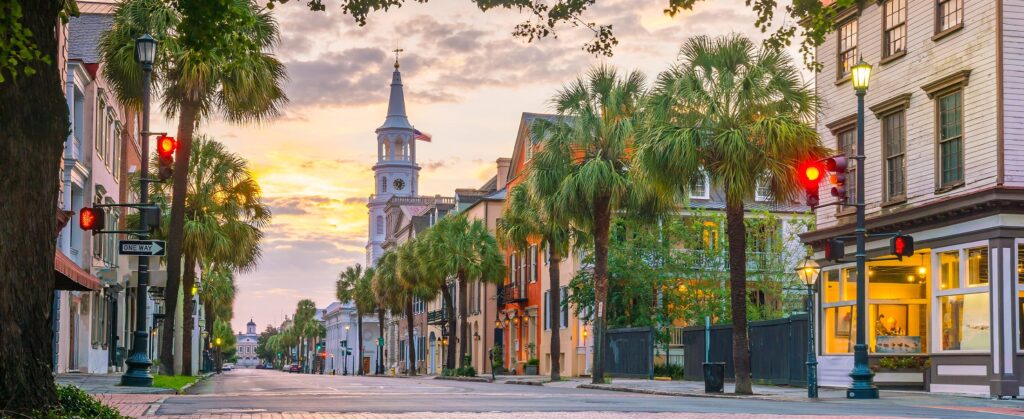
Whether you’re relocating, researching investment opportunities, or simply trying to understand the city’s historic layout, this cornerstone guide will help you navigate the peninsula neighborhood by neighborhood. You’ll learn about the history, housing styles, cultural identity, notable landmarks, and lifestyle characteristics of each area—along with direct access to listings and additional resources.
This is the most comprehensive resource you will find online for exploring the Downtown Charleston Neighborhoods.
Introducing the Downtown Charleston Neighborhoods
Downtown Charleston—often referred to as Historic Charleston—is more than a travel destination. It is a collection of communities, each with its own story. As you explore the peninsula, you discover architectural treasures, centuries-old streets, historic churches, preserved homes, gardens, local businesses, and cultural traditions that continue to shape Charleston’s identity.
From the iconic mansions of South of Broad to the colorful shotgun homes of Cannonborough–Elliotborough, the neighborhoods reflect different stages of Charleston’s development. Some areas were once home to wealthy planters and merchants. Others served as working-class communities or were shaped by free African American residents who contributed immeasurably to Charleston’s built environment.
As a modern city, Charleston offers a wide variety of ways to experience the peninsula—carriage tours, guided history tours, museum visits, waterfront parks, or exploring through the lens of food, architecture, or art.
No matter how you choose to experience it, the Downtown Charleston Neighborhoods offer something truly unique.
How This Guide Is Organized
To make research simple and intuitive, the peninsula has been divided into its major neighborhoods. Each one contains:
- A history overview
- Architectural styles and defining features
- Local landmarks and cultural highlights
- Lifestyle insights
- Real estate options and pricing tendencies
- Direct access to current listings
- Related links to help you explore further
As additional neighborhoods develop or evolve, we update this cornerstone page to keep it accurate, fresh, and useful.
A Historical Overview of the Charleston Peninsula
Before diving into the individual neighborhoods, it helps to understand how Charleston grew.
Early Settlement and the Colonial Grid
Charleston’s earliest developments clustered around the southern tip of the peninsula—today’s South of Broad. From there, the city expanded northward over the next three centuries, shaped by plantations, trade, industry, maritime activity, and architectural influences from Europe, the Caribbean, and West Africa.
19th-Century Growth
Neighborhoods such as Ansonborough, Harleston Village, and Mazyck-Wraggborough emerged from carefully surveyed tracts. Many homes from this era still survive, displaying Greek Revival, Federal, Italianate, and Charleston Single House styles.
Post–Civil War Changes
Working-class communities like Cannonborough, Elliotborough, and North Central grew as the city expanded. Freedman’s Cottages, modest bungalows, and small multi-unit homes reflect these neighborhoods’ early populations.
20th-Century Preservation Movement
Charleston became a national leader in historic preservation. Organizations like the Historic Charleston Foundation helped restore neighborhoods such as Ansonborough, strengthening the city’s reputation for safeguarding its architectural heritage.
21st-Century Revitalization
Neighborhoods including Wagener Terrace, Westside, Eastside, and Elliotborough have experienced significant renewal, attracting new residents, businesses, and investment while maintaining core community identity.
Guide to the Major Downtown Charleston Neighborhoods
Below is a detailed overview of the Downtown Charleston Neighborhoods—summaries built from the long-form pages we’ve already crafted. Each summary links to its full dedicated page for deeper reading.
1. South of Broad — Charleston’s Most Iconic Historic Neighborhood

South of Broad is defined by luxury estates, grand architecture, and its position at the southernmost tip of the peninsula. With the Battery, White Point Garden, and centuries-old mansions, it remains the most recognizable neighborhood in Historic Charleston.
Notable Features:
- Historic mansions and 18th–19th-century estates
- The Battery & Waterfront views
- Classic Charleston Single Houses
- Peaceful residential streets
- Architectural preservation at the highest level
Full neighborhood guide → South of Broad
2. Ansonborough — Restored History with Coastal Breezes
Developed in the 18th century and revitalized in the 20th century by the Historic Charleston Foundation, Ansonborough blends restored historic homes, leafy streets, and proximity to Charleston’s cultural landmarks.
Notable Features:
- Early 1700s–1800s architecture
- Close to the Charleston Harbor
- South Carolina Aquarium & Gaillard Center nearby
- A mix of historic homes and luxury condos
Full neighborhood guide → Ansonborough
3. Harleston Village — Education, Recreation & Historic Beauty
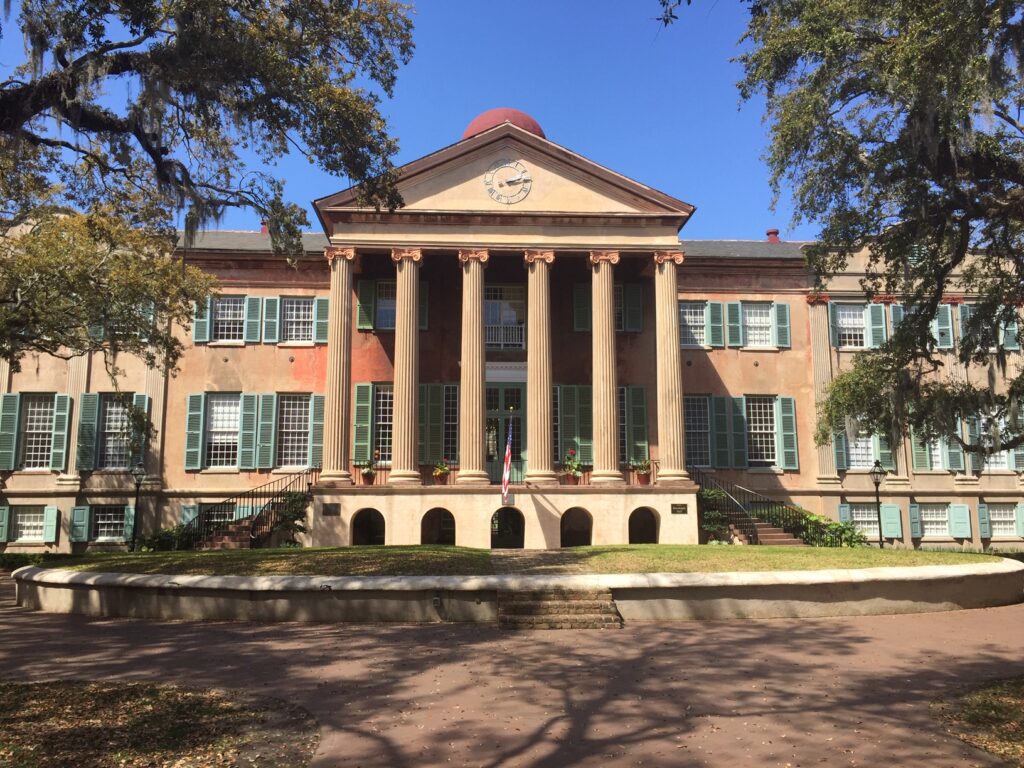
Harleston Village covers a large portion of central downtown. It includes much of the College of Charleston, Colonial Lake, and a wide variety of home styles.
Notable Features:
- Colonial Lake
- College of Charleston campus
- Historic homes and newer infill
- Restaurants, shops, and local businesses
Full neighborhood guide → Harleston Village
4. French Quarter — Cobblestones, Art, and Charleston’s Waterfront Charm
The French Quarter is known for historic churches, art galleries, cobblestone alleys, the Waterfront Park, and one of the most picturesque streetscapes in the city.
Notable Features:
- Broad Street galleries
- Waterfront Park
- Historic churches & theaters
- 18th-century architecture
Full neighborhood guide → French Quarter
5. Wagener Terrace — A Riverside Neighborhood with Local Character
Situated near the Ashley River, Wagener Terrace is defined by early-20th-century cottages, shaded streets, and a growing restaurant scene. It remains a favorite for buyers seeking charm at more accessible price points.
Notable Features:
- Hampton Park adjacency
- Early 1900s cottages and bungalows
- Active renovations
- Growing local food scene
Full neighborhood guide → Wagener Terrace
6. Eastside — History, Resilience & Modern Renewal
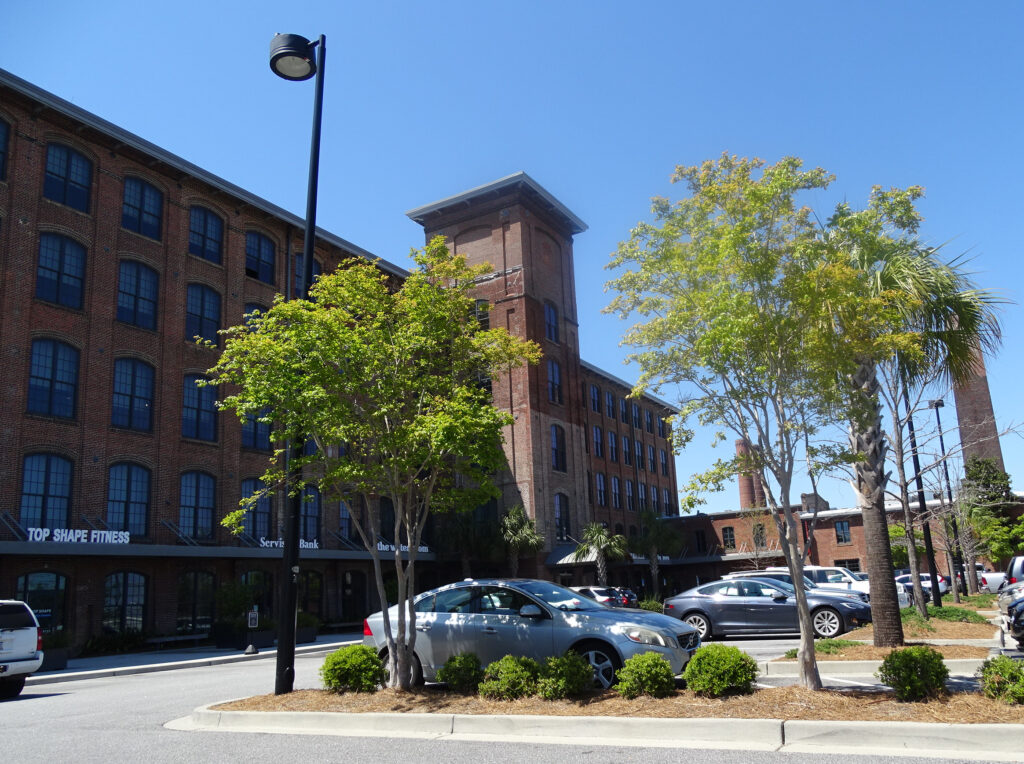
The Eastside has deep roots as a working-class neighborhood. Today, it is experiencing significant revitalization, with restored historic homes, new construction, and an active sense of community.
Notable Features:
- Historic sites including the Faber House
- Proximity to the Harbor & East Bay
- Mixed housing styles
- Strong revitalization momentum
Full neighborhood guide → Eastside
7. Wraggborough & Mazyckborough — Green Squares and Historic Architecture
These paired neighborhoods offer tree-lined streets, preserved green spaces, historic homes, and ties to famous early families such as the Wraggs and Mazycks.
Notable Features:
- Aiken-Rhett House
- Wragg Mall & Wragg Square
- Historic villas and antebellum architecture
- Central downtown position
Full neighborhood guide → Wraggborough / Mazyckborough
8. Westside — Energy, Events & Waterfront Access
Westside borders The Citadel, Joe Riley Baseball Stadium, Brittlebank Park, and the WestEdge innovation district. The neighborhood includes a wide range of home prices and styles.
Notable Features:
- The Citadel
- RiverDogs Stadium
- Brittlebank Park
- WestEdge development
Full neighborhood guide → Westside
9. North Central — Historic Cottages & Rapid Revitalization
Known for its Freedman Cottages and Craftsman bungalows, North Central offers charm, accessibility, and strong appreciation potential.
Notable Features:
- Proximity to Hampton Park
- Local restaurants & coffee shops
- Strong renovation activity
- Increasing property values
Full neighborhood guide → North Central
10. Cannonborough–Elliotborough — Creativity, Culture & Urban Momentum
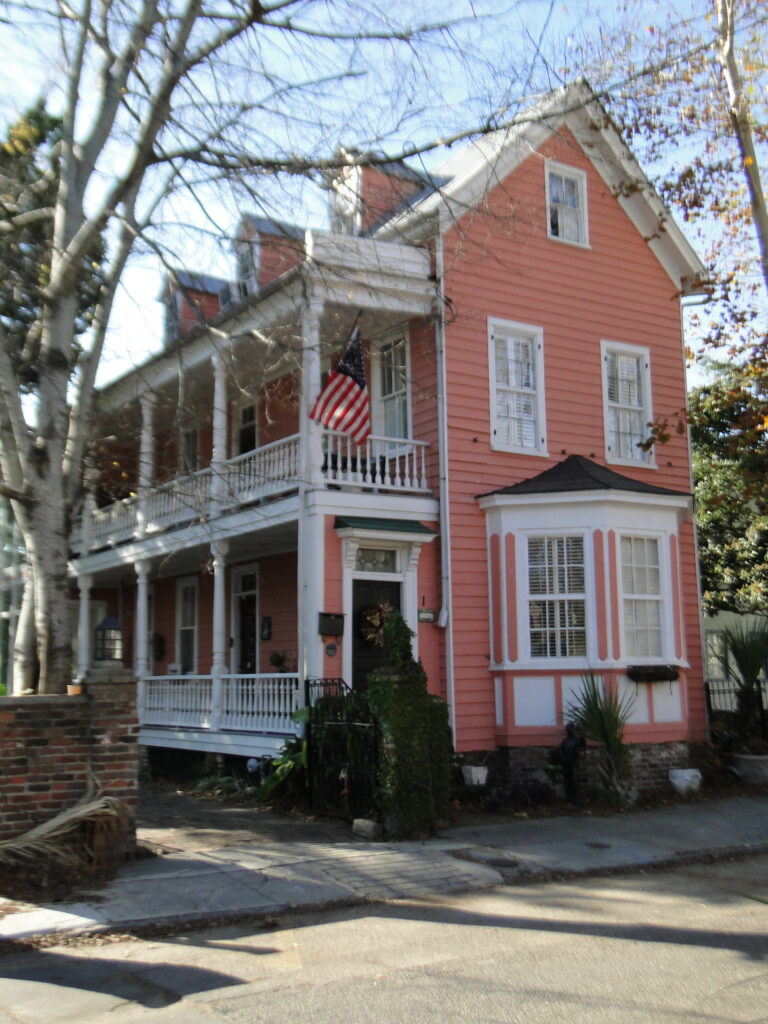
Often grouped together, Cannonborough and Elliotborough form one of the most dynamic areas of downtown. With renovated cottages, colorful streets, cafés, bakeries, art studios, and investment activity, the area remains highly sought-after.
Notable Features:
- Charleston Single Houses & Freedman’s Cottages
- Local restaurants & bakeries
- Active renovation and development
- Strong community identity
Full neighborhood guides → Elliotborough | Cannonborough
11. Hampton Park Terrace — Historic Charm Along One of Charleston’s Grand Parks
Hampton Park Terrace sits just north of the historic core and directly beside one of the most beautiful green spaces on the Charleston peninsula: Hampton Park. Platted in the early 20th century, the neighborhood showcases Craftsman bungalows, foursquares, and early suburban homes that reflect Charleston’s growth beyond the original colonial grid.
Once considered “uptown,” Hampton Park Terrace now offers an appealing blend of historic charm and proximity to the city’s academic, medical, and cultural institutions. Many homes have been carefully restored, while others have been updated with modern interiors that preserve original character.
Notable Features:
- Early-1900s Craftsman bungalows and foursquares
- Direct access to Hampton Park’s grand oaks, ponds, and paths
- Close to The Citadel and nearby neighborhood restaurants
- Strong neighborhood identity and architectural consistency
Full neighborhood guide → Hampton Park Terrace
12. Radcliffeborough — Historic Homes Near Campus & Medical Centers
Radcliffeborough is a compact, historically rich neighborhood located in the central section of Downtown Charleston, close to both the College of Charleston and the Medical University of South Carolina (MUSC). Originally developed by Thomas Radcliffe and later expanded by his widow, Lucretia Radcliffe, the neighborhood grew into a residential enclave for merchants, mechanics, and rice planters in the 19th century.
Today, Radcliffeborough features a concentrated collection of Charleston Single Houses, cottages, and historic residences, many of which have been updated for modern living. Its location near Calhoun Street, Rutledge Avenue, and Morris Street places residents within easy reach of campus life, medical facilities, and the broader amenities of Historic Charleston.
Notable Features:
- Historic Charleston Singles and cottages
- Church of St. Paul’s on land donated by Lucretia Radcliffe
- Popular with students, professors, and medical professionals
- Slightly more accessible pricing than some southern peninsula districts
Full neighborhood guide → Radcliffeborough
Downtown Charleston Homes For Sale




Living in the Downtown Charleston Neighborhoods
With their combined history, architecture, and cultural layers, the neighborhoods of Downtown Charleston create a lifestyle that is unlike anywhere else in America.
Architecture
Across the peninsula you’ll see:
- Charleston Single Houses
- Federal & Georgian style
- Victorian & Italianate
- Greek Revival
- Freedman’s Cottages
- Craftsman bungalows
- Modern infill construction
Culture
The peninsula offers a variety of experiences:
- World-class restaurants
- Boutique shops
- Historic churches
- Museums & galleries
- Waterfront parks
- Theaters & festivals
- Music venues
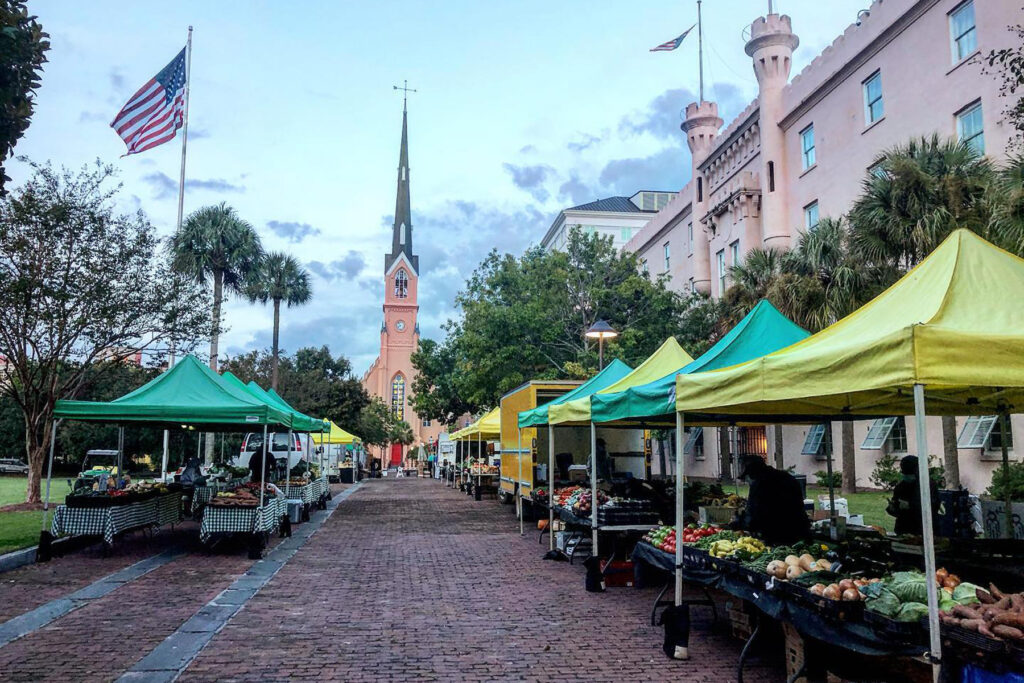
- Local markets
Real Estate
The area includes:
- Historic mansions
- Restored cottages
- Condos & luxury developments
- Investment properties
- Multi-unit buildings
- Updated infill construction
- Prices vary widely by neighborhood, architecture, size, and condition.
Lifestyle
Daily life in Downtown Charleston includes:
- Cultural events
- Public parks and green spaces
- Local food and coffee culture
- Proximity to schools, museums, and civic buildings
- A blend of longtime residents and newcomers
- Sightseeing
- Local Sports
- Recreation
Searching the Downtown Charleston Neighborhoods
When you explore homes for sale across the peninsula, you’ll quickly notice the wide range of:
- Home types
- Architectural eras
- Lot sizes
- Amenities
- Price points
Your search can be as broad or narrow as you prefer. Start with one neighborhood or compare several at the same time. Search by:
- Price
- Bedrooms
- Bathrooms
- Year built
- Property type
- Proximity to institutions or districts
- Architectural features
Each neighborhood page on this site provides updated listings, market data, and additional resources.
Frequently Asked Questions – Downtown Charleston Neighborhoods
Neighborhoods include South of Broad, Ansonborough, French Quarter, Harleston Village, Radcliffeborough, Hampton Park Terrace, Wagener Terrace, Eastside, North Central, Elliotborough, Cannonborough, Westside, and Wraggborough.
Yes. Much of the peninsula forms the federally recognized Charleston Historic District, including homes, churches, museums, and preserved streetscapes dating back to the 1700s.
South of Broad typically holds the highest price points due to its historic mansions, waterfront exposure, and architectural pedigree.
North Central, Eastside, Elliotborough, Cannonborough, and parts of the Westside generally offer more affordable options compared to the southern peninsula.
Homes include Charleston Singles, Italianate mansions, Freedman’s Cottages, bungalows, modern infill homes, condos, and restored historic properties.
Yes. Because the peninsula is limited in size and demand remains strong, many neighborhoods—especially those undergoing revitalization—offer stable long-term value.
Start by exploring the neighborhood pages linked above, then use the IDX search tool to filter by price, bedrooms, features, or specific neighborhoods.

Authors
Bill Byrd and Waverly Byrd bring deep real estate expertise to clients throughout the Charleston area, drawing on years of hands-on experience with residential sales, investment property, relocation, and local market strategy. Their guidance is grounded in market knowledge, careful analysis, and a commitment to helping clients make well-informed real estate decisions.
As a father-and-daughter team, they work collaboratively on every transaction, combining experience, perspective, and consistent communication. Clients benefit from a coordinated approach that emphasizes preparation, clarity, and thoughtful execution at each stage of the buying or selling process across the Lowcountry.