
Aligning Housing Decisions With Long-Term Financial and Lifestyle Goals

If you’ve begun exploring your Charleston Senior Living Options, you may have discovered that many older adults start their journey with one simple hope: to remain in their current home for as long as possible.
That desire is known as aging in place — and for most seniors, it feels like the most natural and comforting choice.
At Byrd Property Group, we often hear statements like:
“They’re not going to put me in a home.”
“They’ll have to carry me out of here before I move.”
These words usually come from a deep desire to hold on to independence, dignity, and the familiar surroundings that define home. And that desire is both understandable and shared by millions of people across the country.
In this guide, we’ll help you understand what aging in place really means, what it takes to do it successfully, and how to decide if it’s the right choice for your next chapter here in Charleston.
You Are Not Alone: Why Aging in Place Matters So Much
The preference to age in place is not just common — it is overwhelming.
According to AARP studies:
- Nearly 90% of adults age 65 and older say they want to remain in their homes as they age.
- Over 75% hope to stay in their current community for the rest of their lives.
That tells us something important:
If you’re thinking about aging in place, you are in very good company.
This mindset is often shaped by:
- A lifelong attachment to home and possessions
- A desire for independence
- Childhood perceptions of “old folks homes” from decades past
- The comfort of familiar routines and neighbors
Years ago, institutional care options were limited and often unpleasant. Today, retirement and care communities are very different — but those old impressions still linger. For many seniors, staying home simply feels safer emotionally.
And sometimes, it truly is.
What Does Aging in Place Mean?

Aging in place means continuing to live in your own home as you grow older, while adapting your environment, support systems, and routines to meet changing needs.
It does not mean doing everything alone.
It means building a plan that allows you to remain where you are — safely, comfortably, and with dignity.
Aging in place may include:
- Making home safety improvements
- Using in-home care services
- Relying on family or neighbors for support
- Adjusting daily routines as needed
- Planning financially for long-term care
When done thoughtfully, aging in place allows many seniors to preserve independence while staying rooted in the place they love.
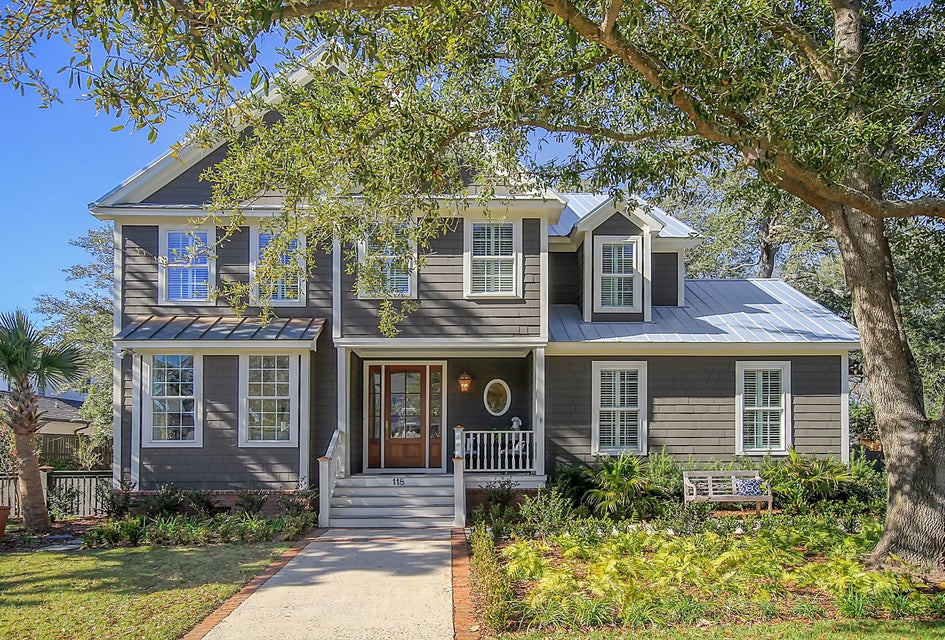
Why Aging in Place Is So Appealing in Charleston
Charleston is uniquely suited for aging in place because it offers:
- Established neighborhoods where long-term friendships thrive
- Access to healthcare systems and specialists
- Strong community and faith networks
- Coastal beauty and peaceful surroundings
- A wide range of service providers for in-home care and support
For many Charleston homeowners, their house is more than real estate — it’s the center of family memories, holidays, and decades of life.
It’s no surprise so many want to stay.
Comparing Costs: Aging in Place vs. Senior Communities
One of the most common questions we hear is:
“Is it cheaper to age in place than to move into a community?”
The honest answer is: sometimes — but not always.
In many cases:
- Light in-home care combined with living at home can cost less than full-service communities.
- However, as care needs increase, in-home services can become expensive.
There is no “one-size-fits-all” answer because:
- Health needs differ
- Home conditions vary
- Family support levels change
- Financial resources are unique
That’s why we encourage Charleston families to start researching their senior living options early — while choices are still wide open.
The Keys to Successfully Aging in Place
In our experience, successful aging in place rests on three foundations:
1. Health
Your physical and mental well-being is the single biggest factor.
Serious illness or injury can quickly change what is possible at home. That’s why maintaining:
- Regular physical activity
- Mental engagement
- Preventive healthcare
- Balanced nutrition
is so important.
If you’re married, paying attention to each other’s health is critical. When one partner’s health declines, the impact is often shared.
2. Support Network

No one ages in place truly alone.
Support may come from:
- Family members
- Neighbors and friends
- Faith communities
- Home care professionals
- Transportation services
Strong connections can make the difference between thriving at home and struggling in isolation.
3. Financial Stability
The ability to pay for:
- Home maintenance
- Modifications
- In-home care
- Medical needs
- Insurance and taxes
plays a major role.
Without a plan, unexpected care costs can strain even well-prepared households.
Changes Are Coming — And That’s Normal
Aging brings change. It’s not a matter of if changes will occur, but when.
Common age-related changes may include:
- Reduced vision
- Diminished strength or endurance
- Less balance control
- Increased risk of falling
- Reduced hearing
- Slower mobility
- Memory changes
- Greater vulnerability to illness
Everyone experiences these at different times and to different degrees.
Many of us joke,
“The older we get, the better we were.”
Humor helps, but planning helps more.
How Aging Affects Daily Living
These changes often show up in activities of daily living (ADLs) such as:
- Driving safely
- Moving through the home
- Shopping and errands
- Transportation
- Social engagement
- Home maintenance
- Health management
- Personal hygiene
- Cooking and cleaning
When these activities become difficult, aging in place becomes more challenging without added support.
Recognizing these shifts early allows you to adjust before a crisis occurs.
The Aging in Place Plan: Be Proactive, Not Reactive
The best time to plan for aging in place is before you need it.
Too often, we’ve seen families forced into decisions after:
- A fall
- A medical emergency
- Sudden health decline
In those moments, choices shrink — and stress grows.
Our encouragement is simple:
Design your plan while you still can.
That means:
- Researching care options
- Evaluating your home’s layout and safety
- Talking with family
- Understanding your finances
- Knowing when change might be needed
You’ve spent your life planning for retirement.
Now it’s time to plan for living well in retirement.
When Aging in Place Is a Good Choice
Aging in place often works best when:
- You are in relatively good health
- Your home is safe and accessible
- You can move freely through the space
- You have nearby support
- You feel comfortable with in-home help if needed
- Your finances can support future care
- You feel confident and secure at home
In these situations, aging in place can preserve independence and quality of life for many years.
When Aging in Place May Not Be the Best Choice

Sometimes, a gentle reality check is needed.
Aging in place may not be ideal if:
- You can no longer drive and lack transportation options
- You feel lonely or isolated
- You are afraid being alone at home
- In-home caregivers feel uncomfortable to you
- A spouse must reduce work to provide care
- Overnight care is difficult to arrange
- Major remodeling would be required
- Finances cannot support in-home services
- A family caregiver’s health is at risk
- Your instincts tell you it’s not right
None of these mean failure.
They simply mean your needs may now be better served elsewhere.
Recognizing this early allows you to explore other Charleston senior living options with clarity — rather than urgency.
Home Modifications That Support Aging in Place
Many Charleston homes can be adapted to support aging in place through:
- Improved lighting
- Secure handrails and grab bars
- Step-free entries
- Safer bathroom layouts
- Wider doorways
- Main-level sleeping arrangements
- Non-slip flooring
Some changes are simple. Others require investment. Evaluating these needs early helps you decide whether staying makes sense long-term.
Emotional Side of Aging in Place
Beyond logistics, aging in place is deeply emotional.
Home represents:
- Memories
- Identity
- Independence
- Family history
The idea of leaving can feel like losing a part of yourself. That’s why it’s so important to approach this topic with compassion — for yourself and for loved ones.
You deserve to feel heard, respected, and supported in whatever choice you make.
How Byrd Property Group Supports Your Aging in Place Journey
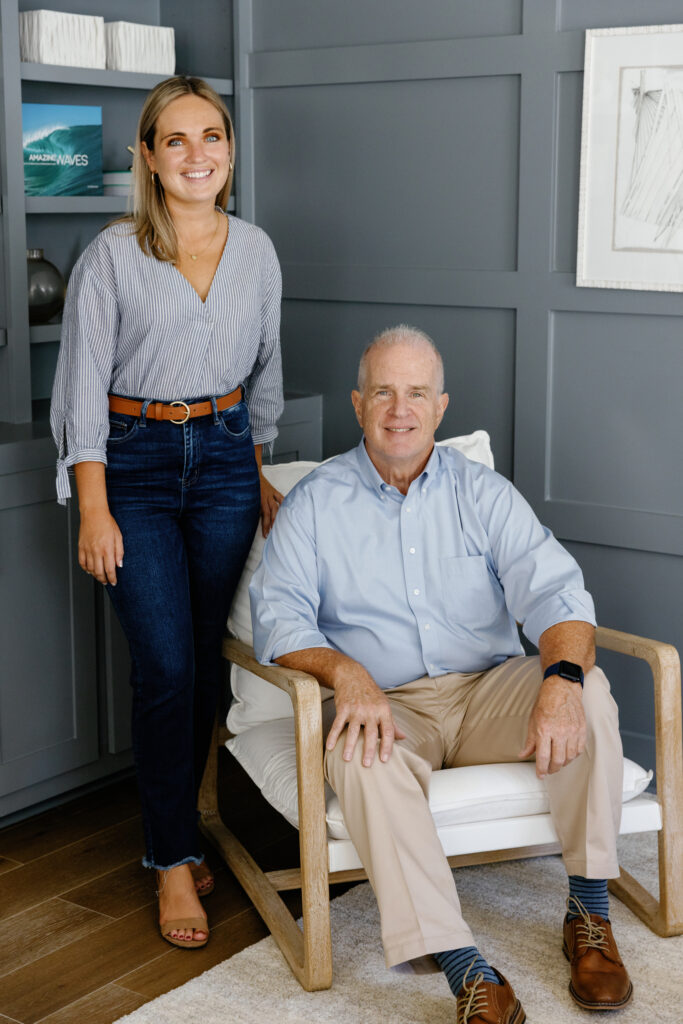
At Byrd Property Group, we don’t push moves.
We guide decisions.
Our role is to help you:
- Understand how your home fits your long-term goals
- Evaluate whether aging in place is realistic
- Explore downsizing or community options if needed
- Protect your home equity and legacy
- Plan transitions on your timeline
Sometimes staying is the right choice.
Sometimes preparing for change brings peace of mind.
Either way, you deserve clear information and caring guidance.
Summary: Aging in Place, Know Your Options
Aging in place remains the first choice for most older adults — and for good reason. It offers comfort, familiarity, and independence.
But success depends on:
- Health
- Support
- Home safety
- Financial planning
- Willingness to adapt
By learning your options early and building a thoughtful plan, you stay in control of your future.
And remember:
Choosing to explore alternatives doesn’t mean you’re giving up.
It means you’re preparing.
We’re here to walk beside you as you discover what feels right.
Frequently Asked Questions About Aging in Place
It means staying in your own home as you age while adapting support, care, and safety to meet changing needs.
Studies show nearly 90% of adults 65+ prefer to remain in their homes as they grow older.
It can be safe when homes are adapted and support is available. Without planning, risks may increase over time.
Sometimes, especially with minimal care needs. As care increases, costs may approach or exceed community options.
Support may include family help, professional caregivers, transportation, and home modifications.
As early as possible — ideally while you are healthy and independent.
Your plan should allow flexibility so you can adjust or transition if aging in place no longer fits.
Absolutely. We help you evaluate options and timing without pressure.
We can help you assess layout, safety, maintenance, and long-term feasibility.
Start a conversation. We’ll listen and help you explore your Charleston senior living options.
🔗 Suggested External Resources
- AARP – Aging in Place
https://www.aarp.org/livable-communities/housing/info-2014/aging-in-place.html - National Institute on Aging – Aging at Home
https://www.nia.nih.gov/health/aging-place - South Carolina Department on Aging
https://aging.sc.gov/
Your Charleston Senior Real Estate Specialists
About the Authors
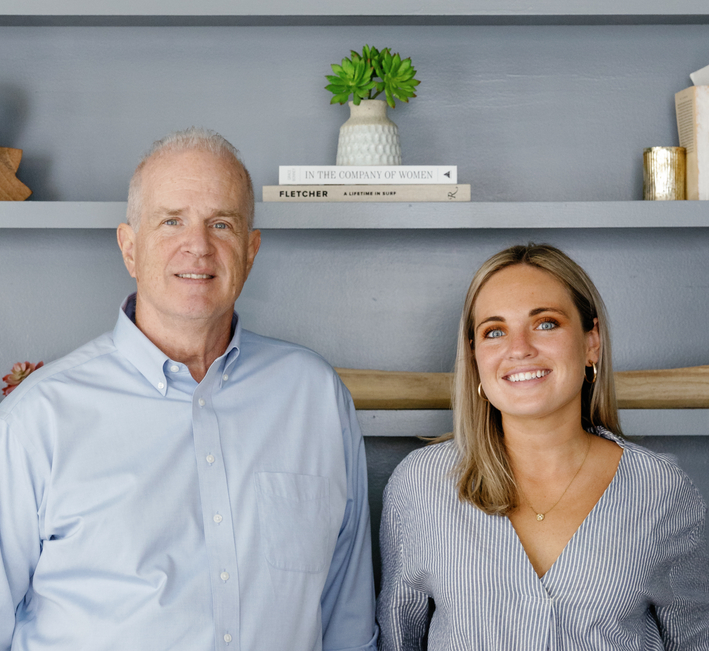
Bill Byrd and Waverly Byrd are a father-and-daughter real estate team serving the Charleston area with a focused commitment to senior living and later-life real estate planning. As Senior Real Estate Specialists, they bring years of experience helping older adults and their families navigate housing decisions with care, clarity, and respect for each individual’s goals.
Working together, Bill and Waverly guide clients through selling a long-held family home, evaluating rightsizing or relocation options, and finding a home that supports the next chapter of life. Their collaborative, patient approach helps seniors and their families make informed decisions at a comfortable pace, with attention to both practical needs and long-term considerations throughout the Lowcountry.