

When most people dream of building their own home, the first thing they imagine is finding the perfect piece of land. That excitement makes sense—after all, the land you choose will shape everything that comes next. However, buying land to build a home requires more planning than many buyers initially expect.
Before purchasing a lot, it helps to slow down, ask the right questions, and understand how land, regulations, and natural conditions can affect your future home. While some buyers move forward without this preparation, doing so increases risk, cost, and stress. With the right guidance, these risks can be reduced or avoided altogether.
At Byrd Property Group, we help clients navigate the process of buying land throughout the Charleston Lowcountry. Our goal is to help you make informed decisions so your land supports—not limits—your long-term plans.
When You’re Ready to Start Your Search
To make the process easier, we provide curated land and lot searches by area so you can explore available properties across Charleston and the surrounding counties. When the time is right, our team can help you evaluate each option carefully and strategically.
Key Things to Consider When Buying Land
Buying land involves more than location and price. Some factors are obvious, while others are less visible until problems arise. Understanding both is essential before you move forward.
Know What You’re Going to Build First
One of the most common mistakes buyers make is purchasing land before understanding what they plan to build. Many buyers start with a budget and assume the home design will work itself out later. While this approach can succeed in some cases, it often leads to compromises or unexpected costs.
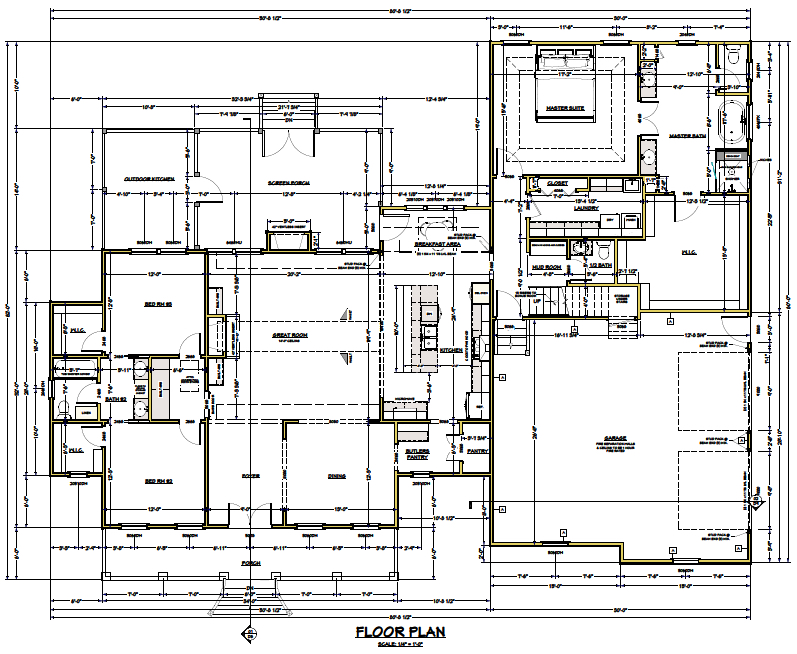
Instead, it is strongly recommended that you clarify:
- The size and style of the home
- Approximate footprint and layout
- Budget range for construction
- Special features such as garages, workshops, or accessory structures
Once you understand what you want to build, you can evaluate whether a particular lot supports those plans.
Tip: Know what you plan to build before shopping for land.
Buying Land in the Right Location
Location matters just as much for land as it does for an existing home. Before purchasing, it is wise to research the surrounding area thoroughly.
Consider:
- Nearby approved developments
- Planned infrastructure projects
- Road expansions or utility improvements
- Future commercial or residential growth
Visiting local planning and zoning offices and speaking with nearby property owners can provide valuable insight. This research helps prevent surprises after closing.
Understand the Property’s Zoning
Zoning regulations determine how land can be used and developed. These rules affect:
- Building size and height
- Density and subdivision potential
- Permitted uses
Zoning also applies to neighboring parcels. While higher-density zoning may create future development opportunities, it can also change the surrounding landscape over time.
Tip: Zoning impacts both your property and what may happen nearby.
Natural Conditions and Environmental Considerations
In the Charleston Lowcountry, natural conditions play a major role in land selection. Understanding these factors early helps protect your investment.
Wetlands

Wetlands are common in low-lying areas. If a property contains designated wetlands, building may be restricted or prohibited in those areas.
Many land parcels do not have a wetlands delineation completed in advance. During your due diligence period, ordering a survey that identifies wetlands is often essential.
A property’s total acreage does not always reflect its usable area.
Soils and Ground Conditions
Soil conditions affect how a home’s foundation must be designed. In coastal regions, soils often consist of layered sediments with varying load-bearing capacity.
Two common tests include:
- Bearing Capacity Tests (simpler and less expensive)
- Geotechnical Analysis (more detailed and comprehensive)
If soil conditions require special foundation solutions, an engineer can recommend appropriate options. While this may increase costs, it often makes the desired location viable.
Tip: Soil testing should never be skipped when buying land.
Flood Zones
Flood risk is a reality in coastal South Carolina. Understanding a property’s flood designation is critical because it can directly affect insurance costs and construction requirements.
Before purchasing land, confirm:
- FEMA flood zone classification
- Estimated flood insurance costs
- Local elevation requirements
Tip: Always verify flood information early in the process.
Trees and Site Features
Trees add beauty and character to a property, but they also require careful planning.
In many Charleston-area jurisdictions, large or historic trees may be protected. Removing them could require permits or mitigation.
Additionally, tree health matters. Dead or compromised trees should be identified and addressed before construction begins, especially given seasonal storms and high winds.
Easements, Title, and Ownership Concerns
Before closing, a title search will confirm whether the seller has clear ownership and identify any recorded easements.
Common easements include:
- Utility access
- Shared driveways
- Access to neighboring parcels
Some easements are not visible on the ground, which is why title insurance is essential.
Heirs Property in the Lowcountry
In some areas of the Lowcountry, land ownership may be complicated by inherited ownership structures. These situations can make clear title difficult to establish.
While not every property is affected, buyers should understand that unresolved ownership issues can prevent title insurance coverage and delay or cancel transactions.
Tip: Never purchase land without an owner’s title insurance policy.
Utilities and Services
Before purchasing land, determine which services are available:
- Electricity
- Water
- Sewer or septic options
- Internet and communications
If services are not readily available, confirm whether they can be extended and at what cost. Utility providers can usually offer guidance during early research.
Always Get a Survey When Buying Land
A professional survey clarifies exactly what you are purchasing. A comprehensive survey may include:
- Boundary lines
- Easements and setbacks
- Elevation data
- Topographical features
- Noted improvements or encroachments
Tip: A survey is one of the most important tools in land purchases.
Conclusion: Guidance Makes All the Difference
Buying land to build your own home involves many moving parts. While the process may feel complex, the right guidance can make it manageable and rewarding.
At Byrd Property Group, we help clients evaluate land thoughtfully and coordinate with builders, engineers, surveyors, and attorneys. From your first questions to closing day, our role is to help you make confident decisions.
If you have questions or would like personalized guidance, please contact us at 843-790-7000. We are here to help you move forward with clarity and confidence.
Frequently Asked Questions About Buying Land
It is generally recommended to understand what you plan to build first so the land supports your goals.
Yes. A survey confirms boundaries, easements, and physical characteristics of the property.
Soil testing, flood zone verification, and wetlands evaluation are common and important steps.
Yes. Owner’s title insurance protects against unknown or undiscovered ownership issues.
Not always. Availability and extension costs should be confirmed before purchase.

Authors
Bill Byrd and Waverly Byrd bring extensive experience to clients buying land and planning new construction in the Charleston area. Bill has been helping clients purchase land and build homes since 1986 and has personally built several homes himself, giving clients practical insight into land selection, site considerations, and the building process.
Working together as a father-and-daughter team, Bill and Waverly guide buyers through evaluating lots, understanding local considerations, and selecting the right builder and approach for their goals. Their combined experience helps clients avoid costly mistakes, save time, and move forward with confidence when planning and building a home in the Lowcountry.