
A living story of resilience, reinvention, and remarkable continuity
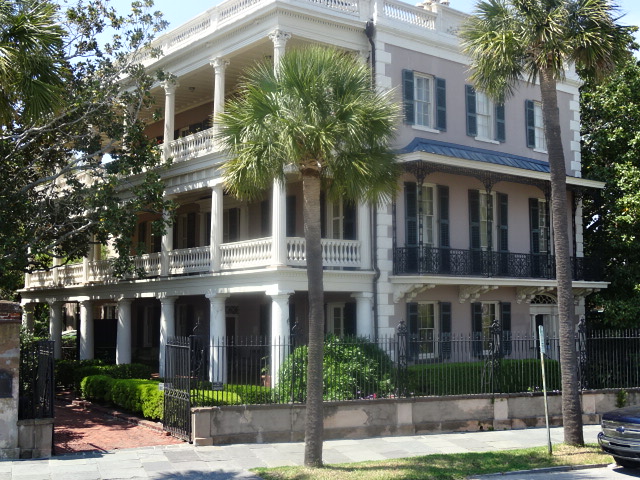
Charleston, South Carolina is often described as timeless. Yet its story is anything but static. From a fragile 17th-century settlement to a global port city, from the crucible of revolution and civil war to modern innovation and growth, the city has been shaped by geography, commerce, conflict, culture, and community. Understanding Charleston—yesterday and today—offers a deeper appreciation for why this city continues to attract people from across the country and around the world.
This page is designed to guide readers through Charleston’s long arc of history using well-documented sources, while also connecting that past to the vibrant city that exists today.
From First Settlement to a Strategic Port (1670–1700s)
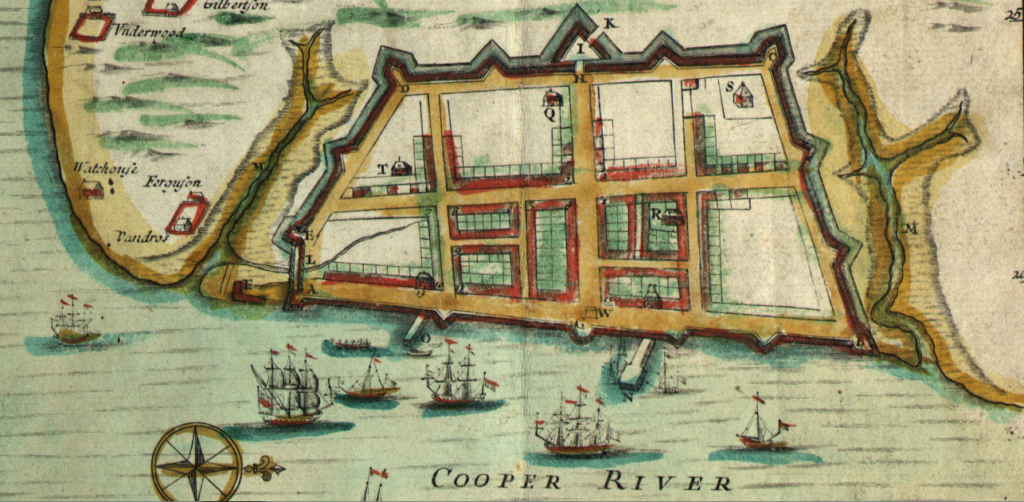
Charleston’s story begins in 1670, when English colonists established Charles Town on the west bank of the Ashley River at what is now Charles Towne Landing. The location offered fertile land and access to navigable waterways, but it soon became clear that the peninsula formed by the Ashley and Cooper Rivers provided a more defensible and commercially advantageous position.
By 1680, settlement activity shifted to the peninsula…today’s historic downtown. Surrounded by water on three sides and protected by barrier islands, the Harbor was naturally suited for maritime trade. This geography would define the city’s destiny for centuries.
Rice, indigo, and later cotton fueled the area’s early economy. These commodities connected the city directly to transatlantic trade networks linking North America, the Caribbean, Europe, and West Africa. By the early 18th century, Charleston had become one of the wealthiest cities in British North America.
Charleston SC Before The Modern World (Video)
Charleston and the Atlantic World
Charleston’s early prosperity was inseparable from the Atlantic economy. The port became one of the busiest in the colonies, importing goods, people, and ideas while exporting agricultural products worldwide. Financial institutions emerged to support this trade, and by the late 1700s, Broad Street had earned a reputation as the financial center of the South—often referred to historically as the “Wall Street of the South.”
The city’s cultural foundations were also being laid during this period. English, African, Caribbean, and European influences blended into a distinct Lowcountry identity, visible today in architecture, cuisine, language, and traditions.
The Revolutionary Era: At the Center of Conflict
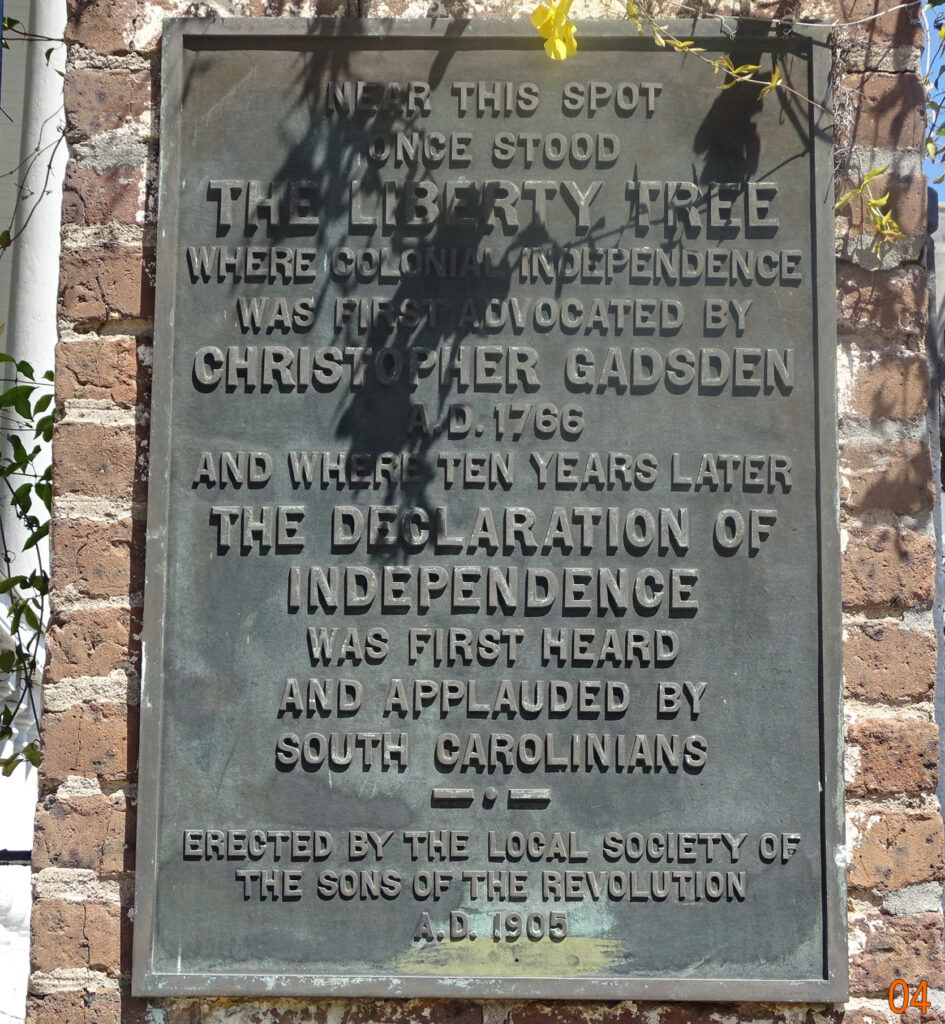
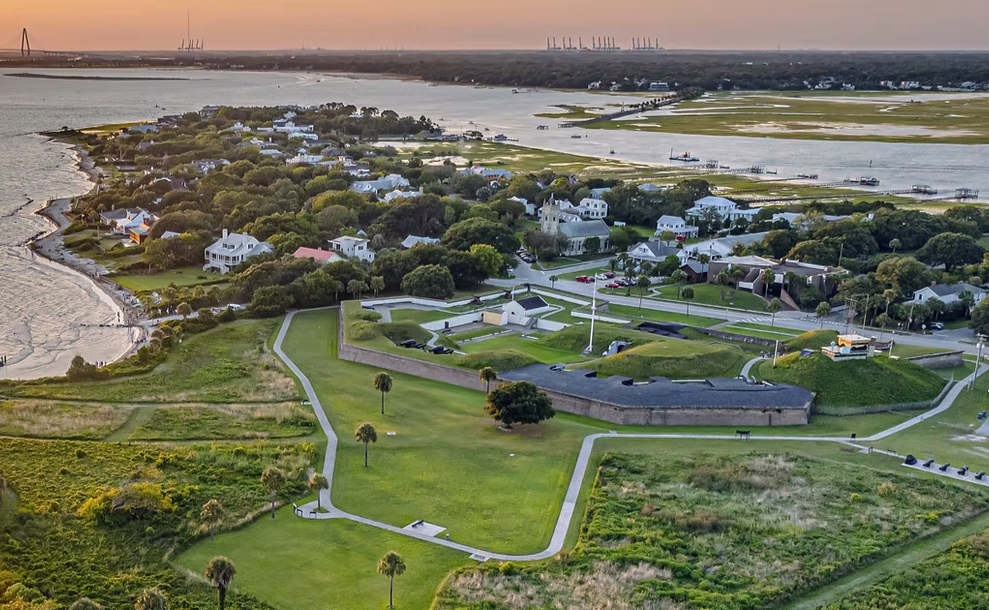
Charleston played a critical role in the American Revolutionary War. The city’s strategic importance made it a frequent target. In 1776, South Carolina forces successfully repelled a British naval attack at Fort Moultrie, a pivotal early victory for the colonies.
South Caroliana remembers this victory every year with the Carolina Day Celebration.
However, the city later fell to British forces in the Siege of Charleston in 1780, marking one of the most significant American defeats of the war. The city remained under British occupation until late 1782, when it was finally evacuated.
Despite hardship, Charleston emerged from the Revolution as a vital American port city, retaining much of its economic and cultural influence in the newly formed nation.
Antebellum Charleston and Economic Power (1800–1860)
During the first half of the 19th century, the city stood as one of the most prosperous cities in the United States. Cotton exports surged, and the city remained deeply connected to global markets. Elegant homes, churches, civic buildings, and public spaces were constructed—many of which still define the historic landscape today.
At the same time, Charleston was at the center of intense national debates over states’ rights and slavery. These tensions would soon reshape the city and the nation.
The Civil War Begins
On April 12, 1861, the American Civil War began in Charleston Harbor with the bombardment of Fort Sumter. The conflict brought years of devastation to the city. Naval blockades crippled commerce, and repeated bombardments damaged large sections of the city.
By the war’s end, much of the city lay in ruins. Economic systems collapsed, and Charleston faced the enormous challenge of rebuilding during the Reconstruction era.
Reconstruction, Resilience, and Renewal
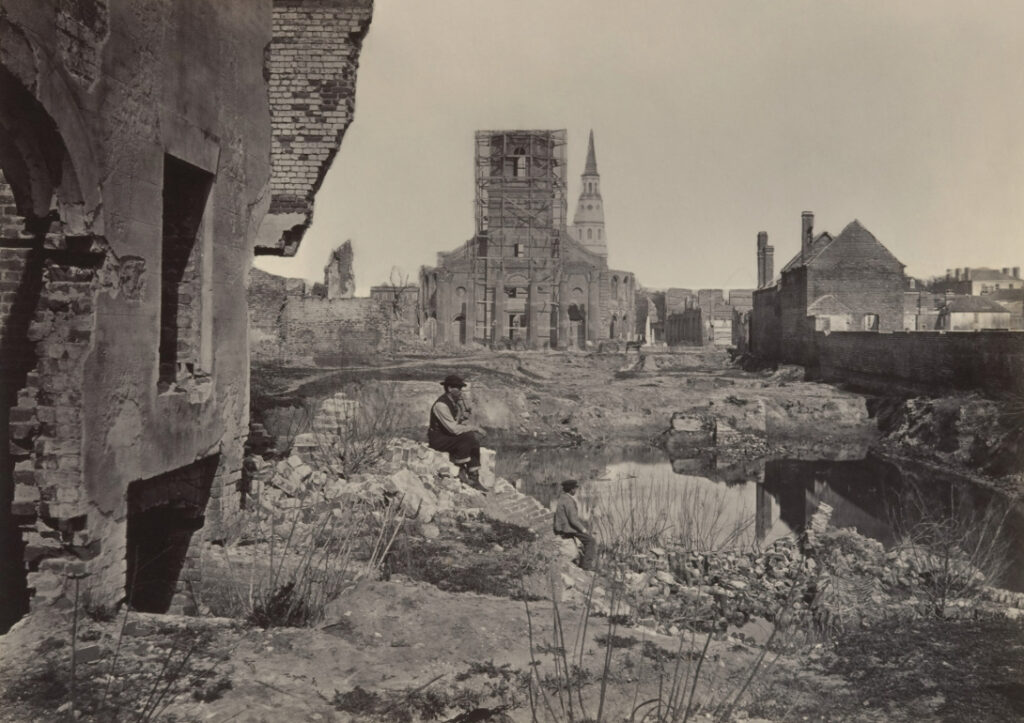
Reconstruction brought profound social, political, and economic change. While recovery was slow, Charleston’s residents demonstrated remarkable resilience. Over time, the port reopened, neighborhoods were rebuilt, and civic life resumed.
Yet new challenges emerged. In 1886, a powerful earthquake struck the city, damaging thousands of buildings. Hurricanes and fires added to the city’s hardships. Each time, Charleston adapted—repairing, restoring, and preserving what could be saved.
This long pattern of endurance became central to Charleston’s identity.
Through the Great Depression and World War II
The Great Depression deeply affected Charleston, as it did cities across the nation. Economic activity slowed, and development largely stalled. Ironically, this period helped preserve much of Charleston’s historic fabric, as large-scale demolition and redevelopment never fully took hold.
During World War II, Charleston’s naval and shipyard operations reenergized the local economy. Military investment brought new infrastructure and jobs, setting the stage for postwar growth.
Preservation and the Modern Renaissance
Charleston became a national leader in historic preservation during the 20th century. The establishment of historic districts and design review processes ensured that new development respected the city’s architectural legacy.
As tourism grew, Charleston’s reputation expanded beyond the Southeast. Its history, coastal setting, cultural institutions, and culinary scene gained international recognition. At the same time, medical, aerospace, and technology sectors emerged as major economic drivers.
Suggested internal link: “Living in Charleston SC: What Newcomers Should Know”
Suggested external link: National Park Service – Charleston History
Charleston Today: Growth with Character
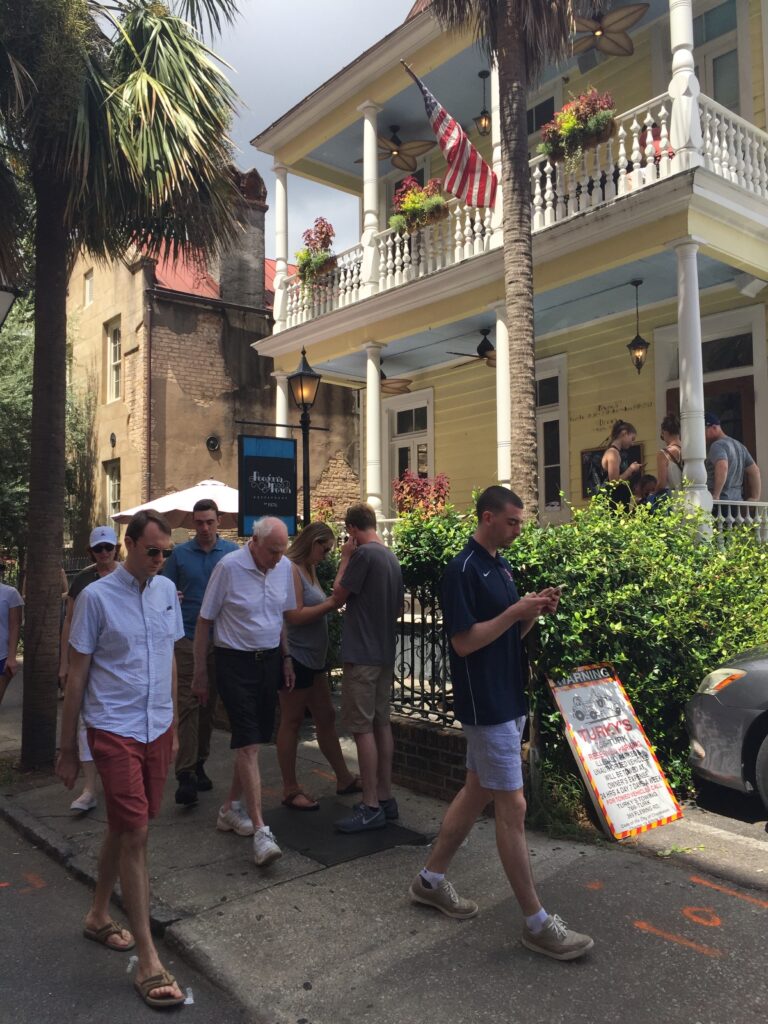
Today, Charleston balances growth with tradition. Development has expanded beyond the peninsula into surrounding communities, while downtown remains a carefully protected historic core. The port continues to operate as one of the most important on the East Coast, connecting Charleston to global trade just as it did centuries ago.
Modern Charleston is shaped by:
- A diverse and expanding economy
- World-class healthcare and research institutions
- A thriving arts and culinary scene
- Access to waterways, beaches, and natural landscapes
Despite growth, Charleston’s sense of place remains strong. History is not confined to museums—it is visible in streetscapes, homes, churches, and waterfront views.
Finding Your Place in Charleston’s Ongoing Story
Charleston is not simply a destination; it is a living city built on layers of history. Understanding where Charleston has been helps explain why so many people feel a deep connection to where it is today.
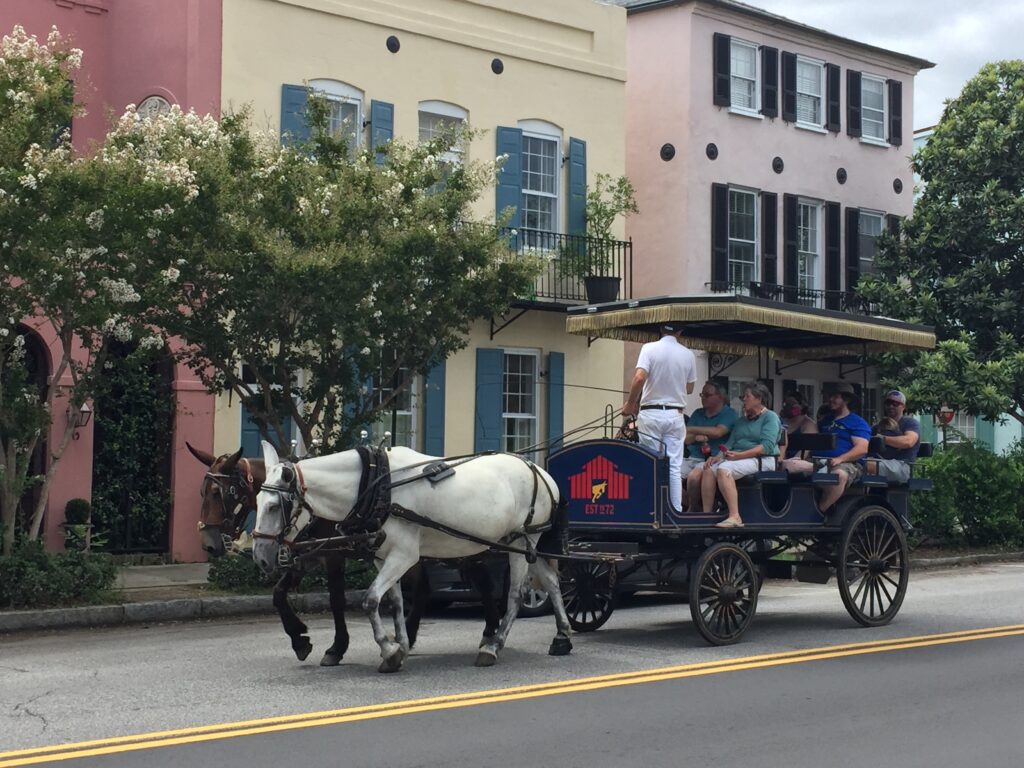
Whether your interest is rooted in history, architecture, coastal living, or long-term investment, Charleston offers a remarkable blend of continuity and change. Our role is to help guide you toward a deeper understanding of this place—and to help you discover where you fit within its ongoing story.
Frequently Asked Questions About Charleston History
Charleston was founded in 1670 by English colonists, with the first settlement established along the Ashley River before moving to the peninsula.
Charleston’s protected harbor and access to global trade routes made it one of the most important ports in colonial America.
Charleston was where the Civil War began, with the attack on Fort Sumter in 1861. The city experienced significant damage during the conflict.
Early preservation efforts and strict historic district guidelines helped protect Charleston’s architectural and cultural heritage.
Charleston’s economy includes port operations, healthcare, aerospace, tourism, technology, and education.

Authors
Bill Byrd and Waverly Byrd bring deep real estate expertise to clients throughout the Charleston area, drawing on years of hands-on experience with residential sales, investment property, relocation, and local market strategy. Their guidance is grounded in market knowledge, careful analysis, and a commitment to helping clients make well-informed real estate decisions.
As a father-and-daughter team, they work collaboratively on every transaction, combining experience, perspective, and consistent communication. Clients benefit from a coordinated approach that emphasizes preparation, clarity, and thoughtful execution at each stage of the buying or selling process across the Lowcountry.