
A Living Story of Architecture, Culture, Food & Southern Coastal Charm
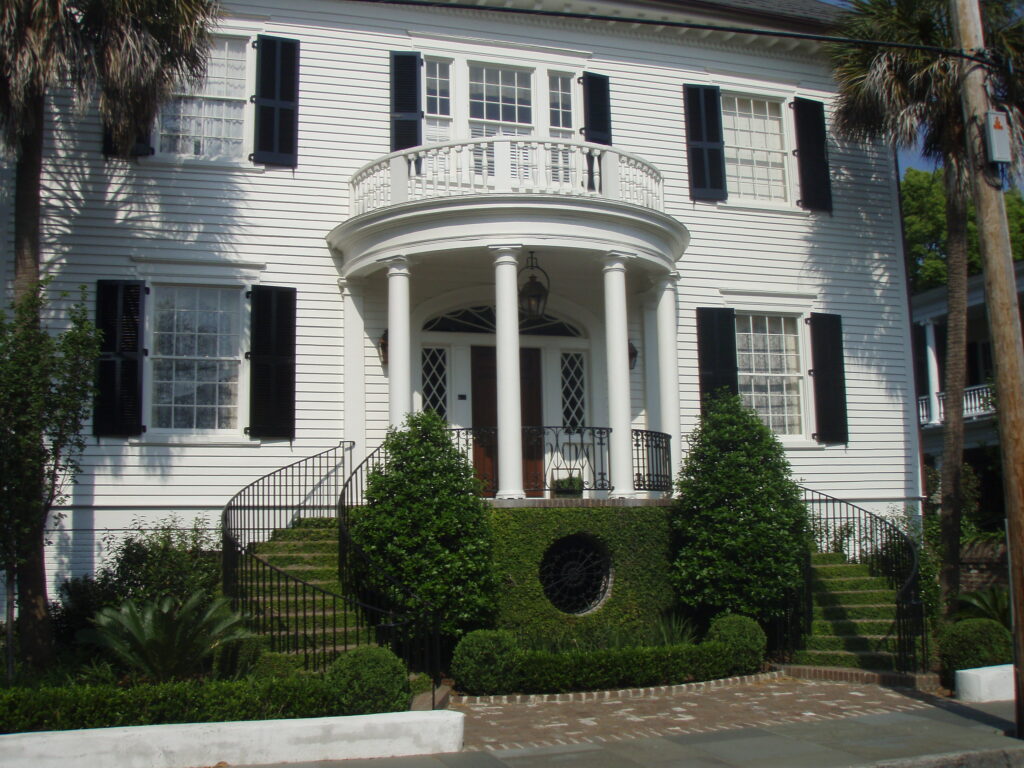
Historic Downtown Charleston is one of the most captivating and culturally rich destinations in the United States. Its beauty goes far beyond colorful architecture and cobblestone streets; it reflects centuries of triumph, resilience, and community pride. The city has endured wars, fires, earthquakes, hurricanes, and flooding—yet Charleston SC continues to stand strong, continually evolving while honoring its historic roots.
Because the city has survived so much and preserved so much, both residents and visitors quickly sense the pride Charleston locals feel. The history here is not tucked away behind museum glass; instead, it flows through the streets, gardens, churches, markets, and homes that define the Downtown Charleston Neighborhoods.
This expanded guide explores why Historic Downtown Charleston is such a unique, inspiring, and enjoyable place to visit—and, for many, an extraordinary place to call home.
A City Shaped by Its Past
Charleston’s long history includes some of the most important moments in the American story. From the early colonial period to the Revolutionary War, through the Civil War and into the preservation movement of the 20th century, Charleston has always held a central role in the nation’s narrative.
Historic Adversity, Lasting Strength
Over the years, Charleston has faced:
- The American Revolution
- The Civil War
- Multiple fires, including the Great Fire of 1861
- Earthquakes, including the major 1886 event
- Hurricanes
- Flooding and natural disasters
Despite these challenges, Historic Charleston stands today as an architectural time capsule—thoughtfully preserved, deeply appreciated, and continuously restored.
A Preservation Movement That Saved the City
The modern boundaries of Historic Downtown Charleston expanded significantly through preservation efforts beginning in the mid-20th century. Many buildings once threatened by deterioration or demolition were saved through the efforts of:

- The Historic Charleston Foundation
- The Preservation Society of Charleston
- Local historians and architects
- Passionate residents and community leaders
This renewed commitment encouraged revitalization north of the Crosstown and throughout the peninsula, restoring neighborhoods like Ansonborough, Wraggborough, Elliotborough, and North Central.
Today, renovation and preservation projects continue across the peninsula, strengthening Charleston’s identity and protecting its legacy for future generations.
Experiencing Historic Downtown Charleston
Visitors quickly discover that Historic Charleston offers countless ways to explore the city’s past and present. These experiences allow you to see Charleston through the eyes of its earliest residents, craftspeople, merchants, and maritime communities.
Carriage Tours: A Classic Historic Downtown Charleston Introduction
One of the most popular ways to experience Charleston is through a carriage tour. Riders enjoy:
- Entertaining stories
- Architectural insights
- Historical background
- Local traditions
- Access to areas cars cannot enter
For newcomers, this is often the perfect introduction to Historic Downtown Charleston.
Architecture That Feels Like a Living Museum
The city showcases a variety of architectural styles:
- Georgian
- Federal
- Greek Revival
- Italianate
- Charleston Single Houses
- Victorian influences
- Historic churches and landmarks
Homes with piazzas, pediments, wrought-iron gates, corbels, and intricate woodwork line the streets. Spanish moss drapes from grand oak trees, and the scent of jasmine floats through the air during spring.
Gardens, Gates & Quiet Courtyards
One of the most cherished Charleston experiences comes simply from observing the details:
- Secret courtyards
- Garden walls
- Historic plaques
- Wrought-iron balconies
- Hidden alleys
- Flower boxes
- Brick pathways
These features give Historic Downtown Charleston the charm and atmosphere that consistently leave a lasting impression.
Shopping, Dining & the Lifestyle of Historic Charleston
The lifestyle in Historic Downtown Charleston blends a deep respect for history with a thriving modern culture. Over the last 20 years, the peninsula has experienced tremendous growth, bringing nationally recognized chefs, boutique retailers, and locally owned businesses into the historic fabric.
King Street: Charleston’s Shopping & Lifestyle Corridor
King Street is divided into several districts within Historic Downtown Charleston, each offering a distinct experience:
Lower King — Antiques & Fine Goods
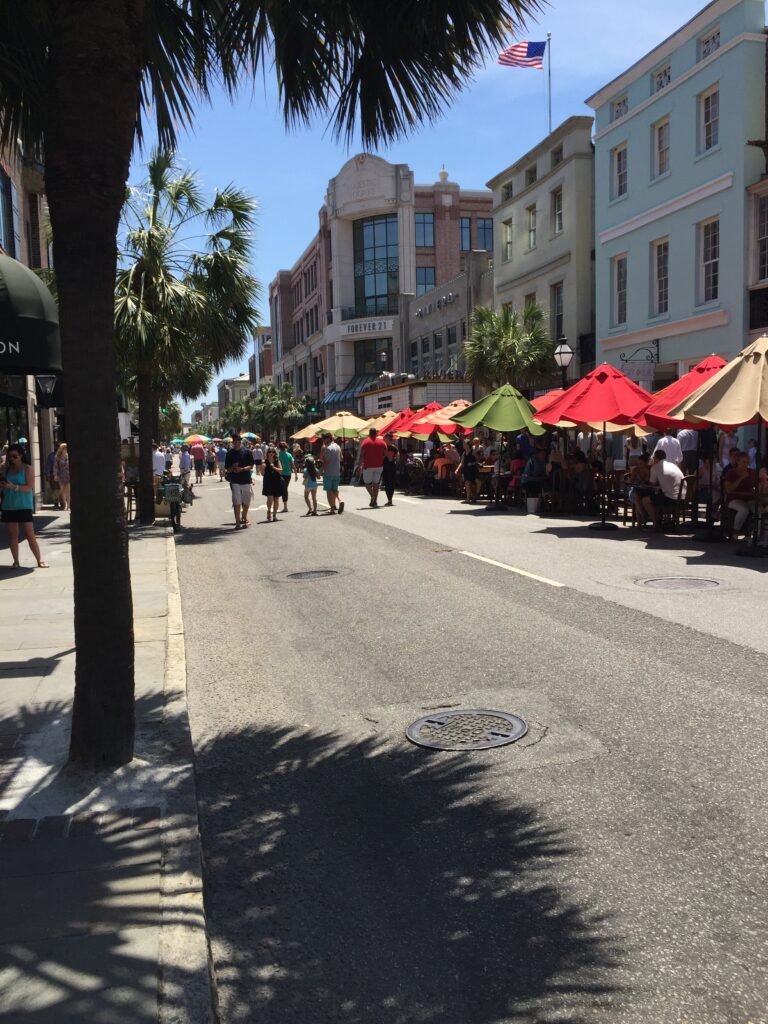
Below Market Street, Lower King is known for:
- Antique stores
- Home décor boutiques
- Art galleries
- High-end jewelry and specialty shops
Middle King — National Retail & Mixed Boutiques
Here, you’ll find familiar brands such as:
- Apple
- Sephora
- H&M
- Jos. A. Bank
Mixed with local boutiques, coffee shops, and long-established Charleston merchants.
Upper King — The Design & Dining District
Upper King has become the heart of Charleston’s modern restaurant scene. Known for its creative energy, this district includes:
- Cutting-edge restaurants
- Renovated storefronts
- Innovative bars and lounges
- Local boutiques
- Interior design studios
The area continues to grow with new concepts that complement the historic surroundings.
Historic Downtown Charleston’s Restaurant Scene
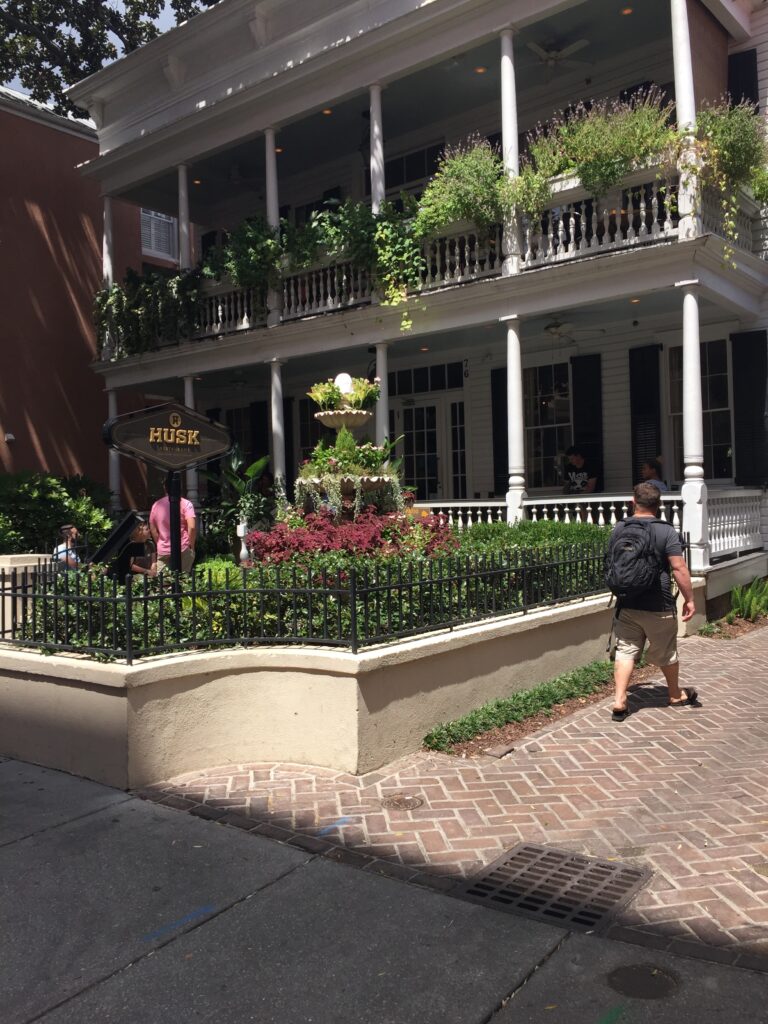
Charleston is widely recognized as one of the top culinary cities in America, attracting chefs who combine Southern tradition with modern creativity.
Some of the city’s most well-known establishments include:
- Husk — Celebrated for reimagined Southern cuisine
- Hall’s Chophouse — A beloved steakhouse on Upper King
- FIG — A James Beard Award–winning favorite
- S.N.O.B. — Slightly North of Broad, a long-time Charleston classic
- 82 Queen — Known for Lowcountry dishes and historic ambiance
Local cafés, bakeries, seafood markets, and small family-owned restaurants also define Charleston’s food culture. There is always something new to discover.
Why Historic Downtown Charleston Is Such a Unique Place to Live

There are few places in the country where history, culture, architecture, food, and lifestyle converge as seamlessly as they do in Downtown Charleston.
Residents enjoy:
A Deep Sense of Place
Charleston feels unlike any other city. Its preservation efforts, architectural beauty, and historic landscapes create a sense of identity that residents value deeply.
A Lifestyle Rooted in Community
Local events, festivals, neighborhood traditions, art shows, and seasonal celebrations bring people together throughout the year.
Easy Access to Culture
From museums to theater productions, performances at the Gaillard Center, and historic tours, the cultural calendar remains full year-round.
Architectural Diversity Across Neighborhoods
Whether someone prefers:
- Grand antebellum mansions
- Cozy Freedman’s Cottages
- Charleston Single Houses
- Townhomes
- Modern infill construction
- Condo living
—there is a neighborhood in Historic Charleston that matches their style.
A Blend of Old & New
Historic charm is paired with modern conveniences, making the area ideal for residents who appreciate both elegance and innovation.ities in Historic Downtown Charleston.
Frequently Asked Questions – Historic Downtown Charleston
Its blend of preserved architecture, cultural heritage, culinary excellence, waterfront scenery, and centuries-old history creates an unmatched atmosphere.
King Street shopping, restaurants, historic churches, carriage tours, gardens, museums, parks, and preserved neighborhoods across the Charleston peninsula.
Charleston Single Houses, historic mansions, cottages, townhomes, condos, and updated homes from various architectural periods.
Yes. Because the peninsula is limited in size and demand remains strong, properties in Historic Charleston generally hold long-term value.
South of Broad, Ansonborough, French Quarter, Harleston Village, Hampton Park Terrace, Wagener Terrace, Eastside, Westside, Radcliffeborough, North Central, Elliotborough/Cannonborough, and Wraggborough/Mazyckborough.

Authors
Bill Byrd and Waverly Byrd bring deep real estate expertise to clients throughout the Charleston area, drawing on years of hands-on experience with residential sales, investment property, relocation, and local market strategy. Their guidance is grounded in market knowledge, careful analysis, and a commitment to helping clients make well-informed real estate decisions.
As a father-and-daughter team, they work collaboratively on every transaction, combining experience, perspective, and consistent communication. Clients benefit from a coordinated approach that emphasizes preparation, clarity, and thoughtful execution at each stage of the buying or selling process across the Lowcountry.