
How does a 1031 exchange work when selling property in Charleston, South Carolina?
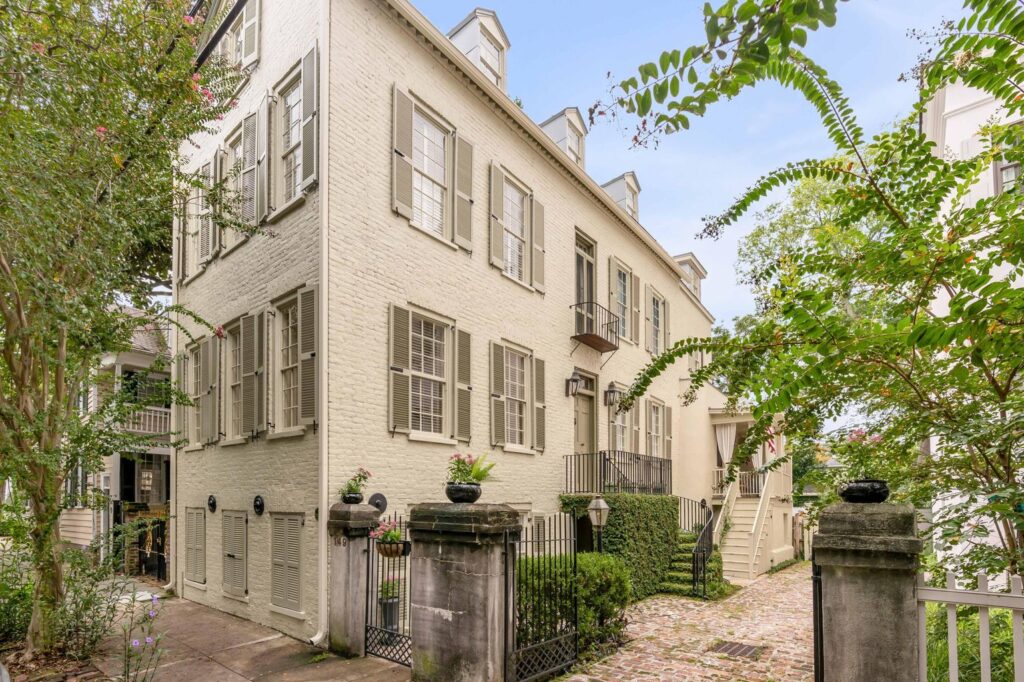
A 1031 exchange in Charleston allows you to defer capital gains taxes when selling an investment property, as long as you reinvest the proceeds into another qualifying property. The process follows strict IRS timelines and rules, so working with a trusted local real estate wealth advisor like Bill Byrd helps ensure compliance and maximize your financial outcome.
Understanding the Basics of a 1031 Exchange
If you’re considering selling an investment property in Charleston and wondering how a 1031 exchange works, you’re in the right place. The 1031 exchange is a proven strategy for building long-term real estate wealth. The name comes from Section 1031 of the Internal Revenue Code, which allows property owners to defer capital gains taxes by exchanging one “like-kind” investment property for another of equal or greater value.
“Capital Gains Tax is the biggest impediment to growing generational wealth”.
Why Charleston Investors Use 1031 Exchanges
Charleston’s real estate market offers a wide range of investment opportunities, historic homes, waterfront estates, entry-level rental neighborhoods, and even trailer parks throughout the Tri-County area.
As property values have risen steadily over the last two decades, investor activity has also increased. According to the Charleston Trident Association of REALTORS®, the median sales price for a single-family home climbed from $163,800 in 2004 to $424,300 in 2025, a gain of more than 160%.
For local investors, that kind of appreciation often means substantial taxable gains when selling, making a 1031 exchange especially attractive.
Do you know your investment properties current Cap Rate? You may be surprized!
Step-by-Step: How a 1031 Exchange Works in Charleston
Before starting a 1031 exchange, planning is critical. Meeting with Bill Byrd before listing your property can help ensure success. Here’s a simple outline of the five key steps:
- Pre-Exchange Planning – Build your team early by setting up a strategy session with Bill Byrd to discover what needs to be done in your unique situation. This usually includes a Qualified Intermediary, your accountant, your financial planner, and an attorney. Begin searching for possible replacement properties now.
- List and Sell Your Investment Property – Once you close on your property, the exchange timelines begin. Step up your search for replacement options. “Like-kind” is broadly defined and can include a downtown rental, a large Johns Island tract of land, or a Mount Pleasant duplex.
- Close the Sale of the Relinquished Property – IRS rules require using a Qualified Intermediary to hold your proceeds. From this point, you have 45 days to identify one or more replacement properties under one of three rules: the Three-Property Rule, the 95% Rule, or the 200% Rule.
- Identify and Secure Your Replacement Property – You must formally identify your chosen replacement property or properties before the 45th day.
- Close on the Replacement Property – The transaction must be completed within 180 days. Your CPA will help file IRS Form 8824 to report the exchange.
Avoiding Common 1031 Exchange Mistakes in Charleston
Investors who don’t fully understand the rules can easily make costly errors. IRS guidelines are strict and must be followed precisely.
- Missing the 45-day identification or 180-day closing deadlines
- Failing to use a Qualified Intermediary
- Trying to exchange a property that doesn’t qualify (such as a primary residence)
- Closing on your relinquished property before you’ve set up your exchange.
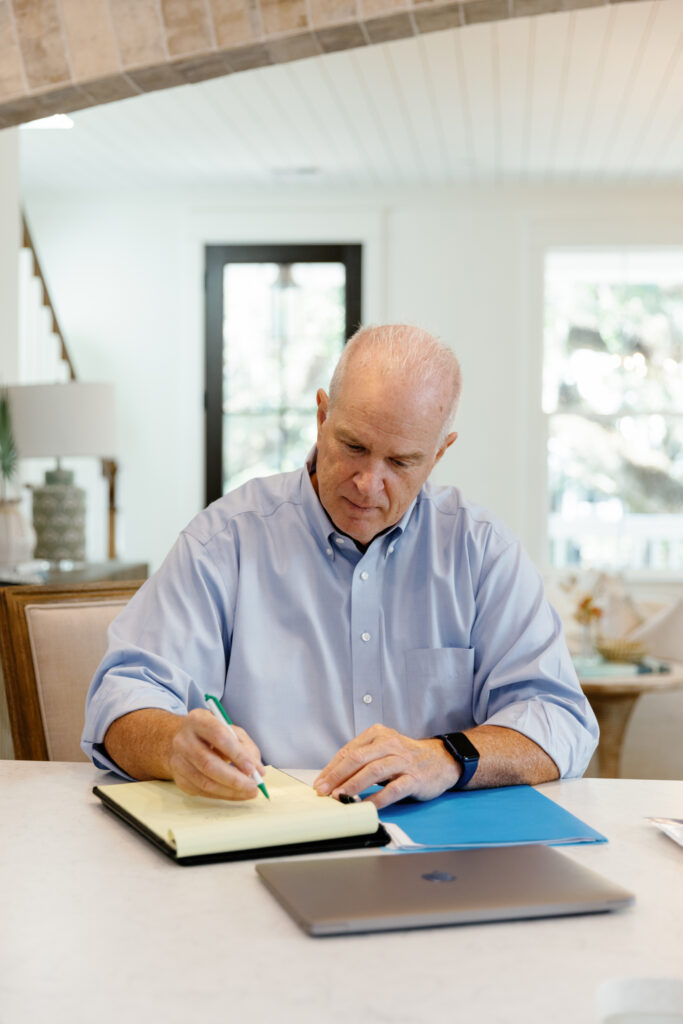
Bill Byrd: Your Charleston 1031 Exchange Resource
Bill Byrd is a Certified Keller Williams Real Estate Planner and has been a trusted advisor for many years to a number of successful real estate investors. With decades of experience in residential, land, and investment real estate, Bill has guided countless clients through complex processes like 1031 exchanges. Whether you’re selling a historic downtown property, acreage on Wadmalaw Island, or a rental properties in North Charleston, Bill provides strategic advice and can connects you with other trusted tax and legal professionals when needed.
In addition to working directly with clients, Bill teaches real estate agents across South Carolina, North Carolina, and Virginia about IRC Section 1031, further demonstrating his expertise and commitment to real estate education.
Important Professional Note
This article is for educational purposes only. It is not legal, tax, or financial advice. Always consult with a licensed CPA, tax advisor, or attorney before making decisions about a 1031 exchange. The Code
Ready to Explore a 1031 Exchange in Charleston?
If you’re planning to sell an investment property in Charleston, reach out to Bill Byrd at 843-972-7670. Bill’s deep knowledge of the Charleston real estate market, from Awendaw to Edisto and from the Sea Islands to I-95, Bill can help you make informed decisions that align with your financial goals. Schedule your personalized 1031 consultation today.
1031 Frequently Asked Questions
A 1031 exchange allows Charleston real estate investors to sell an investment property and reinvest the proceeds into another qualifying “like-kind” property while deferring capital gains taxes. The process must follow strict IRS rules, including required timelines and the use of a Qualified Intermediary.
Most real property held for investment or business use qualifies, including rental homes, multi-family properties, commercial buildings, and investment land. Primary residences and properties held primarily for resale do not qualify under IRS guidelines.
After closing on the sale of your investment property, you must identify replacement property within 45 days and complete the purchase within 180 days. Missing either deadline will disqualify the exchange and make the gain taxable.
Because Charleston has experienced strong long-term appreciation, selling investment property often triggers significant capital gains taxes. A 1031 exchange allows investors to defer those taxes and keep more equity working in properties throughout the Charleston area or beyond.
Investors should work with a Qualified Intermediary and experienced advisors, including a CPA and attorney. Many Charleston investors also consult with Bill Byrd, a Certified Keller Williams Real Estate Planner and Real Estate Wealth Advisor to help coordinate the process and align the exchange with their long-term investment goals.


About the Authors
Bill Byrd and Waverly Byrd serve clients throughout the Charleston area as Real Estate Wealth Advisors, helping individuals and families navigate complex property decisions connected to life transitions and long-term planning. Their work often involves, tax-advantaged 1031 exchanges, probate and estate property sales, divorce-related real estate solutions, trusts, and senior relocation, situations where informed coordination and careful timing can significantly impact outcomes.
With decades of experience, Bill and Waverly emphasize education, clarity, and collaboration. They regularly work alongside financial planners, tax professionals, and attorneys to help clients understand their options and align real estate decisions with broader financial and estate planning goals. As a father-and-daughter team, they guide clients through sensitive transactions with discretion, organization, and a steady, well-informed approach across the Lowcountry.