
How Informed Decisions Can Increase Buyer Interest and Final Sale Price
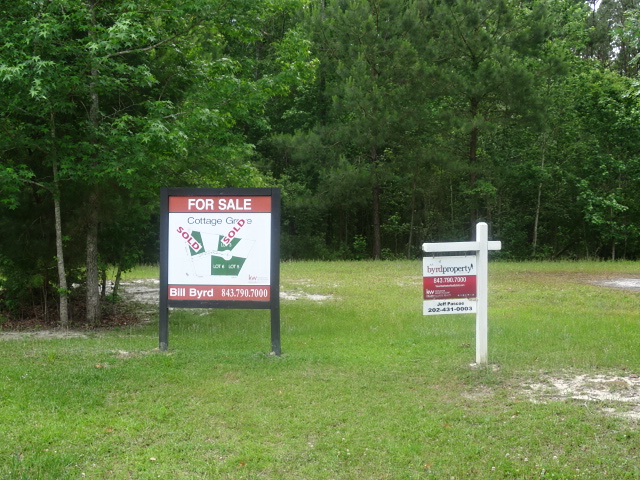
Selling land is very different from selling a home. Buyers are not only evaluating price—they are evaluating risk, uncertainty, and future cost. If those concerns are not addressed upfront, buyers will either walk away or submit lower offers.
The goal, therefore, is simple: remove objections before they arise. When buyer uncertainty is reduced, confidence increases. When confidence increases, offers improve.
The guidance below reflects proven best practices used by experienced land professionals. Not every step applies to every property. However, the more buyer concerns you remove in advance, the more leverage you create when negotiating price and terms.
Before You Put Your Land on the Market
Clean and Prepare the Site
Land should be presented as builder-ready whenever possible. Any trash, abandoned vehicles, equipment, or unusable structures should be removed before listing. Buyers expect a clean slate, and anything they must remove later is almost always reflected as a price reduction.
Even small improvements—such as clearing debris or removing unsafe structures—can significantly improve buyer perception and shorten market time.
Pro Tip: Every item left behind becomes a negotiation tool for the buyer.
Get a Survey and Clearly Mark Property Corners
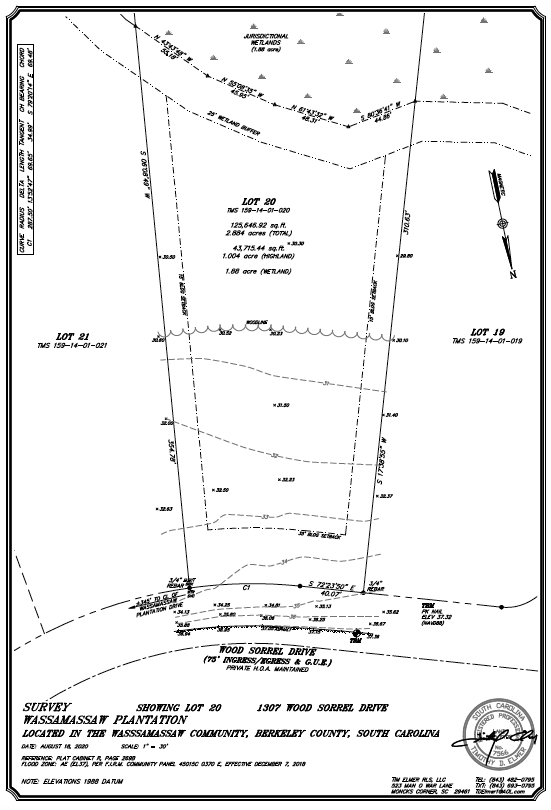
If you do not already have a recent survey, ordering one is strongly recommended. A survey should clearly identify boundaries, setbacks, wetlands, and any protected trees. In addition, corners should be visibly marked in the field.
Buyers want to walk the land and understand its size and shape. When boundaries are unclear, hesitation follows.
Pro Tip: Re-mark survey pins with visible PVC markers so corners are easy to see during showings.
Provide Easy and Safe Access
If buyers cannot safely stop, park, and walk the property, interest will be lost. Easy access allows buyers to visualize improvements, evaluate topography, and feel confident about future use.
Access also impacts signage visibility. If buyers cannot safely read your sign or gather information, they may never inquire.
Clear Paths to Showcase the Land
Overgrown land creates uncertainty. At a minimum, paths should be cleared along boundaries and through the center of the property. Ideally, the lot should be opened enough to allow buyers to comfortably walk and visualize potential building sites.
While clearing may require upfront expense, it is often recovered—and exceeded—through higher offers and faster sales.
Confirm Utility Availability
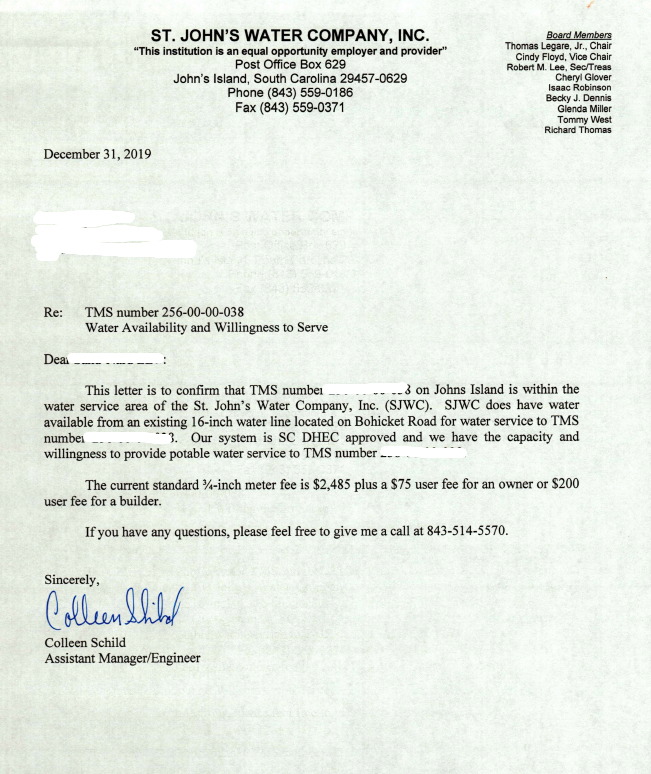
Utility uncertainty is one of the biggest reasons buyers hesitate. Prior to listing, confirm water and sewer availability with local providers. If public services are not available, obtain soil evaluation information and well cost estimates where applicable.
Buyers tend to overestimate utility costs. Providing accurate information prevents inflated assumptions that lead to lower offers.
Test Soil Bearing Capacity
Although optional, soil testing can be a powerful value enhancer…especially for higher-end homes. Builders need to know what type of foundation the soil will support. When this information is unknown, buyers often demand price concessions.
A bearing capacity test or full geotechnical report provides clarity and reduces fear.
Pro Tip: Knowing soil limitations upfront allows you to price and disclose strategically instead of reacting during negotiations.
Positioning Your Land for Top Dollar

Understand Zoning and Highest & Best Use
Zoning determines what can—and cannot—be done with your land. Understanding density, subdivision potential, and permitted uses is critical to proper pricing.
Land is often worth more based on what it can become, not just what it is today. Failing to understand this can result in leaving significant money on the table.
Have HOA and ARB Documents Ready
If your property is subject to a Homeowners Association or Architectural Review Board, current documents should be readily available. Buyers and agents need easy access to these materials to evaluate building requirements.
Providing documents upfront helps buyers move forward faster and with fewer delays.
Secure Dock Permits for Waterfront Property
For waterfront land, a dock permit can be a major value driver. Buyers who value water access do not want to wait through lengthy approval processes.
Having permits secured in advance reduces due diligence timelines and eliminates another reason for buyers to discount their offer.
Price the Land Correctly from the Start
Overpricing land almost always leads to longer market time and eventual price reductions. Buyers today have access to comparable sales and market data. If pricing feels unrealistic, they simply move on.
Accurate pricing creates interest, momentum, and—in some cases—competitive offers.
Pro Tip: Proper pricing often results in stronger final sale prices than starting high and reducing later.
Why Experience Matters When Selling Land
Land transactions involve zoning, utilities, environmental considerations, and future development risk. Many buyers are unfamiliar with these issues and must learn during the process, which can cause delays or failed contracts.
Working with a land specialist—such as Byrd Property Group—helps anticipate challenges, guide buyers, and protect value throughout the transaction.
Our role is to simplify the process, educate buyers, and position your property to achieve its strongest possible result.
Frequently Asked Questions About Selling Land
Market time varies based on location, zoning, pricing, and preparation. Properly prepared and accurately priced land typically sells faster.
While not always required, a survey significantly improves buyer confidence and reduces disputes during due diligence.
In some cases, yes. Clear access and visibility allow buyers to better evaluate the property and often lead to higher offers. At a minimum clear access paths to prospective buyers can easily walk the property.
Allways no. Overpriced land receives less attention and often sells for less after extended market time. There are no “suckers from the north” anymore! The only thing overpricing does, is it takes you longer to get your money!
Yes. A professional land market analysis helps establish a realistic price range based on current data and buyer behavior.
Learn how to position your property for the strongest possible sale.

Authors
Bill Byrd and Waverly Byrd bring extensive experience to clients buying land and planning new construction in the Charleston area. Bill has been helping clients purchase land and build homes since 1986 and has personally built several homes himself, giving clients practical insight into land selection, site considerations, and the building process.
Working together as a father-and-daughter team, Bill and Waverly guide buyers through evaluating lots, understanding local considerations, and selecting the right builder and approach for their goals. Their combined experience helps clients avoid costly mistakes, save time, and move forward with confidence when planning and building a home in the Lowcountry.