
Helping Homeowners and New Residents Prepare With Confidence
Hurricane Preparation In Charleston is not a one-time task—it is an ongoing, seasonal responsibility that becomes part of everyday coastal living. Each year, residents across the Lowcountry prepare for hurricane season in different ways. Some rely on long-established routines shaped by past storms, while others—especially those new to the area—benefit from clear guidance and planning.
Living along the South Carolina coast means understanding that tropical systems are a normal part of life. While many storms never make landfall, preparation should never be reactive. Instead, a proactive and thoughtful approach helps protect your family, your home, and your long-term investment.
Hurricane season officially runs from June 1 through November 30, with historical peak activity occurring in early to mid-September. However, storms can form and intensify at any point during the season. That is why hurricane preparation is best handled well before forecasts begin dominating the news.
Understanding Hurricanes and Coastal Risk
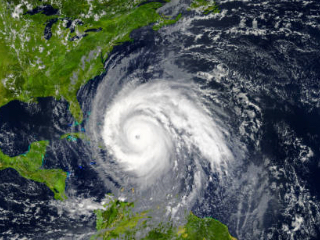
Hurricanes are powerful tropical systems that develop over warm ocean waters. Once sustained winds reach 74 miles per hour, a tropical storm is classified as a hurricane. These storms rotate around a defined center known as the eye and can impact coastal communities through a combination of wind, rain, and water.
While wind damage often receives the most attention, storm surge is frequently the most destructive force in coastal areas like Charleston. Storm surge occurs when strong onshore winds push ocean water inland, raising water levels and producing large, damaging waves. Even storms that do not make a direct landfall can create significant flooding and erosion.
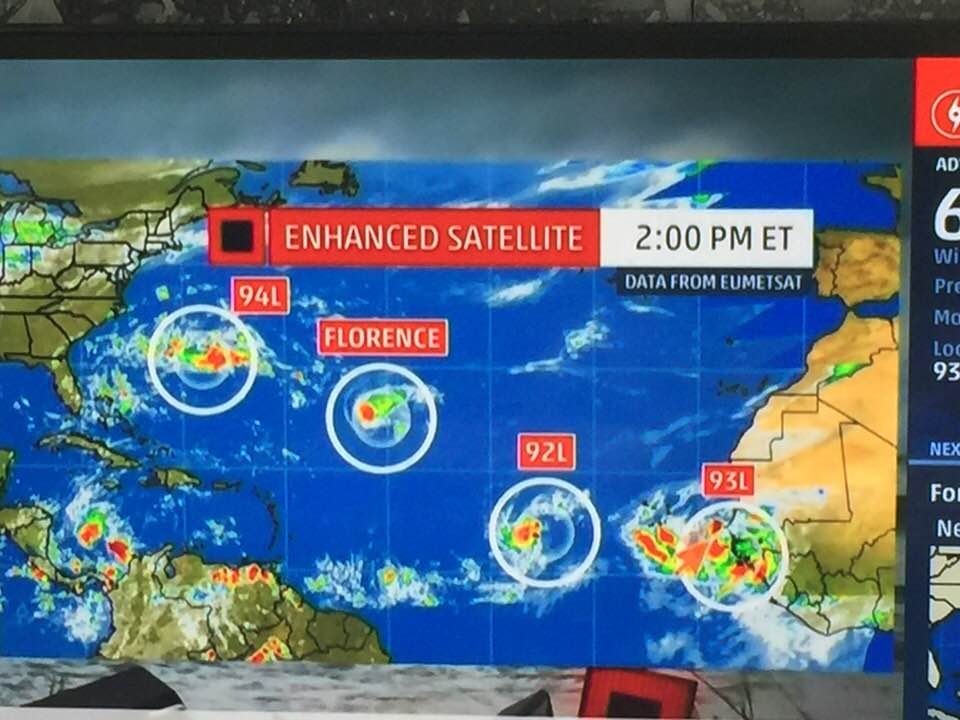
Hurricanes are named using pre-designated alphabetical lists managed by the World Meteorological Organization, which helps streamline communication and forecasting across regions.
For additional storm science and real-time explanations, many residents monitor updates from The Weather Channel.
Why Early Hurricane Preparation Matters
One of the most important principles of Hurricane Preparation In Charleston is timing. Once a storm is approaching the coast, supply shortages, traffic congestion, and limited services can complicate even simple tasks. Preparing early allows decisions to be made calmly and carefully.
Advance preparation also provides time to:
- Review insurance coverage and documentation
- Secure your home against wind and water
- Establish family communication plans
- Understand evacuation procedures
- Reduce stress during active storm periods
Preparation is not about predicting the next storm—it is about being ready no matter what the season brings.
Review Flood Insurance and Coverage
Flooding associated with hurricanes is not covered under standard homeowners insurance policies. Flood insurance is typically available through the National Flood Insurance Program and private carriers. Importantly, new flood insurance policies often include a waiting period before coverage becomes effective.
Because flood risk can exist outside traditionally mapped flood zones, reviewing coverage annually is strongly recommended. If you need guidance, working with experienced local insurance professionals can help clarify coverage options and risk exposure.
Create a Family Communication Plan
Storms often disrupt normal routines, and family members may be separated when an emergency occurs. A clear communication plan helps everyone know what to do if cell service is limited or local travel is restricted.
A strong plan typically includes:
- An out-of-area contact person for check-ins
- Written contact information for all household members
- Agreed-upon meeting points if evacuation occurs
- Awareness of emergency alerts and broadcasts
Planning these details ahead of time reduces confusion and improves safety during stressful situations.
Assemble an Emergency Supplies Kit
Following a major storm, emergency services may be delayed due to road damage or infrastructure issues. It is often recommended that households be prepared to be self-sufficient for at least 72 hours.
An emergency supplies kit may include:
- Drinking water and non-perishable food
- Flashlights, batteries, and portable chargers
- Medications and first-aid supplies
- Important documents stored securely
- Supplies for pets and special needs
Keeping kits refreshed each season ensures nothing is missing when it matters most.
Prepare Your Home Before the Storm Season
Home preparation should be completed long before a storm is approaching. Once severe weather arrives, it is usually too late to implement meaningful protective measures.
Preparation steps may include:
- Inspecting roof coverings and fasteners
- Securing outdoor items that could become airborne
- Evaluating shutters or window protection systems
- Ensuring proper drainage around the home
- Reviewing local building codes and flood mitigation options
Some improvements are simple and low-cost, while others may require professional guidance. The right approach depends on your home’s design, elevation, and location.
Trusted Local Hurricane Resources

One of the most comprehensive and locally relevant resources is provided by Charleston County. Their Hurricane Preparedness Guide offers evacuation maps, shelter information, and practical checklists tailored specifically to the Lowcountry.
Staying informed through reliable local sources is one of the most effective ways to reduce risk.
Hurricane Preparation and Coastal Real Estate
For homeowners, hurricane readiness is not just about safety—it is also about protecting property value. Homes that are well-maintained, properly insured, and thoughtfully prepared tend to weather storms better and recover more efficiently afterward.
At Byrd Property Group, we regularly help clients understand how storm preparedness, flood zones, and insurance considerations impact both ownership and long-term planning.
Frequently Asked Questions About Hurricane Preparation In Charleston
Hurricane season runs from June 1 through November 30 each year.
Storm surge and flooding often cause more damage than wind in coastal areas.
Evacuation decisions depend on storm strength, location, and official guidance from local authorities.
Flood damage is typically excluded and requires separate flood insurance coverage.
Charleston County provides updated evacuation routes and shelter details through its preparedness guide.
No one ever plans to fail, they fail to plan!
Concerned about flood zones, insurance, or protecting your investment?

Authors
Bill Byrd and Waverly Byrd bring deep real estate expertise to clients throughout the Charleston area, drawing on years of hands-on experience with residential sales, investment property, relocation, and local market strategy. Their guidance is grounded in market knowledge, careful analysis, and a commitment to helping clients make well-informed real estate decisions.
As a father-and-daughter team, they work collaboratively on every transaction, combining experience, perspective, and consistent communication. Clients benefit from a coordinated approach that emphasizes preparation, clarity, and thoughtful execution at each stage of the buying or selling process across the Lowcountry.