
A Historic Neighborhood Rich in Culture and Coastal Beauty
The French Quarter in Charleston SC stands as one of the most distinctive and culturally significant neighborhoods on the Charleston peninsula. Although its official designation dates to 1973, its history stretches back to the earliest decades of the city. The name honors the French Huguenots who arrived in the 18th and 19th centuries and played an important role in shaping Charleston’s architecture, economy, and maritime culture.
Today, the French Quarter blends historic preservation, coastal charm, and artistic energy. Because the neighborhood sits at the heart of Historic Charleston, it continues to attract residents and visitors who appreciate history, galleries, churches, waterfront views, and centuries of stories woven into its streets.
French Quarter Homes For Sale


Where the French Quarter Began

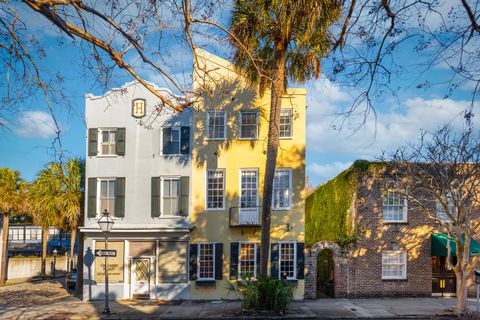
Before the French Quarter received its official name, the area already held deep historical roots. Records from early Charleston show that numerous French residents settled here during the colonial era. They built homes, opened businesses, and gradually helped create the cultural foundation that Charleston is still known for today.
The neighborhood stretches from the Charleston City Market to Broad Street, and from Concord Street to Meeting Street. This part of the city contains some of the oldest streets, alleys, and structures on the peninsula. As Charlestonians began preserving more of their historical architecture in the 20th century, this area received special recognition as the “French Quarter.”
The Story of Lodge Alley
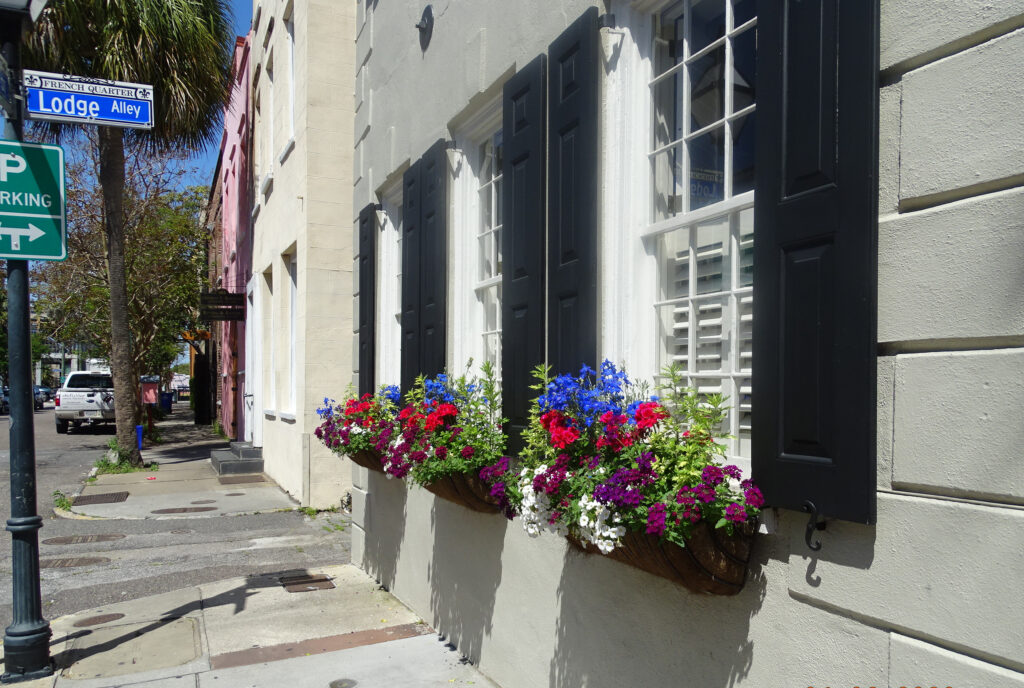
One key reason for the neighborhood’s modern designation came from efforts to protect Lodge Alley, one of Charleston’s oldest surviving alleys. In the early 1970s, several of the alley’s buildings faced demolition for condo development. At that time, these structures had not yet been listed on the National Register of Historic Places, making them especially vulnerable.
The Save Charleston Foundation purchased the buildings and transferred them to a developer committed to preservation. These renovations helped spark new appreciation for the neighborhood’s heritage and led to its formal naming as Charleston’s French Quarter in 1973. Because of this turning point, many early buildings that might otherwise have been lost now stand restored, allowing the neighborhood’s history to endure.
French Quarter Lifestyle
A Distinctive Lifestyle Rooted in History and Culture. The French Quarter is one of the most admired areas of Downtown Historic Charleston, known for charm, art, architecture, and access to multiple cultural landmarks. Although the neighborhood is compact in size, it offers remarkable depth in character.
Historic Streets and Architectural Treasures
Throughout the French Quarter, you’ll notice narrow streets paved with cobblestone or ballast stone, materials once used as stabilizers in ships arriving in Charleston Harbor. These touches connect the neighborhood directly to its maritime history.
Here, you’ll also discover:
- Preserved 18th- and 19th-century homes
- Art galleries
- Churches dating back to colonial Charleston
- Charming alleyways
- Historic inns and boutique lodging
- Courtyards framed by wrought iron and brick
Each turn brings something visually interesting, whether it’s a steeple rising in the distance or a historic façade that has stood for generations.
Landmarks That Define the French Quarter
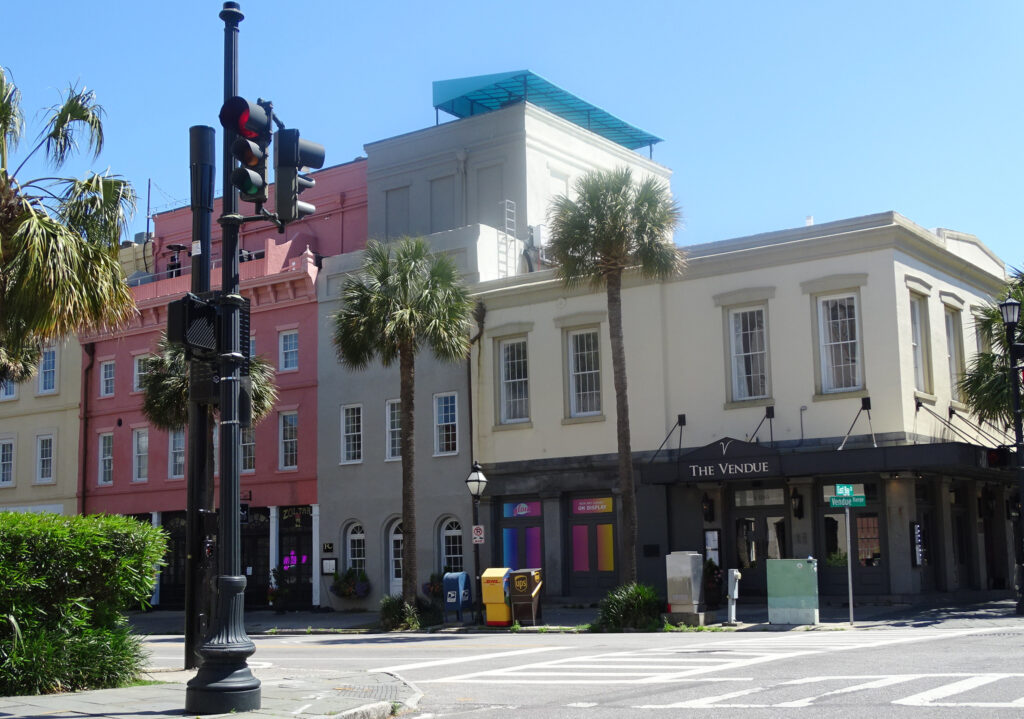
Several well-known sites add to the neighborhood’s distinctive character:
- Waterfront Park with its iconic Pineapple Fountain
- Washington Park, one of Charleston’s most photographed greenspaces
- St. Philip’s Church, one of the city’s most recognizable structures
- The Dock Street Theatre, America’s first theatre
- The French Huguenot Church, a striking Gothic Revival landmark
- The Vendue, Charleston’s art hotel
- The Old Slave Mart Museum
These destinations keep the area active throughout the day. Tour guides share stories with visitors, local artists display their work, and the neighborhood fills with the steady rhythm of daily life.
Local Dining and Coastal Energy
Because the French Quarter sits close to the Charleston Cruise Terminal, restaurants and shops often see steady activity. Local dining establishments range from long-loved Charleston institutions to modern spots that draw in both locals and travelers. As a result, the French Quarter brings together a blend of historic ambiance and contemporary flavor.
Architecture and Style in the French Quarter
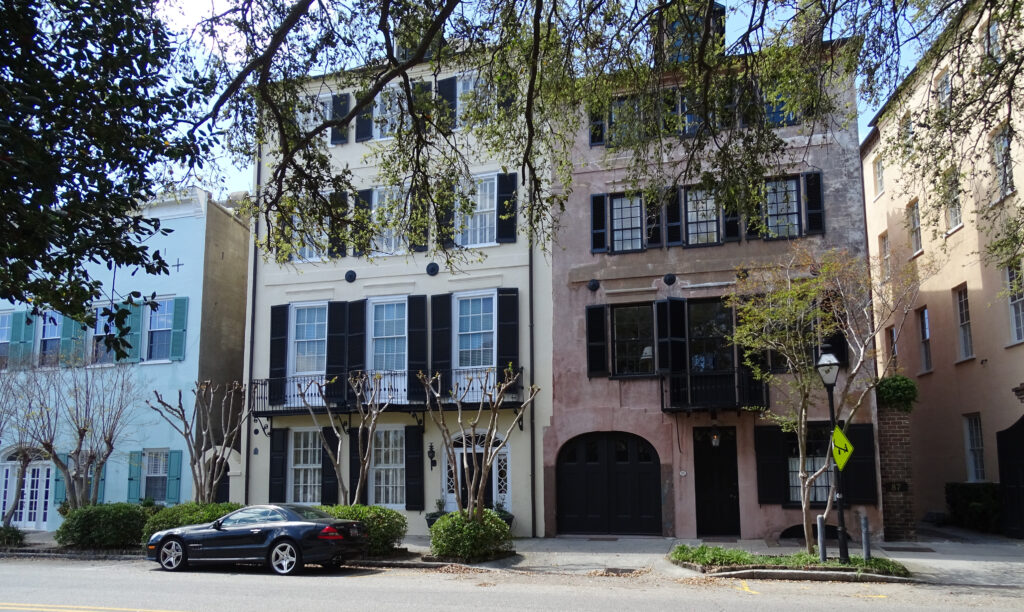
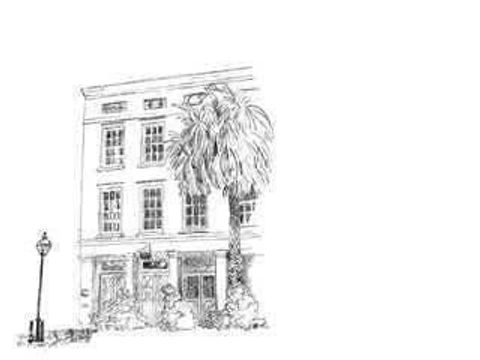
The French Quarter showcases one of the most varied collections of architectural styles in Charleston. While some buildings feature classic Georgian or Federal details, others display French, Caribbean, and English influences.
You’ll notice:
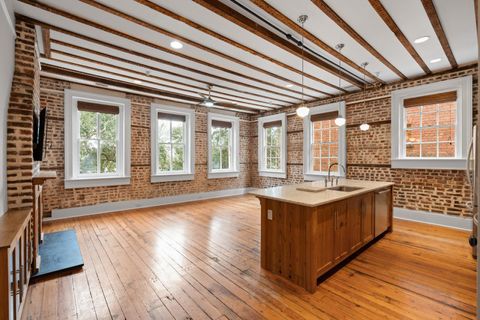
- Multi-story brick homes with tall windows
- Colorful stucco facades
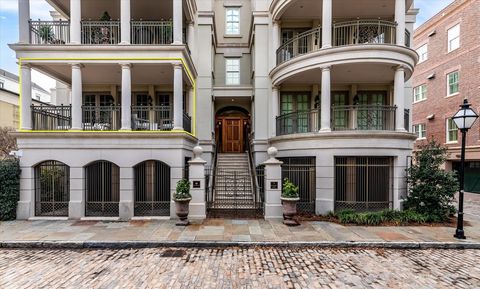
- Ornate gates and decorative ironwork
- Private gardens behind hidden entries
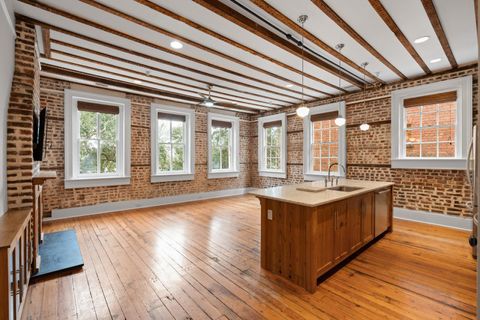
- Restored loft spaces and former warehouses
- Condos converted from historic commercial buildings
This broad architectural mix creates a dynamic, engaging environment. Residents often appreciate the ability to live in a home that reflects Charleston’s layered past while enjoying modern amenities inside.
Real Estate in the French Quarter
Properties in the French Quarter tend to be highly valued, especially because the neighborhood contains a limited number of residential buildings. Buyers can choose from:
- Condos in restored historic buildings
- Townhomes with architectural character
- Elegant single-family residences
- Luxury loft-style units
- Homes near Waterfront Park
- Properties close to art galleries and theatres
Because the neighborhood appeals to those who want a unique living experience in Historic Charleston, prices here often reflect the area’s rarity and cultural importance.
Purchasing in the French Quarter is ideal for individuals seeking a distinctive home, a connection to Charleston’s past, and a location near many of the city’s most loved attractions.
Experiencing the French Quarter
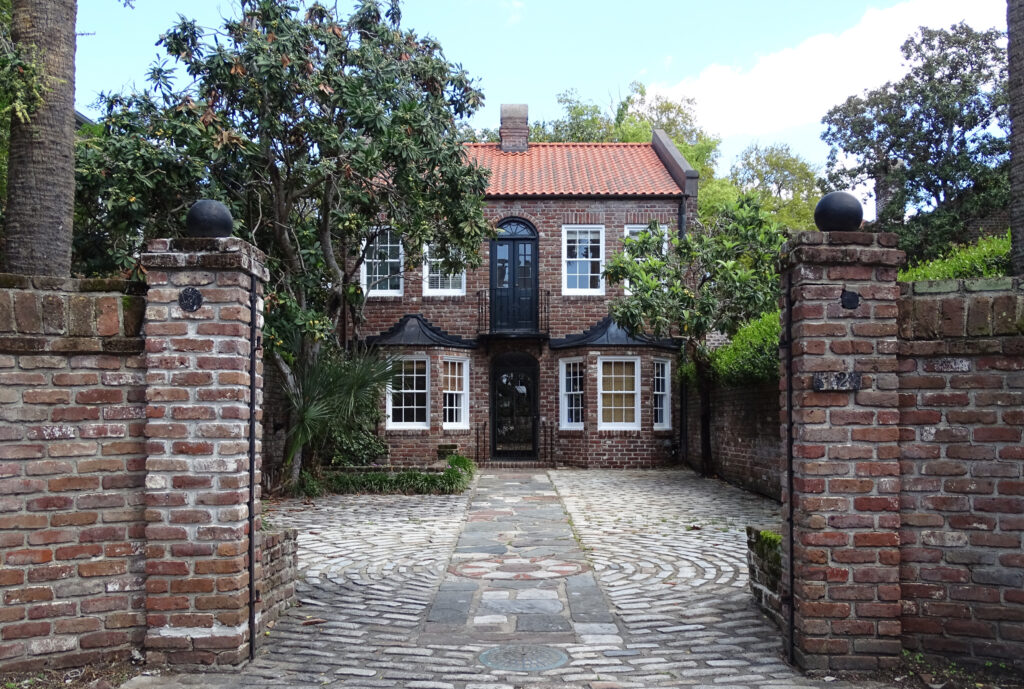
Spending time in the French Quarter offers an engaging blend of history, scenery, and atmosphere. Many people visit to browse art galleries, enjoy local events, explore museums, or take in views of the Charleston Harbor from Waterfront Park. Others come for the architecture and cobblestone streets that have become iconic Charleston images.
Tour groups carry stories of pirates, merchants, early settlers, and the city’s growth. Meanwhile, local businesses provide a steady rhythm of energy throughout the day—from morning coffee spots to evening dining experiences.
Because the neighborhood sits near so many cultural and historic sites, residents enjoy the benefits of Charleston’s rich heritage right outside their front door.
Is the French Quarter Right for You?
If you love architecture, history, arts, and coastal scenery, the French Quarter may be the perfect fit. The area attracts those who appreciate charm and culture, and the housing options offer something distinctive for buyers looking for a one-of-a-kind home.
Whether you’re exploring condos, restored homes, or your first place in Historic Charleston, the French Quarter provides an atmosphere unlike any other neighborhood in the city.
When you’re ready to explore properties, you can review current listings and reach out to schedule a private viewing. With an experienced real estate advisor, you can find a home that fits your lifestyle and gives you a meaningful place in Charleston’s history.
👉 Go Back To Read About The Other 11 Boroughs in Historic Charleston
Frequently Asked Questions – French Quarter
The French Quarter is known for its preserved historic architecture, art galleries, churches, Waterfront Park, and strong cultural and maritime heritage.
The neighborhood extends from the Charleston City Market to Broad Street, and from Concord Street to Meeting Street on the Charleston peninsula.
Yes. The area includes some of the oldest buildings in Charleston and reflects the influence of early French residents from the 18th and 19th centuries.
Buyers can find condos, lofts, townhomes, historic residences, and luxury properties—many within restored or converted buildings.
Popular sites include Waterfront Park, St. Philip’s Church, the Dock Street Theatre, the French Huguenot Church, and Lodge Alley.

Authors
Bill Byrd and Waverly Byrd bring deep real estate expertise to clients throughout the Charleston area, drawing on years of hands-on experience with residential sales, investment property, relocation, and local market strategy. Their guidance is grounded in market knowledge, careful analysis, and a commitment to helping clients make well-informed real estate decisions.
As a father-and-daughter team, they work collaboratively on every transaction, combining experience, perspective, and consistent communication. Clients benefit from a coordinated approach that emphasizes preparation, clarity, and thoughtful execution at each stage of the buying or selling process across the Lowcountry.