
Turn Your Dirt Into Dollars: 16 Reasons Selling Land Can Transform Your Family’s Future
Owning land can feel reassuring. After all, dirt has always been viewed as something solid, permanent, and dependable. In some cases, holding land can be a good long-term investment. However, for many landowners, holding property too long quietly limits opportunity rather than creating it.
Turning your dirt into dollars is often the smarter financial move, especially when land equity can be repositioned into assets that generate income, reduce risk, and support your family’s long-term goals.
Right now, your land holds the key to financial flexibility and future security. What matters most is understanding how to unlock that value responsibly and strategically.
Below are 16 reasons why selling land…and reinvesting wisely…can be one of the most important financial decisions your family ever makes.
Why Turning Dirt Into Dollars Deserves Serious Consideration
Land ownership is not free. While dirt may feel passive, it carries real costs, hidden risks, and missed opportunities. By contrast, converting land equity into liquid capital creates choices…choices that can fund income, retirement, education, diversification, and legacy planning.
Let’s explore why.

16 Reasons to Turn Your Dirt Into Dollars
1. Dirt Has No Usable Value Until It Is Sold or Leveraged
Land may appreciate over time, but appreciation alone does not pay bills or fund life goals. Until land is sold…or properly leveraged…it remains an illiquid asset.
Liquidity creates options. Options create freedom.
2. Proceeds From Land Sales Can Create Lifetime Income
When land is sold strategically, the proceeds can be invested into income-producing assets such as rental property, diversified real estate portfolios, or tax-efficient investment structures.
With proper planning, one land sale can support decades of cash flow for a family.
3. Holding Land Comes With Opportunity Cost
Opportunity cost is often invisible…but powerful.
Money tied up in land cannot be used elsewhere. That means potential income, diversification, and growth opportunities are quietly lost each year the property sits unused.
Selling converts stagnant equity into productive capital.
4. Land Ownership Carries Ongoing Expenses
Even vacant land comes with costs:
- Property taxes
- Insurance (in many cases)
- Maintenance or clearing
- Legal and administrative exposure
These costs reduce overall return and increase long-term risk.
5. Selling Land Is More Complex Than Many Owners Expect
Land is not sold the same way homes are sold. Zoning, access, utilities, wetlands, density, and future use all affect value.
Without expert representation, many sellers unknowingly leave significant money on the table.
Developers and Builders: Why Representation Matters
6. Builders and Developers Rarely Pay Top Dollar to Unrepresented Sellers
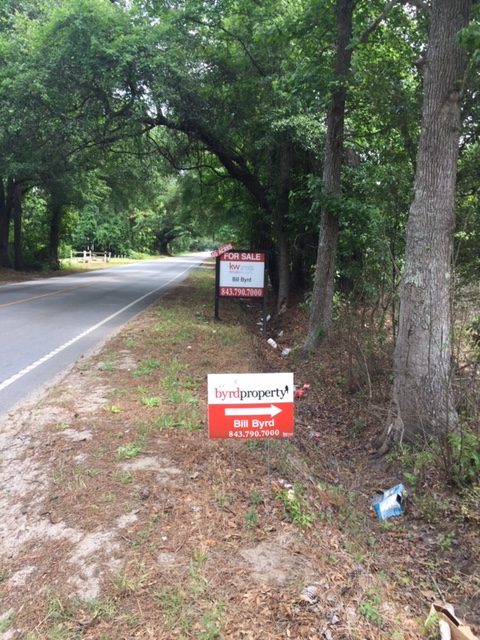
When buyers approach landowners directly, their goal is typically to control the deal…not maximize the seller’s outcome.
Professional representation shifts leverage back where it belongs: with the owner.
7. Sophisticated Buyers Use Representation…So Should You
The highest-paid professionals in the world rely on expert negotiators. Real estate should be no different.
Landowners deserve the same level of strategic advocacy when negotiating contracts that may define their financial future.
8. Direct Buyers Feel No Pressure Without Market Exposure
When land is not exposed to the open market, buyers face no urgency.
Competition drives value. Visibility creates leverage.
9. Global Exposure Increases Land Value
When land is properly listed and marketed, it is exposed to:
- Builders
- Developers
- Investors
- End users
- Buyers who did not even know the property existed
Greater exposure leads to stronger offers and better terms.
10. MLS Exposure Signals Serious Competition
Builders and developers consistently pay more when land is listed with a land specialist on the MLS.
Why? Because they know:
- Other buyers are watching
- Delay could cost them the deal
- Pricing must be competitive
This dynamic protects sellers.
11. Buyers Pay More When They Know Someone Else Will
Fear of missing out is a powerful motivator. Competitive pressure increases both price and contract strength.
Professional marketing creates that environment.
12. Builders Prefer Unrepresented Sellers—For a Reason
Developers often try to reach landowners before a property is listed. Why?
Because unrepresented sellers typically:
- Lack market data
- Underestimate demand
- Accept weaker terms
Representation ensures your interests are protected and your land commands its true value.
Inherited Land: A Hidden Risk to Family Harmony
13. Inherited Property Often Creates Family Disagreement
Not every heir views land the same way. Some want to sell. Others want to hold. Some want income. Others want relief from responsibility.
Unresolved differences can stall decisions for years.
14. Family Conflict Over Property Can Cause Permanent Damage
Disagreements over inherited land can create rifts that last generations.
Selling and distributing proceeds often restores clarity, fairness, and peace.
15. Unequal Financial Responsibility Creates Exposure
When one heir fails to meet financial obligations, the entire property may be affected.
Unpaid taxes, liens, judgments, or creditor claims can jeopardize the asset for everyone involved.
16. Tax Liens and Judgments Are the Leading Cause of Lost Family Wealth
Too often, family land is lost not because of poor intentions…but because of poor planning.
Selling proactively preserves equity and prevents avoidable loss.
Market Timing Matters
Land demand has rarely been stronger. Builders and developers continue to seek inventory aggressively.
At the same time, real estate markets move in cycles. While timing the exact top is impossible, history shows that proactive sellers tend to preserve more value than reactive ones.
Turning dirt into dollars now allows families to act from strength, not urgency.
A Smarter Way Forward
Selling land does not mean giving up legacy. In many cases, it protects it.
With thoughtful planning, land equity can be repositioned into assets that:
- Generate monthly income
- Reduce tax exposure
- Support retirement planning
- Create multi-generational stability
How Byrd Property Group Helps Landowners
For decades, we have helped landowners:
- Understand true market value
- Navigate complex negotiations
- Reduce unnecessary tax exposure
- Reposition equity strategically
Our role is not simply to sell land, but to help clients design a better financial outcome.
Frequently Asked Questions About Selling Land
No. However, land should serve a purpose. If it is not producing income or supporting a defined strategy, alternatives should be explored.
Market value depends on zoning, access, future use, and buyer demand. A land-specific analysis is essential.
In many cases, yes. Selling can simplify estate planning, reduce disputes, and preserve value. Professional guidance is recommended.
With proper planning, including structured strategies, tax exposure may be managed more efficiently. Always consult tax professionals.
Land specialists understand how builders, developers, and investors evaluate property—and how to create competition among them.
Final Thoughts
Your land holds tremendous potential. The question is whether that potential is working for your family—or quietly holding it back.
Turning your dirt into dollars is not about selling for the sake of selling. It is about strategic repositioning, thoughtful planning, and long-term stewardship.
If you are considering selling land, we invite you to have a conversation.
Bill Byrd has been helping clients sell property and reduce tax exposure since 1986.
Together, we can explore how your land can become a powerful financial tool for generations to come.

Authors
Bill Byrd and Waverly Byrd bring extensive experience to clients buying land and planning new construction in the Charleston area. Bill has been helping clients purchase land and build homes since 1986 and has personally built several homes himself, giving clients practical insight into land selection, site considerations, and the building process.
Working together as a father-and-daughter team, Bill and Waverly guide buyers through evaluating lots, understanding local considerations, and selecting the right builder and approach for their goals. Their combined experience helps clients avoid costly mistakes, save time, and move forward with confidence when planning and building a home in the Lowcountry.