
Historic Neighborhoods with Deep Roots and Enduring Character
The neighborhoods of Wraggborough and Mazyckborough form an important and fascinating part of Historic Charleston. Both communities sit on the Charleston peninsula and have centuries of stories woven into their streets, green spaces, and preserved homes. Although each neighborhood has its own identity, they share a connected past through the families who first developed the land and the events that shaped Charleston’s early history.
Today, most people refer to this combined area simply as Wraggborough, yet the history of both developments remains closely intertwined. As revitalization and restoration continue throughout downtown Charleston, Wraggborough and Mazyckborough stand out as places where history feels tangible, and architectural beauty remains a central part of daily life.
Wraggborough Homes For Sale

The Historical Roots of Mazyckborough
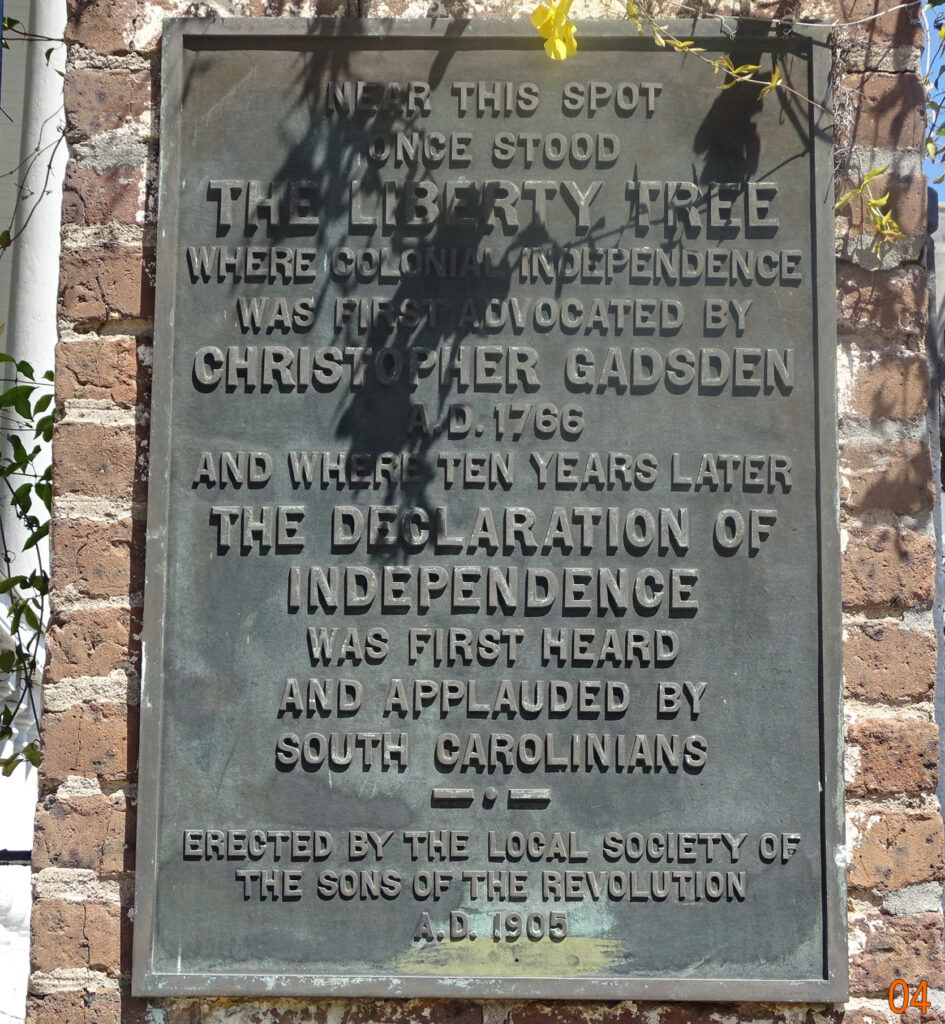
Long before Charleston grew into the thriving coastal city it is today, the land now known as Mazyckborough was called Mazyck’s Pasture. This area holds a powerful place in early American history. Beneath its shade once stood the famous Liberty Oak, often referred to as the “Liberty Tree.” Here, members of the Sons of Liberty met repeatedly in the years leading up to the Revolutionary War.
These early patriots gathered under the Liberty Tree to organize their resistance to British policies, voice grievances, and shape the foundation of the independence movement. As a result, Mazyckborough played a symbolic role in the birthplace of American freedom.
The Planning of Mazyckborough
The neighborhood received its formal layout in 1786, when surveyor Joseph Purcell mapped the development for Andrew Mazyck. The design reflected the urban planning principles of the era, with a thoughtful layout of streets, squares, and home sites. Although Mazyckborough evolved over time, its origins remain visible in the structure of the neighborhood today.
The Development of Wraggborough
Adjacent to Mazyckborough lies Wraggborough, part of the large land holdings once owned by John Wragg, a prominent landowner in colonial Charleston. Wragg named several streets in the neighborhood after members of his family, and many of these names still appear on modern maps.
Two important green spaces—Wragg Mall and Wragg Square—were eventually dedicated to the public by Wragg’s heirs. These open spaces create a refreshing balance of nature and history, contributing to the serene character of the neighborhood. Today, these squares offer places for reflection and remnants of Charleston’s historic urban design.
A Neighborhood Shaped by the Elite of Early Charleston
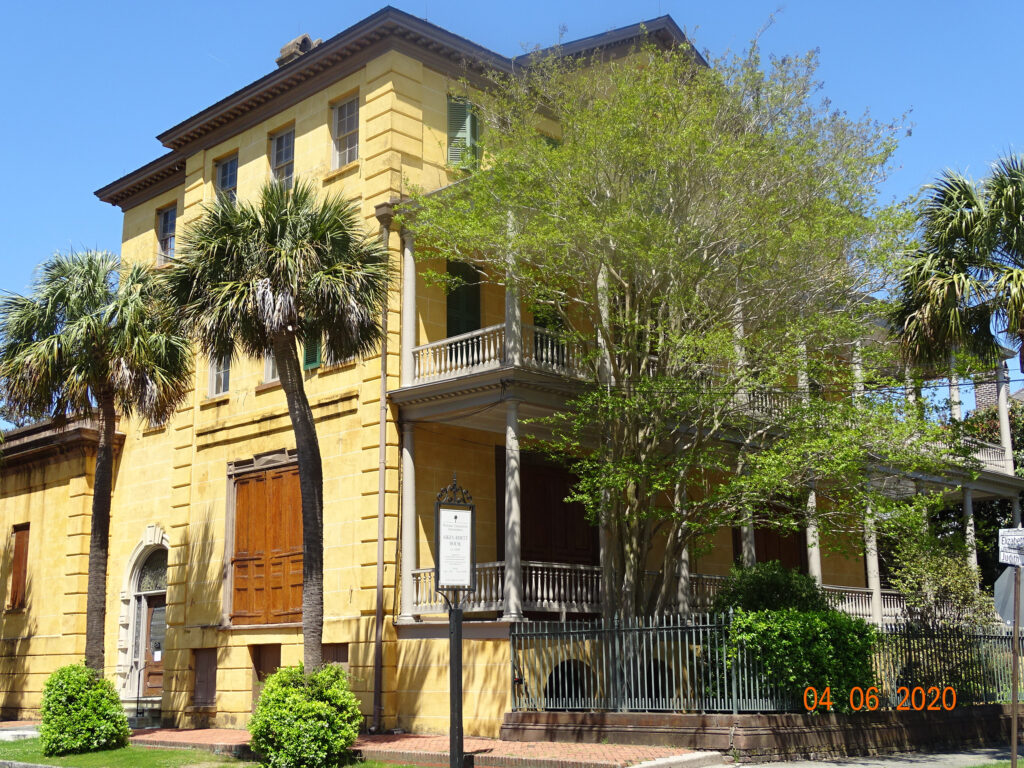
During the early 19th century, many influential families chose to build their homes in Wraggborough and Mazyckborough. Wealthy rice planters, successful merchants, and leading Charleston citizens constructed impressive homes that reflected their status and aspirations.
Prominent residents included:
- The Vanderhorst family
- The Toomer family
- Merchant William Henry Houston
- Merchant Robert Martin
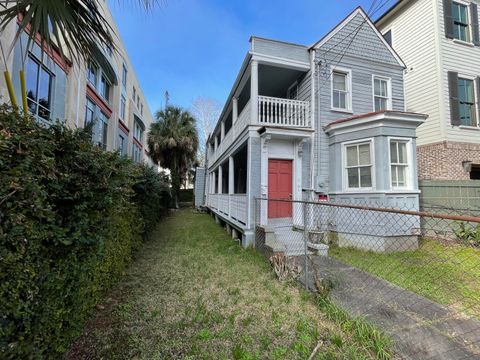
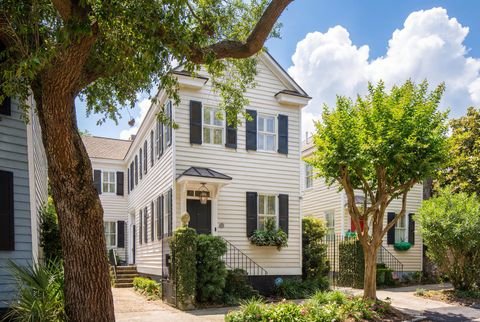
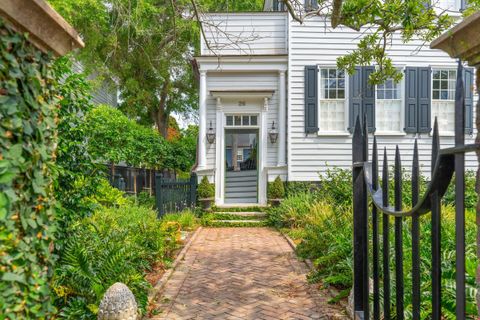
Their homes often showcased architecture from the antebellum era, featuring symmetrical designs, expansive piazzas, grand entryways, and classical details that still attract admiration today.
The Aiken-Rhett House
One of the most famous homes in Wraggborough is the Aiken-Rhett House, located near Wragg Mall. Built in 1820 and expanded several times, the home offers a rare and immersive look into life among Charleston’s elite. Formerly owned by South Carolina Governor William Aiken Jr., the home remains open for public tours and is considered one of the most authentic and atmospheric historic properties in the city.
The preservation of the Aiken-Rhett House helps tell the story of both privilege and hardship, providing a full picture of life in Charleston during the antebellum era.
Wraggborough & Mazyckborough Today

TModern Wraggborough—often used as the overarching name for both communities—presents a vibrant and historically rich section of Downtown Historic Charleston. Restoration projects, ongoing investment, and long-term preservation efforts have protected many of the neighborhood’s most important structures. As a result, the community stands as a “time capsule” of architectural heritage within an increasingly modern city.
The neighborhood’s boundaries include:
- Meeting Street on the west
- Calhoun Street on the south
- East Bay Street on the east
- Mary Street and America Street on the north
Within these boundaries, you’ll find a striking collection of restored historic homes, green spaces, churches, and historic landmarks.
Architectural Character and Streetscape
Residents and visitors often comment that Wraggborough feels like traveling through a living museum. Many homes have preserved original features such as:
- Stuccoed facades
- Brick exteriors
- Double piazzas
- Iron gates
- Handcrafted shutters
- Symmetrical Georgian influences
- Neoclassical designs from the early 1800s
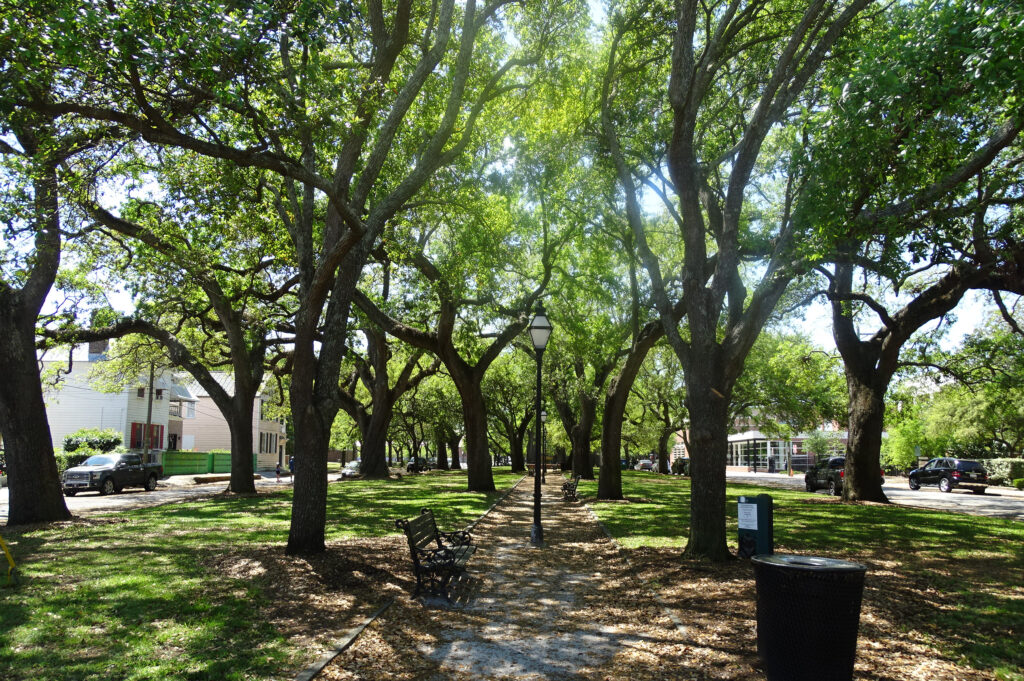
Because many properties have undergone careful restoration, the neighborhood showcases Charleston’s architectural evolution across centuries. Every turn introduces another historic home or a preserved green space that encourages exploration and appreciation.
A Community with Energy and Tradition
Although the neighborhood is deeply rooted in history, Wraggborough also feels lively and current. Its location near restaurants, cultural venues, parks, and major institutions—such as the nearby College of Charleston and Charleston Museum—brings a steady flow of activity and engagement.
At the same time, the area maintains a quiet, refined atmosphere due to its preserved homes, mature trees, and historic layout. This balance makes Wraggborough especially appealing to those seeking both charm and proximity to downtown Charleston’s offerings.
Real Estate in Wraggborough and Mazyckborough
Homebuyers exploring Wraggborough Charleston SC often find an impressive range of historic properties, many of which have been carefully restored. The neighborhood’s real estate offerings include:
- Grand antebellum homes
- Impressive Charleston single houses
- Historic villas
- Updated residences with preserved architectural features
- Unique properties on green spaces like Wragg Mall
- Homes near Wragg Square or the Aiken-Rhett House
Because many of these homes are rare and historically significant, they often attract buyers who value heritage, craftsmanship, and architectural authenticity.
Real estate demand remains steady due to the neighborhood’s location, history, and architectural prestige. Many buyers consider Wraggborough an ideal place to experience downtown living while enjoying the atmosphere of an established historic district.
Living in Wraggborough
Life in Wraggborough blends heritage with convenience. Residents enjoy:
- Close access to museums, theaters, and historic sites
- Proximity to Charleston’s shops and dining
- Green spaces such as Wragg Mall and Wragg Square
- A strong sense of history and community identity
- Opportunities to explore surrounding neighborhoods across the Charleston peninsula
The neighborhood continues to attract individuals who appreciate Charleston’s past and want to be near its most cherished historic areas. Because of its location, residents can travel easily to nearby cultural, educational, and recreational venues.
Is Wraggborough Right for You?
Homebuyers who want an address with historical depth, restored architecture, and proximity to Charleston’s cultural life often consider Wraggborough an excellent match. The neighborhood combines elegance, history, and access to the broader downtown area. With the help of an experienced real estate advisor, you can explore available homes and find a property that fits your lifestyle and goals.
In Wraggborough you have another time-capsule within the Historic Charleston Downtown landscape. It’s easy to have your “head on a swivel” while walking or riding through this impressive part of town.
So as you explore the homes on the market in Wraggborough feel free to check out some of the other Historic neighborhood in Downtown Charleston. And as always we are available to assist you with a private tour of any property.
👉 Go Back To Read About The Other 11 Boroughs in Historic Charleston
Frequently Asked Questions – Wraggborough Charleston SC
Wraggborough is known for its historic homes, Liberty Tree history in Mazyckborough, green spaces like Wragg Mall, and proximity to major Charleston landmarks.
These neighborhoods sit on the Charleston peninsula, bordered by Meeting Street, Calhoun Street, East Bay Street, and Mary/America Streets.
Yes. Many homes date back to the early 1800s, and the area includes historically significant sites such as the Aiken-Rhett House and the Liberty Tree location.
You’ll find antebellum mansions, restored Charleston single houses, historic villas, and updated residences with preserved architectural features.
Buyers appreciate its architectural beauty, cultural history, proximity to downtown Charleston, and the availability of restored historic homes.

Authors
Bill Byrd and Waverly Byrd bring deep real estate expertise to clients throughout the Charleston area, drawing on years of hands-on experience with residential sales, investment property, relocation, and local market strategy. Their guidance is grounded in market knowledge, careful analysis, and a commitment to helping clients make well-informed real estate decisions.
As a father-and-daughter team, they work collaboratively on every transaction, combining experience, perspective, and consistent communication. Clients benefit from a coordinated approach that emphasizes preparation, clarity, and thoughtful execution at each stage of the buying or selling process across the Lowcountry.