
1031 Exchange Replacement Property: Why Smart Investors Evaluate Before They Sell
Thinking about selling an investment property but worried about finding the right 1031 exchange replacement property?
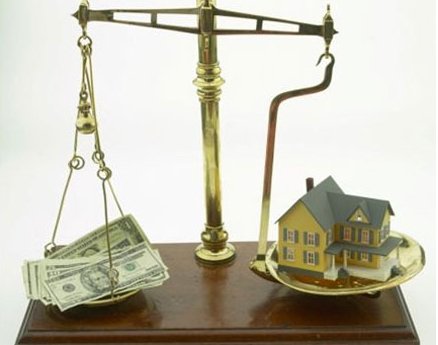
You’re not alone. One of the biggest concerns longtime Charleston real estate investors face is finding a suitable replacement property within the IRS’s 45-day identification period. But finding a property in time is only part of the challenge. The real objective is finding an investment that makes financial sense and supports your long-term goals.
At Byrd Property Group, we believe successful real estate investing begins with careful planning, objective analysis, and understanding what you want your investments to accomplish.
That becomes especially important when you’ve spent decades building a real estate portfolio and are beginning to think about retirement, reducing management responsibilities, or simplifying your life.
After all, you’ve worked hard to build your real estate wealth. The last thing you want is to exchange a successful investment for one that produces less income, carries greater risk, or creates more headaches.
Here’s something every investor should remember: Just because a property qualifies for a 1031 exchange doesn’t mean it qualifies as a good investment.
1031 Exchange Replacement Property Anxiety
Many Charleston investors own rental properties they’ve held for 20, 30, or even 40 years.
Over that time, their properties may have appreciated substantially. They may also have paid down most or all of their mortgages, creating significant equity.
But for many Charlerston real estate investors their circumstances may have changed.
Perhaps they’re tired of managing tenants. Maybe insurance, property taxes, maintenance, and repairs have eroded their returns. Or perhaps they’d simply prefer to spend more time traveling, enjoying retirement, on the golf course, at the beach or being with family.
Selling seems like a reasonable option.
Then come the questions:
- “What am I going to buy to replace it?” Finding a suitable replacement property is one thing. Finding one that makes financial sense is another.
- “How am I going to replace the income I’m receiving now?” Your current property may provide dependable monthly income. Can another investment deliver comparable or better cash flow without adding more responsibilities?
- “Where am I going to find a better return on my investment?” With years of appreciation and accumulated equity, could that money be working harder for you somewhere else?
- “Can I take some cash out of the exchange?” Perhaps you’d like access to some of your equity for retirement, travel, or other expenses. Is there a way to accomplish that without jeopardizing the entire exchange? Cash received may be taxable, but partial exchanges can sometimes make sense.
- “What other investment options am I overlooking?” Do you really have to purchase another rental property and start the landlord cycle all over again? Or are there alternatives that could provide income with fewer management responsibilities?
These are important questions, and the answers aren’t always obvious.
If you sell outright, capital gains taxes, depreciation-related taxes, and potentially other taxes can significantly reduce the proceeds available for reinvestment.
A 1031 exchange may offer a way to defer some or all of those taxes by exchanging qualifying investment real estate for other qualifying investment real estate.
But investors face strict deadlines.
Understanding the Timing Rules
Under IRS Section 1031, investors completing a typical delayed exchange generally must meet two important deadlines:
- 45-Day Identification Period: You must properly identify potential replacement properties in writing within 45 calendar days after transferring your relinquished property.
- 180-Day Exchange Period: You must acquire your replacement property within 180 calendar days after the transfer, or by your applicable federal income tax return due date, including extensions, whichever comes first.
But here’s something many investors don’t realize: You aren’t necessarily limited to identifying just one replacement property.
Understanding the Identification Rules
The IRS provides three important identification rules that offer different levels of flexibility:
- The Three-Property Rule: You can identify up to three replacement properties, regardless of their individual or combined values.
- The 200% Rule: You can identify more than three properties, provided their combined fair market value doesn’t exceed 200% of the value of the property or properties you’re selling.
- The 95% Rule: If you exceed both of the limits above, your identification may still qualify if you acquire at least 95% of the total fair market value of all the properties you identified within the exchange period.
These rules can provide investors with additional options when planning their exchanges, but each comes with specific requirements.
Want to understand how these rules work? Read our guide: How Does a 1031 Exchange Work?
According to the IRS, failing to follow the identification requirements can jeopardize the tax-deferred treatment of your exchange.
And here’s where the pressure begins.
Those deadlines can force investors into making decisions they might never make under normal circumstances.
Imagine selling a Charleston rental property you’ve owned for 25 years, only to discover that the available replacement properties are overpriced, underperforming, or require more management than you’re willing to take on.
Suddenly, you’re choosing between a potentially unfavorable investment and an unexpected tax liability.
Neither is particularly appealing.
That’s why we encourage investors to start evaluating potential replacement properties well before their existing property goes on the market.
The Biggest Mistake: Buying a Replacement Property Just to Complete the Exchange
A 1031 exchange is a tax-deferral strategy. It isn’t a guarantee that your next property will be a better investment.
A 1031 replacement property may satisfy IRS requirements and still produce disappointing financial results.
Consider some common situations:
- You exchange a relatively low-maintenance property for one requiring significant renovations.
- You purchase a property with attractive advertised rents but underestimate insurance, taxes, and ongoing expenses.
- You acquire a property in an unfamiliar market without understanding its rental demand.
- You take on additional debt without adequately considering its effect on cash flow.
- You exchange into another rental that leaves you with the same management responsibilities you wanted to escape.
You may have successfully deferred taxes, but have you actually improved your financial situation?
The purpose of a well-planned exchange should be more than avoiding an immediate tax bill. It should be to position your real estate investments for the future.
For older investors, that future may look very different from the past.
You may no longer be interested in maximizing the number of properties you own. Instead, you may want more predictable income, fewer responsibilities, greater simplicity, and more time to enjoy the wealth you’ve accumulated.
Those priorities deserve consideration before choosing your next investment.
How Our Property Performance Evaluation Helps Investors Make Better Decisions
At Byrd Property Group, we believe investment-property decisions should begin with the numbers.
That’s why we use our Property Performance Evaluation, supported by current market information, to help investors understand both their existing properties and potential replacement opportunities.
Rather than simply searching for properties within a particular price range, we evaluate whether an investment meets your objectives.
1. Evaluate Your Current Property’s Performance
Before deciding what to buy next, it’s important to understand how your existing investment is performing today.
We’ll examine factors such as:
- Current market value and available equity
- Gross rental income potential and operating expenses
- Net operating income
- Cash flow and financing costs
- Capitalization rate
- Return on current equity
- Anticipated maintenance and capital expenditures
- Market conditions and potential future performance
One of the most overlooked measurements among longtime investors is return on current equity.
An investor may have purchased a rental property decades ago for $150,000. Today, that property might be worth $600,000.
If the mortgage is paid off, that’s a substantial amount of equity tied to a single investment.
But what is that equity producing today?
2. Look Beyond What You Originally Paid
Let’s consider a simplified example.
Suppose you own a Charleston investment property worth $600,000, with no mortgage, generating $24,000 annually after operating expenses but before income taxes.
Your unleveraged annual return based on current value is approximately 4%.
Now consider a potential replacement property with a purchase price of $700,000 and projected annual net operating income of $35,000.
That represents a projected capitalization rate of 5%.
| Investment comparison | Existing property | Potential replacement |
|---|---|---|
| Property value | $600,000 | $700,000 |
| Annual net operating income | $24,000 | $35,000 |
| Cap rate | 4.0% | 5.0% |
| Annual management responsibilities | Existing workload | Depends on property |
Hypothetical example for illustration. These figures exclude financing costs, income taxes, acquisition and exchange expenses, and changes in property performance.
The 1031 replacement property’s projected net operating income is higher. However, that alone doesn’t make it the right choice.
You must consider additional capital, financing, risk, management requirements, property condition, and the reliability of projected income.
That’s where a more complete financial analysis becomes valuable.
3. Evaluate Potential 1031 Exchange Replacement Properties Before You Sell
Our objective is to help you identify potential opportunities and establish investment criteria before your 45-day identification period begins.
For prospective replacement properties, we analyze:
Rental income: Are advertised rents realistic and supported by comparable properties?
Operating expenses: What should you expect for taxes, insurance, repairs, management, HOA fees, and other costs?
Capitalization rate: How does the property’s net operating income compare with its acquisition price?
Cash flow: After financing and anticipated expenses, what income might the investment produce?
Property condition: Are major expenses for roofs, HVAC systems, or other components likely?
Market fundamentals: What do local demand, supply, pricing, and comparable properties suggest?
Exit potential: How marketable might the property be when you’re ready to sell again?
We also consider the investor’s personal goals.
A property that makes sense for a 40-year-old investor seeking long-term appreciation may not be the right investment for someone planning to reduce responsibilities during retirement.
The best 1031 replacement property isn’t necessarily the one with the highest projected return. It’s the one that offers an appropriate balance of financial performance, risk, and lifestyle considerations.
Evaluate The Market Data Before Buying Your 1031 Exchange Replacement Property
Charleston real estate remains an important market for investors, but it would be a mistake to assume every property or neighborhood offers the same opportunities.
Downtown Charleston, West Ashley, James Island, Johns Island, Mount Pleasant, and the surrounding Sea Islands have different price points, ownership costs, rental markets, and investment characteristics.
A property’s location alone doesn’t establish that it’s a good investment.
Current Charleston Real Estate Market Conditions
According to the Charleston Trident Association of REALTORS® October 2026 market report:
- The region’s median residential sales price was $445,239, up 4.7% from October 2025.
- There were 5,582 homes available for sale, an increase of 1.1% year over year.
- The market had approximately 3.6 months of housing inventory.
Source: Charleston Trident Association of REALTORS® Market Activity Report, October 2026, current as of November 9, 2026.
These figures provide useful context for residential real estate conditions.
However, they don’t tell us whether a particular rental property will generate an attractive return.
To answer that question, we need property-specific rental data, expenses, comparable transactions, and realistic financial projections.
Why Local Market Knowledge Matters
Consider two potential replacement properties: one on Johns Island and another in West Ashley.
Both may have similar asking prices.
But their operating costs, rental demand, insurance considerations, maintenance requirements, and opportunities for appreciation could be very different.
Even within Johns Island, established neighborhoods and newer developments can have substantially different investment characteristics.
Before making a purchase, investors should understand the market surrounding the specific property, not simply broader Charleston housing trends.
That local analysis becomes especially valuable when you’re considering exchanging into a market or property type you haven’t owned before.
And remember, a 1031 exchange does not require you to purchase another property in Charleston. Qualifying replacement real estate can be located elsewhere in the United States.
The goal is to identify the most suitable investment opportunities based on your objectives.
Aging Out of Being a Landlord? Your Next Investment Should Fit Your Lifestyle
For many longtime investors, investment performance is only part of the story.
There’s another question worth asking:
“Do I really want to spend the next 10 or 15 years managing rental properties?”
Think about the responsibilities that come with owning investment real estate.
There’s tenant turnover, maintenance, insurance, property taxes, accounting, unexpected repairs, and sometimes difficult management decisions.
What once felt manageable may now feel like another full-time job. Check out this great article on the different stages real estate investors go through as they grow older with their investments.
And if you’re considering moving closer to family, traveling more frequently, or downsizing, managing rental property from a distance may be even less appealing.
The good news is that a 1031 exchange doesn’t necessarily require you to purchase another single-family rental.
Potential 1031 Exchange Replacement Property Strategies
Depending on your investment goals and tax circumstances, the possibilities of “like kind” properties worth exploring may include:
Single-family or multifamily rental property: Familiar investment types that may offer income and appreciation potential but require ongoing management.
Professionally managed investment property: You retain ownership while outsourcing many daily responsibilities, although management fees and ownership risks remain.
Commercial or net-leased property: Certain properties may shift some operating responsibilities to tenants, depending on the lease structure. Tenant creditworthiness, vacancies, financing, and lease terms are important considerations.
Multiple replacement properties: Instead of exchanging into one property, an investor may acquire several qualifying properties, subject to exchange rules. This can create diversification opportunities but may also increase complexity.
Delaware Statutory Trusts (DSTs): Certain properly structured DST interests may qualify as replacement real estate under IRS guidance. They can provide access to professionally managed real estate without direct day-to-day landlord responsibilities.
However, DST interests are securities and carry significant risks, including limited liquidity, fees, lack of control, market risk, and potential loss of principal. Suitability and offerings must be evaluated through appropriately licensed investment professionals.
The IRS addressed qualifying DST arrangements in Revenue Ruling 2004-86.
No single alternative is appropriate for everyone.
Our role is to help you clarify your real estate objectives and understand potential property strategies while coordinating with the appropriate tax, legal, and investment professionals.
Five Steps to Take Before Starting Your 1031 Exchange
A little preparation can dramatically improve your decision-making process.
Here’s the approach we encourage investors to consider.
Step 1: Define What You Want Your Real Estate to Accomplish
Before discussing properties, let’s discuss your goals.
Are you seeking higher income? Less management? Diversification? A simpler estate for your heirs? Or an opportunity to reposition an underperforming asset?
Your answers will guide the entire process.
Step 2: Determine What Your Existing Investment Is Worth
Understanding current market value, selling expenses, outstanding debt, and estimated equity is essential.
We also want to compare the property’s current financial performance with its potential alternatives.
You may discover that keeping your existing investment is a reasonable option.
Step 3: Meet with Your Tax Advisor and Qualified Intermediary
A 1031 exchange requires proper planning and execution.
Your CPA or tax advisor can help determine potential tax consequences and whether an exchange supports your overall financial objectives.
A qualified intermediary should be involved before closing the relinquished-property sale. In a typical delayed exchange, the intermediary facilitates the exchange and holds the proceeds under the required arrangements.
To pursue full tax deferral, investors generally seek replacement real estate of equal or greater value and reinvest all net exchange equity, while properly addressing debt and other exchange requirements.
Receiving cash or other nonqualifying value may create taxable gain.
Step 4: Research 1031 Exchange Replacement Property Opportunities Before Listing
We can begin examining potential replacement properties, market conditions, rental income, operating expenses, and investment characteristics before your existing property sells.
Of course, properties available today may not still be available when your exchange closes.
That’s why we focus on developing clear investment criteria, identifying potential opportunities, and preparing alternative strategies rather than relying on one property.
Early research can reduce uncertainty, but it cannot extend IRS deadlines or guarantee that a suitable replacement will be available.
Step 5: Make the Decision Based on the Numbers and Your Goals
Finally, evaluate whether exchanging actually improves your position.
Consider the projected financial benefits, taxes deferred, management responsibilities, investment risks, liquidity needs, and potential future costs.
The right decision might be to exchange.
It might be to retain your existing property.
Or it might be to sell and pay the applicable taxes because access to the proceeds and freedom from management responsibilities are more important to you.
A good real estate plan should help you make the right decision for your circumstances—not simply complete another transaction.
Why Work with Bill Byrd and Waverly Byrd on Your 1031 Exchange Strategy?
Real estate investing has always involved more than finding properties to buy and sell.
It’s about understanding value, recognizing opportunities, managing risk, and making decisions that support your long-term objectives.
Bill Byrd, a Charleston real estate broker with approximately 40 years of real estate experience and participated in more than 1,000 transactions from Virginia to South Carolina throughout his career.
As a Certified Keller Williams Real Estate Planner Professional and real estate educator, Bill Byrd has focused extensively on helping investors understand 1031 exchanges, investment-property performance, and strategies for transitioning their real estate holdings.
At Byrd Property Group, Bill Byrd and his daughter Waverly Byrd bring together real estate brokerage experience, local Charleston market knowledge, and an analytical approach to investment-property decisions.
Our Property Performance Evaluation and Asset Performance Test is designed to help you see beyond the sales price and understand how a property fits into your larger financial picture.
However these are important decisions often require collaboration with your accountant, attorney, qualified intermediary, financial advisor, or other appropriate specialists.
Consequently, the process should begin long before you actually put your home on the market. A 1031 Exchange is not something you should make a quick decision to do! A successful exchange requires strategic planning.
We believe it should begin by answering the question:
“What do you want your real estate investments to accomplish for you in the nest 10 to 15 years?”
That conversation can make all the difference.
1031 Exchange Replacement Property – Frequently Ask Questions
Yes. In fact, researching potential replacement properties before selling is the strategy that we suggest for all of our 1031 Exchange clients. You can evaluate markets, compare property performance, and establish investment criteria well in advance. However, formal identification and acquisition deadlines still apply once your relinquished property transfers.
If you fail to properly identify replacement property within the required period, your delayed exchange generally cannot qualify for tax deferral. The sale may become taxable. That’s why developing a replacement-property strategy before selling is so important.
No. Qualifying investment or business real estate can include different types of real property, such as rental homes, multifamily buildings, commercial property, and certain land investments. However, the replacement property must meet applicable Section 1031 requirements.
Yes. U.S. investment real estate can generally be exchanged for qualifying investment real estate elsewhere in the United States. You aren’t limited to Charleston or South Carolina. Additional state tax considerations may apply.
Generally, not when the property is acquired solely for personal use. Replacement real estate must be held for investment or business use. Certain vacation-property arrangements may qualify under specific conditions, but personal-use limitations and investment intent matter. Discuss the circumstances with your tax advisor.
A Property Performance Evaluation examines an investment property’s financial and market characteristics. It may include current value, rental income, expenses, net operating income, cash flow, capitalization rate, return on equity, and projected capital expenditures. At Byrd Property Group, we use this analysis to help investors compare existing properties with potential alternatives.
Potentially. Some investors exchange into professionally managed properties or qualifying investment structures that reduce day-to-day responsibilities. However, every alternative involves different risks, costs, and obligations. A 1031 exchange itself doesn’t guarantee passive income or eliminate investment risk.
Ideally, well before listing your investment property. Early conversations provide time to evaluate your existing property, understand current market conditions, establish replacement-property criteria, and coordinate with tax and exchange professionals. The Best 1031 Exchange Starts with a Plan, Not a Sale or a Listing.
Conclusion
If you’ve owned Charleston investment real estate for years, you’ve probably accumulated more than equity. You’ve accumulated experience, financial knowledge, and a clear understanding of what it takes to own and manage property. Now may be the time to put that experience to work in a different way.
Whether your goal is to improve income, reduce management responsibilities, simplify your estate, or prepare for retirement, your next investment decision deserves careful consideration.
Don’t let the pressure of a 45-day deadline determine where you invest years of accumulated real estate wealth.
At Byrd Property Group, we encourage investors to sit down with us early in the process. We’ll discuss your current property, review its performance, explore potential alternatives, and help you develop a real estate strategy aligned with your goals.
Considering a 1031 exchange? Let’s start with a Property Performance Evaluation and an Asset performance test, then a conversation about what comes next.
Contact Bill Byrd at Byrd Property Group | Keller Williams Realty Charleston. 843-790-7000 or fill out the form below.
Disclaimer: This article is intended for educational purposes only and does not constitute tax, legal, financial, or investment advice. Section 1031 exchanges involve specific requirements, deadlines, and risks. Consult a qualified tax professional, attorney, and qualified intermediary before initiating an exchange. Securities-related investments, including DST interests, should be evaluated only with appropriately licensed professionals. Investment returns and property appreciation are not guaranteed.

About the Authors
Bill Byrd and Waverly Byrd serve clients throughout the Charleston area as Real Estate Wealth Advisors, helping individuals and families navigate complex property decisions connected to life transitions and long-term planning. Their work often involves, tax-advantaged 1031 exchanges, probate and estate property sales, divorce-related real estate solutions, trusts, and senior relocation, situations where informed coordination and careful timing can significantly impact outcomes.
With decades of experience, Bill and Waverly emphasize education, clarity, and collaboration. They regularly work alongside financial planners, tax professionals, and attorneys to help clients understand their options and align real estate decisions with broader financial and estate planning goals. As a father-and-daughter team, they guide clients through sensitive transactions with discretion, organization, and a steady, well-informed approach across the Lowcountry.